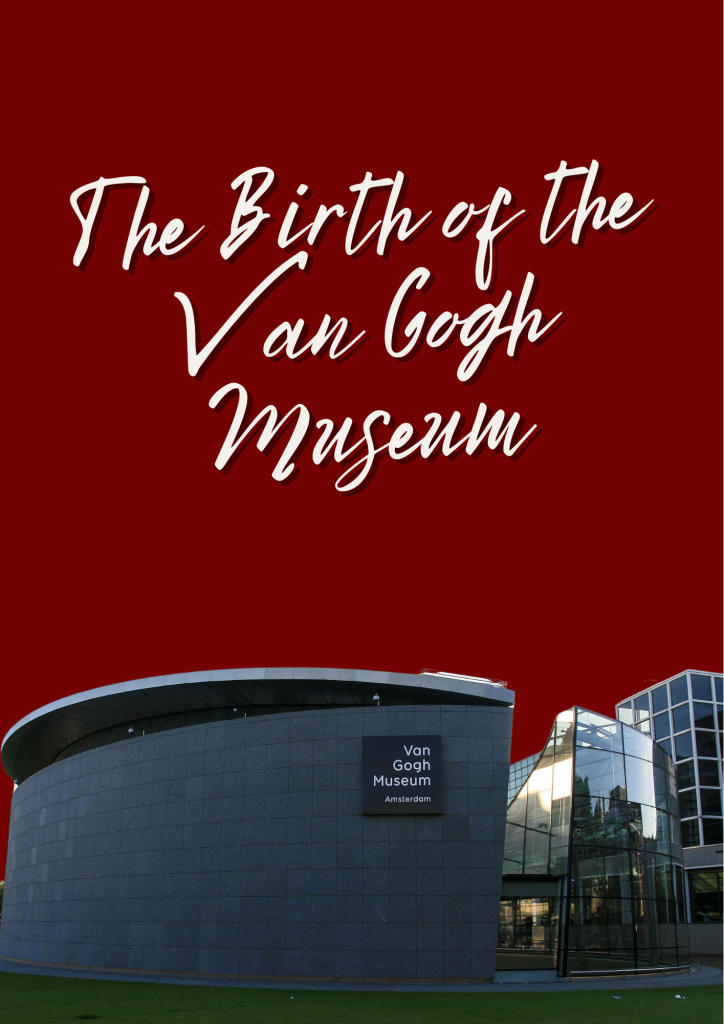
The Birth of the Van Gogh Museum
From a private family collection to a global landmark: How Vincent’s legacy was preserved for the world.
By Shams
Published: 12 October 2025
The Birth of the Van Gogh Museum
From a private family collection to a global landmark: How Vincent’s legacy was preserved for the world.
By Shams
Published: 12 October 2025
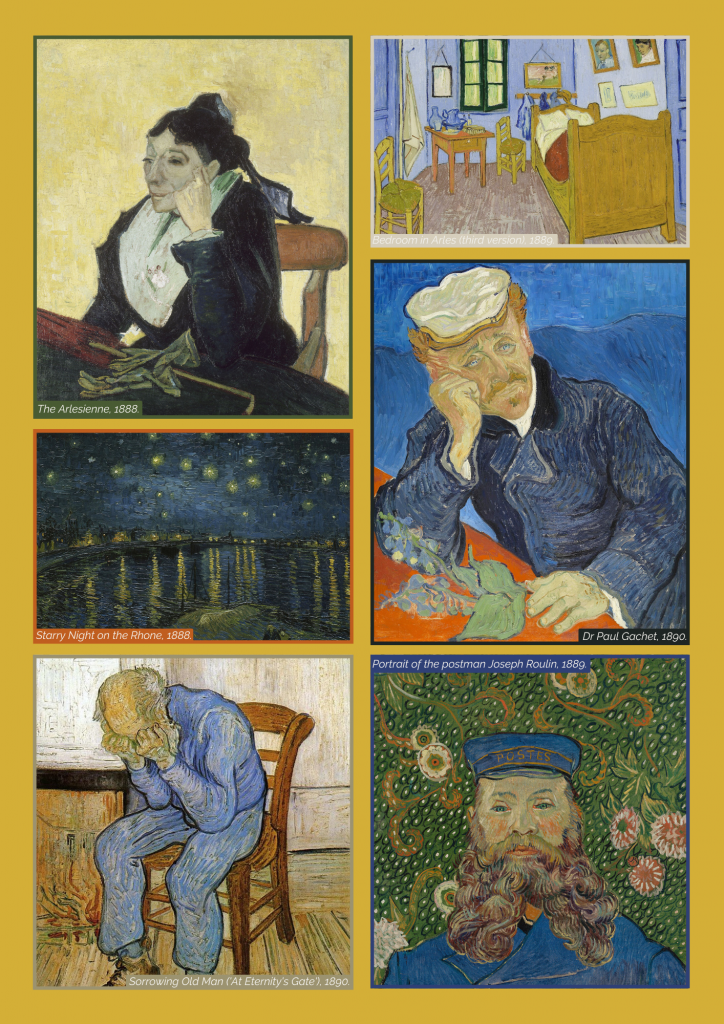
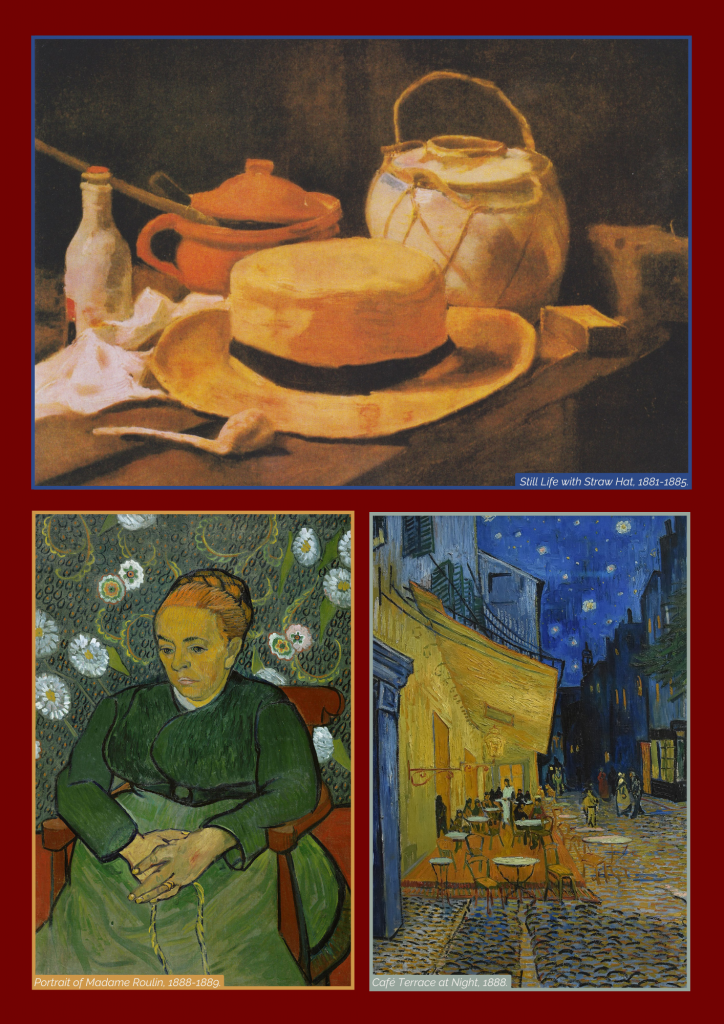
When we think of Vincent van Gogh today, images of swirling skies, sunflowers, and emotional self-portraits come to mind. Yet during his lifetime, Van Gogh was largely unrecognised. Decades after his death, however, his legacy was rescued and cherished – ultimately leading to the founding of one of the world’s most visited art museums: the Van Gogh Museum in Amsterdam. But how did this institution come to life, and whose vision brought it into being?
Preserving a Genius: Why the Museum Was Needed
The Van Gogh Museum was created with a powerful purpose: to preserve the life and works of Vincent van Gogh and make them accessible to the public. By the mid-20th century, Van Gogh’s art had become globally celebrated, and his personal letters revealed the mind of a complex, deeply sensitive individual. There was an urgent need to protect this growing legacy – not only to share it with the world but also to provide scholars and historians with a central place for research and study.
At the heart of this mission was the desire to ensure that Van Gogh’s works remained together as a collection, rather than being scattered across private hands and galleries. A museum would serve as both a sanctuary and a platform.
A Long Road to Realization: When and How It Was Created
The idea of a dedicated Van Gogh museum began to take shape in the 1950s and 1960s, becoming a reality when the Van Gogh Museum officially opened its doors on 2 June 1973.
The process had begun decades earlier. After Vincent’s death in 1890, his younger brother Theo van Gogh, who had supported him emotionally and financially, died only six months later. Theo’s widow, Johanna van Gogh-Bonger, inherited Vincent’s art and letters. She tirelessly promoted his work at a time when the world barely knew his name.
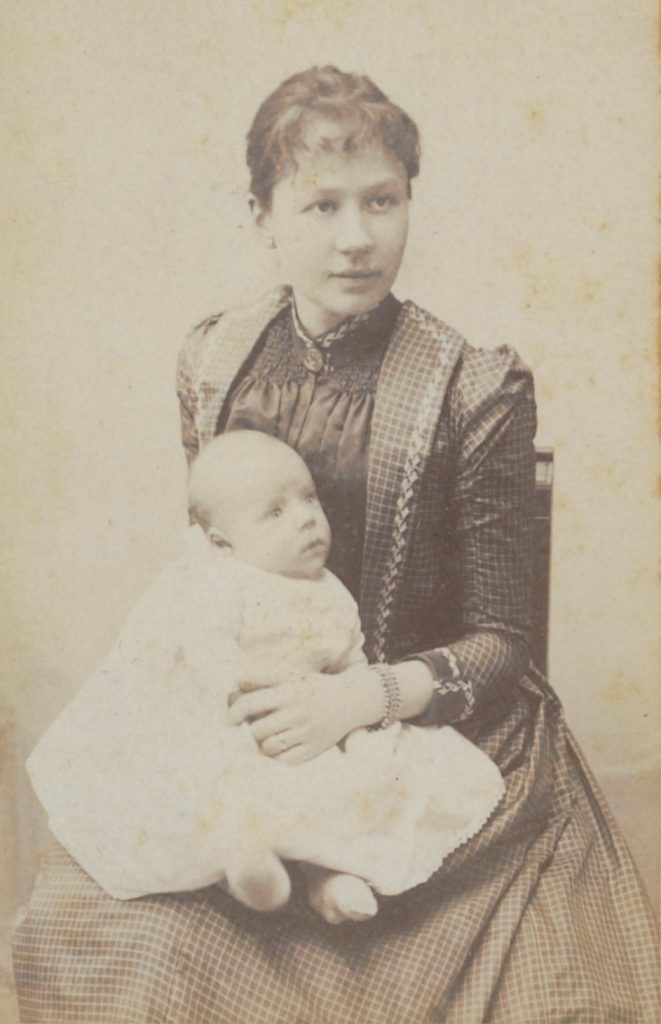
Johanna van Gogh-Bonger with her son Vincent Willem at the studio of Raoul Saisset, 4 Rue Frochot, Paris, 1890.
Later, her son and Vincent’s namesake, Vincent Willem van Gogh, inherited the family’s collection. A visionary in his own right, he recognised the importance of preserving the collection as a whole. Rather than selling off the masterpieces, he took the monumental step of working with the Dutch government to establish a foundation and a public museum.
In 1962, he transferred the collection to the newly formed Vincent van Gogh Foundation, ensuring its protection for future generations. The Dutch state agreed to fund and construct a dedicated museum.
The Architecture of Tribute
The building that houses the museum was designed by renowned Dutch architect Gerrit Rietveld, a leading figure of the De Stijl movement. Tragically, Rietveld died in 1964 before seeing the project completed, but his team followed his blueprints to create the elegant, modernist structure.
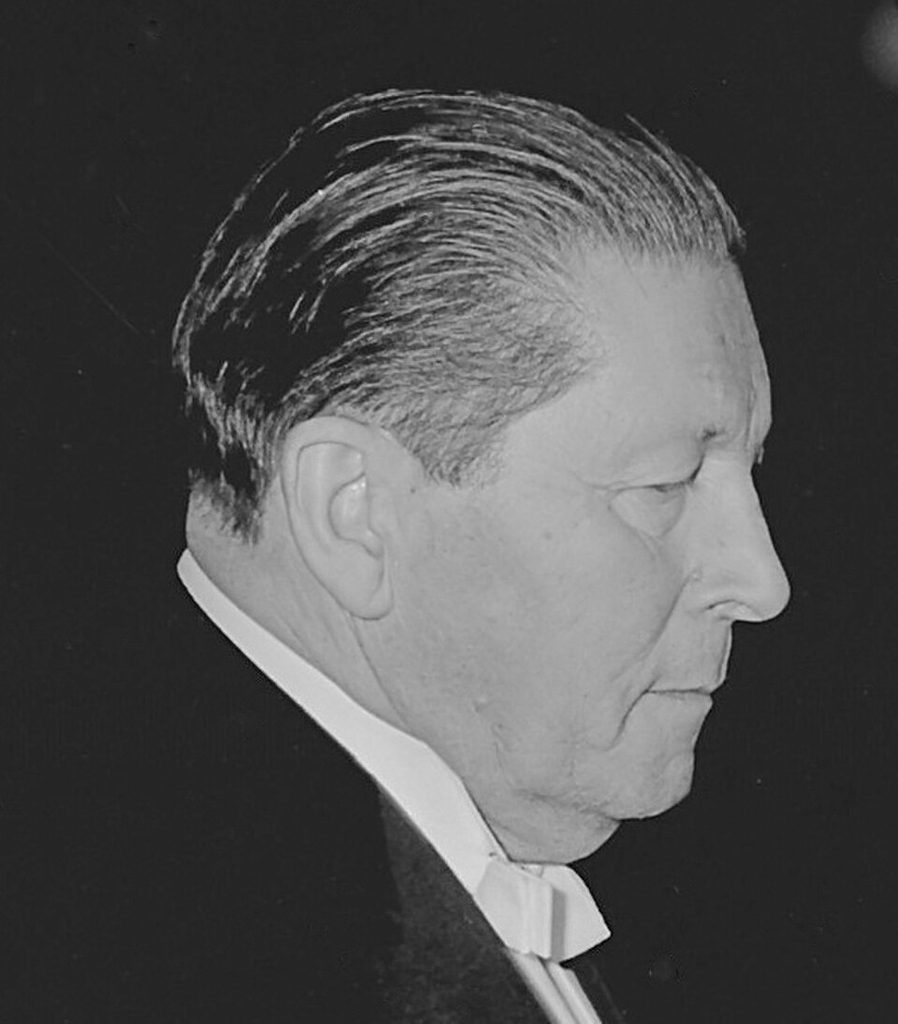
Portrait of Gerrit Rietveld, 1964.
Later, in 1999, a new exhibition wing was added, designed by celebrated Japanese architect Kisho Kurokawa. This extension allowed for large-scale temporary exhibitions, enriching the museum’s role as a dynamic cultural institution.
The Visionary Behind the Museum
Though the museum is dedicated to Vincent van Gogh, the true architect of its creation was his nephew, Vincent Willem van Gogh. Without his foresight, dedication, and collaboration with the Dutch government, the museum might never have existed. His efforts ensured that his uncle’s artistic genius would not only be preserved but honoured on a global stage.
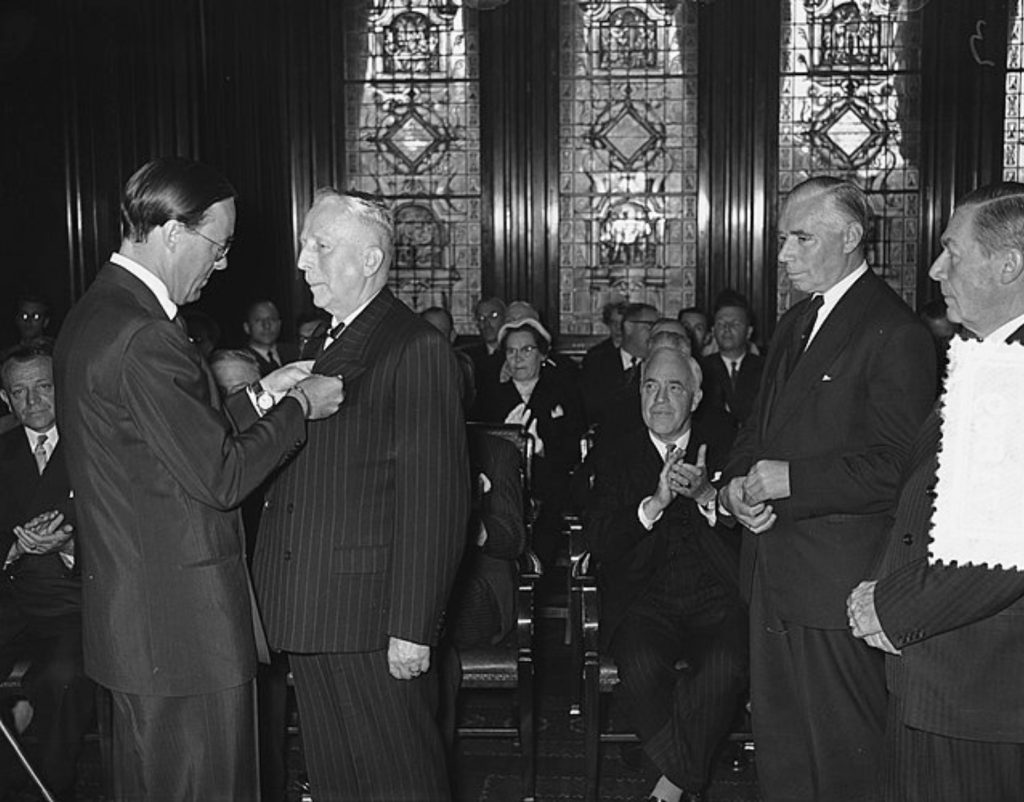
Prince Bernhard presenting the Silver Carnation award to Ir. V. W. van Gogh.
Today: A Living Tribute
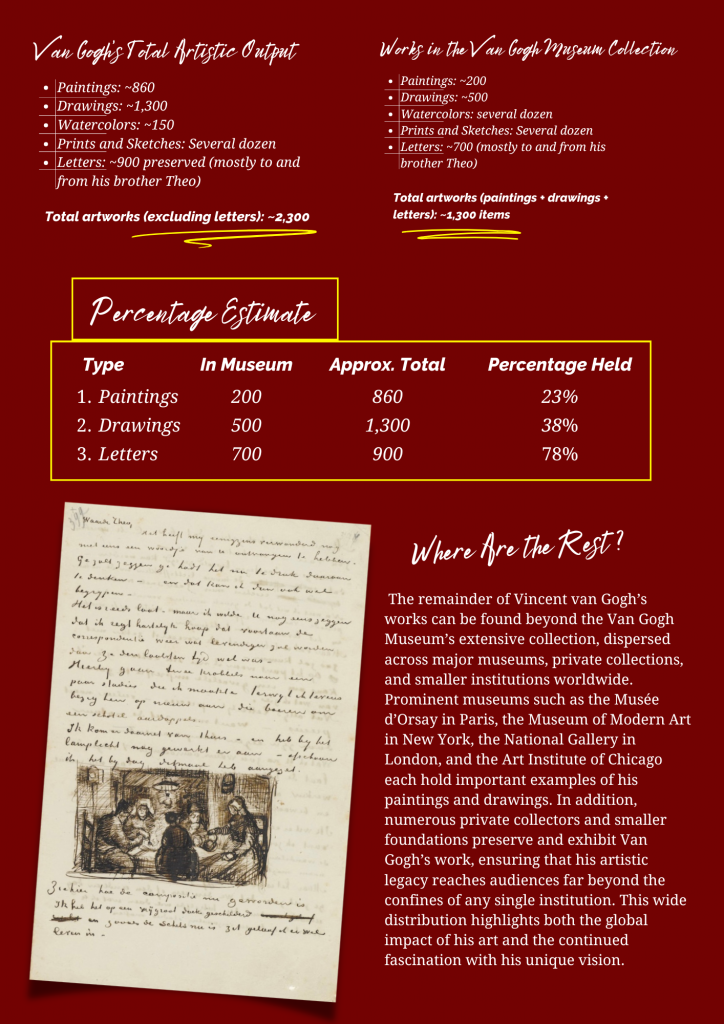
Today, the Van Gogh Museum houses the largest collection of Van Gogh’s work in the world – over 200 paintings, 500 drawings, and 700 letters. It welcomes over two million visitors annually, each drawn by the emotional intensity and raw beauty of Van Gogh’s creations.
More than just an art museum, it serves as a monument to resilience, creativity, and the enduring power of family. The story of its creation is not only a tale of architecture and curation, but of love, vision, and a legacy that outlived its own time.
From obscurity to international acclaim, the Van Gogh Museum stands as a powerful symbol of how art – and the determination to protect it – can change the world.