The Life of Vincent Van Gogh
The story of a man who went unappreciated during his lifetime but became a global symbol of art.
By Yusif Babayev
Published: 12 October 2025
The Life of Vincent Van Gogh
The story of a man who went unappreciated during his lifetime but became a global symbol of art.
By Yusif Babayev
Published: 12 October 2025
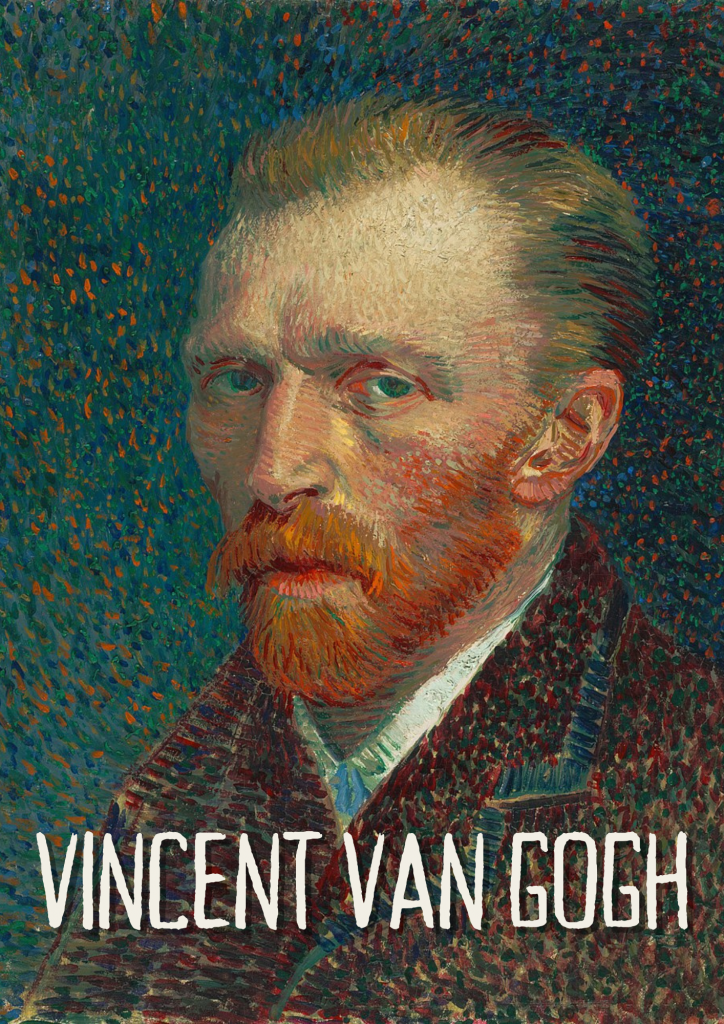
There are some people whose names are known all around the world. Even those who have no connection to their field of expertise have heard of them. Just as people who do not know football still recognise Pelé or Ronaldinho, and regardless of musical taste people know the names of Bach and Mozart, there is one name in the world of art that everyone knows – whether or not they are familiar with his paintings. That name, of course, is Vincent van Gogh.
For the very first issue of Alla Prima, we have dedicated the ‘Artist’s Corner’ to Vincent van Gogh. Let us get to know the creative world of this artist, one of the pioneers of Post-Impressionism, who managed to sell only one painting during his lifetime.
On 30 March 1852, a housewife named Anna Cornelia Carbentus gave birth to a baby boy. They named him Vincent Willem van Gogh. But this Vincent was not the world-famous Vincent Willem van Gogh known as a pioneer of the Post-Impressionism movement. This Vincent had been born exactly one year before the famous painter. According to some sources, he was stillborn; according to others, he died shortly after birth. This event was a heavy blow to the family, and their deeply religious worldview caused them to experience the loss even more profoundly.
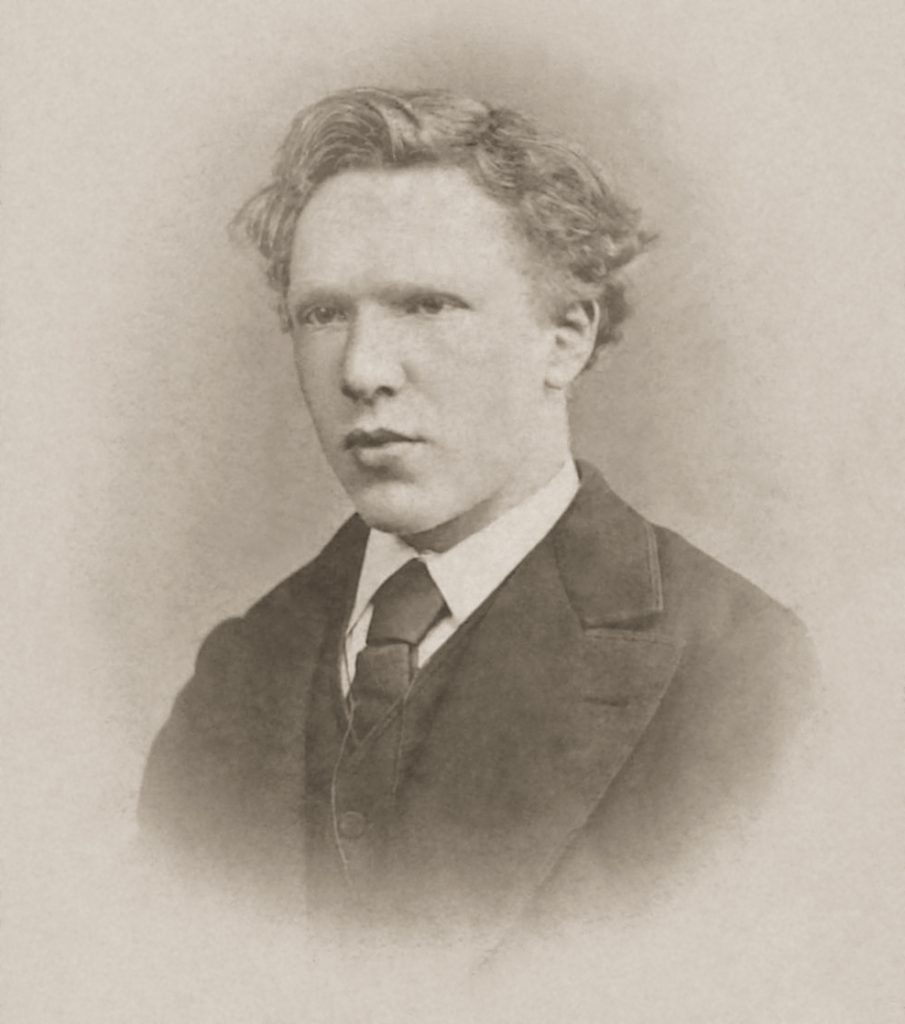
Vincent van Gogh at the age of 19.
Never forgetting this loss, Anna Cornelia gave birth to another baby boy exactly one year later, on 30 March 1853. She named this child after the son she had lost – Vincent Willem van Gogh. Thus, the second Vincent entered the world with a shadow of melancholy and darkness already upon him. Perhaps the psychological troubles he would later face began in childhood, when every year on his birthday he saw a gravestone bearing his own name.
Vincent’s childhood was quiet and solitary. He was an introverted child who preferred nature, animals, and reading books over playing with other children. His father, Theodorus van Gogh, was the Protestant pastor of their village. Growing up in a religious environment, Vincent developed an early interest in God and spirituality.
His first interest in art came from his mother. Anna Cornelia was an amateur painter herself and encouraged young Vincent to play with paper and pencil from an early age.
Van Gogh stayed with his family until he was eleven years old, after which he was sent to various schools for his education. He first studied in Zevenbergen and then in the city of Tilburg. It was in Tilburg that he first began studying drawing seriously. But his time in school did not last long – he left his studies at the age of 15 due to the family’s financial difficulties and entered working life.
At 16, with encouragement from his family, he began working at an art dealership in The Hague called Goupil & Cie. This gallery was one of the most well-known art agencies in Europe, and it was there that Vincent became exposed to many types of paintings. His years there deepened his love for art, but also distanced him from people who treated art purely as a business. In 1876, he left the job and tried to return to a life of religious devotion.
During this period, Vincent aspired to become a missionary and went to help poor families in Belgium’s mining region. But even here he clashed with church authorities. Vincent lived in poverty himself, wearing shoes that were falling apart, and this drew criticism from the clergy. Eventually, he was dismissed from missionary work.
Despite these setbacks, Vincent had now come to recognise the creative fire within him. At the age of 27 – considered late by some – he seriously committed himself to painting. In the early years, he drew with charcoal and pencil, depicting rural life, poor people, labourers, and everyday scenes. His 1885 painting The Potato Eaters is considered his first major work to survive to this day.
However, Vincent’s mental state never truly stabilised. Since childhood, he had experienced depression, loneliness, and inner turmoil. Nevertheless, in 1886, he moved to Paris and met several Impressionist painters, including Paul Gauguin, Henri de Toulouse-Lautrec, and Camille Pissarro. Their use of colour and light transformed Vincent’s approach to painting.
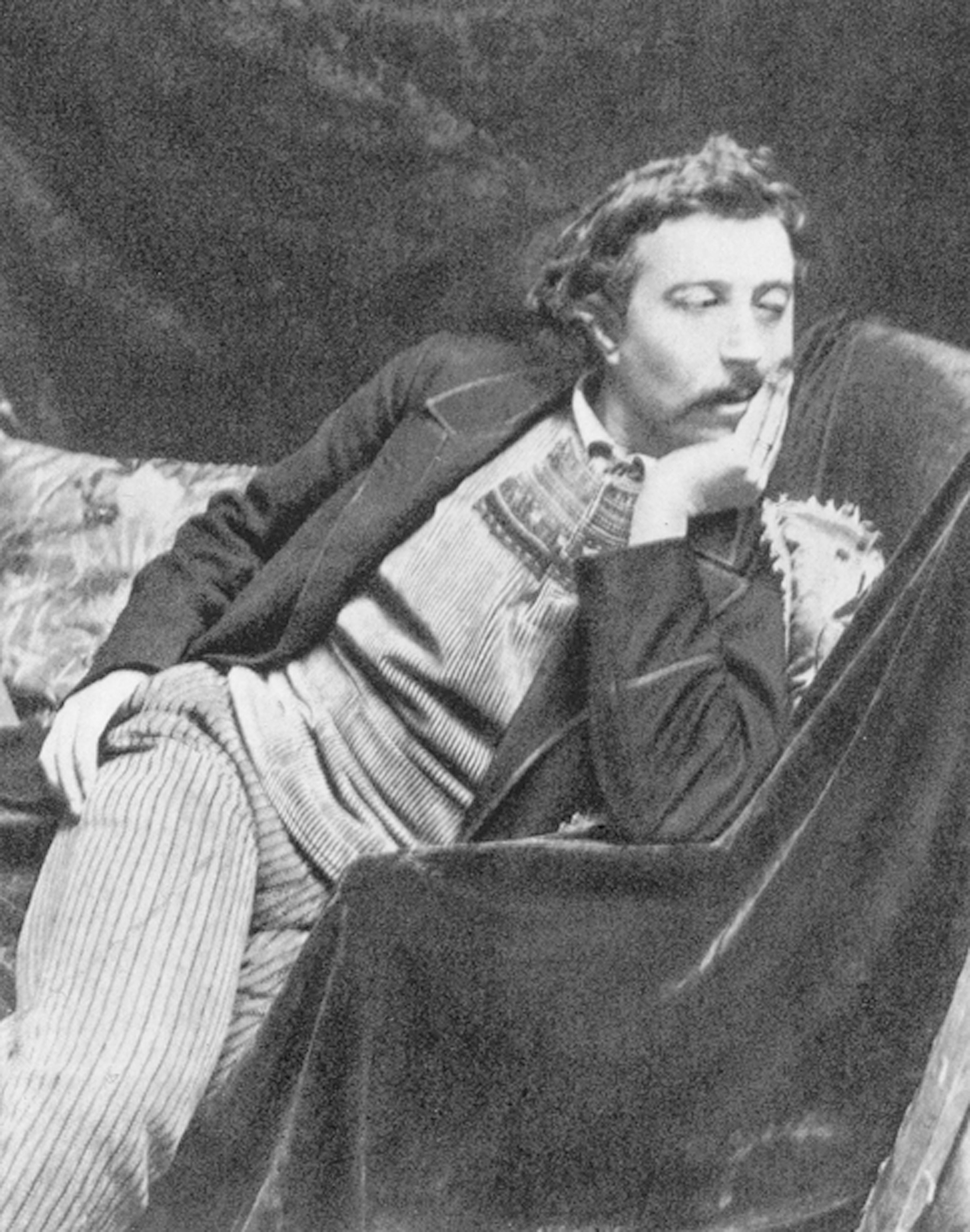
Portrait photograph of the French painter Paul Gauguin, 1891.
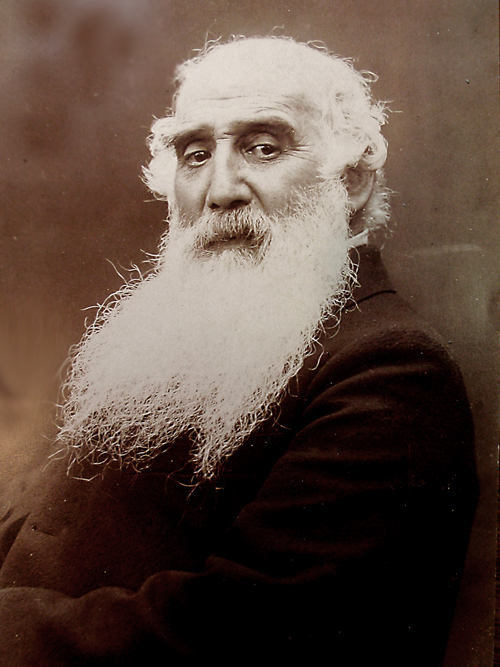
Portrait photograph of the French Impressionist painter Camille Pissarro.
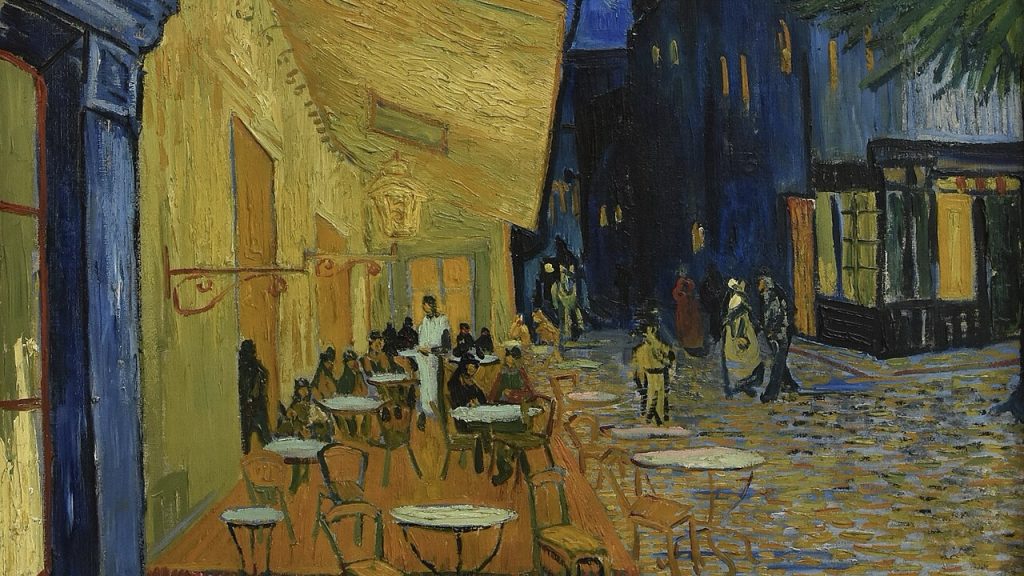
Tired of the fast pace of life in Paris, Vincent moved in 1888 to the town of Arles in southern France. There, he lived and painted in a small house known as the ‘Yellow House’. Shortly afterwards, his friend Gauguin came to live with him. But tensions quickly arose between them. As a result, Vincent’s psychological condition worsened dramatically, and in December 1888, the famous incident occurred – he cut off part of his own left ear.
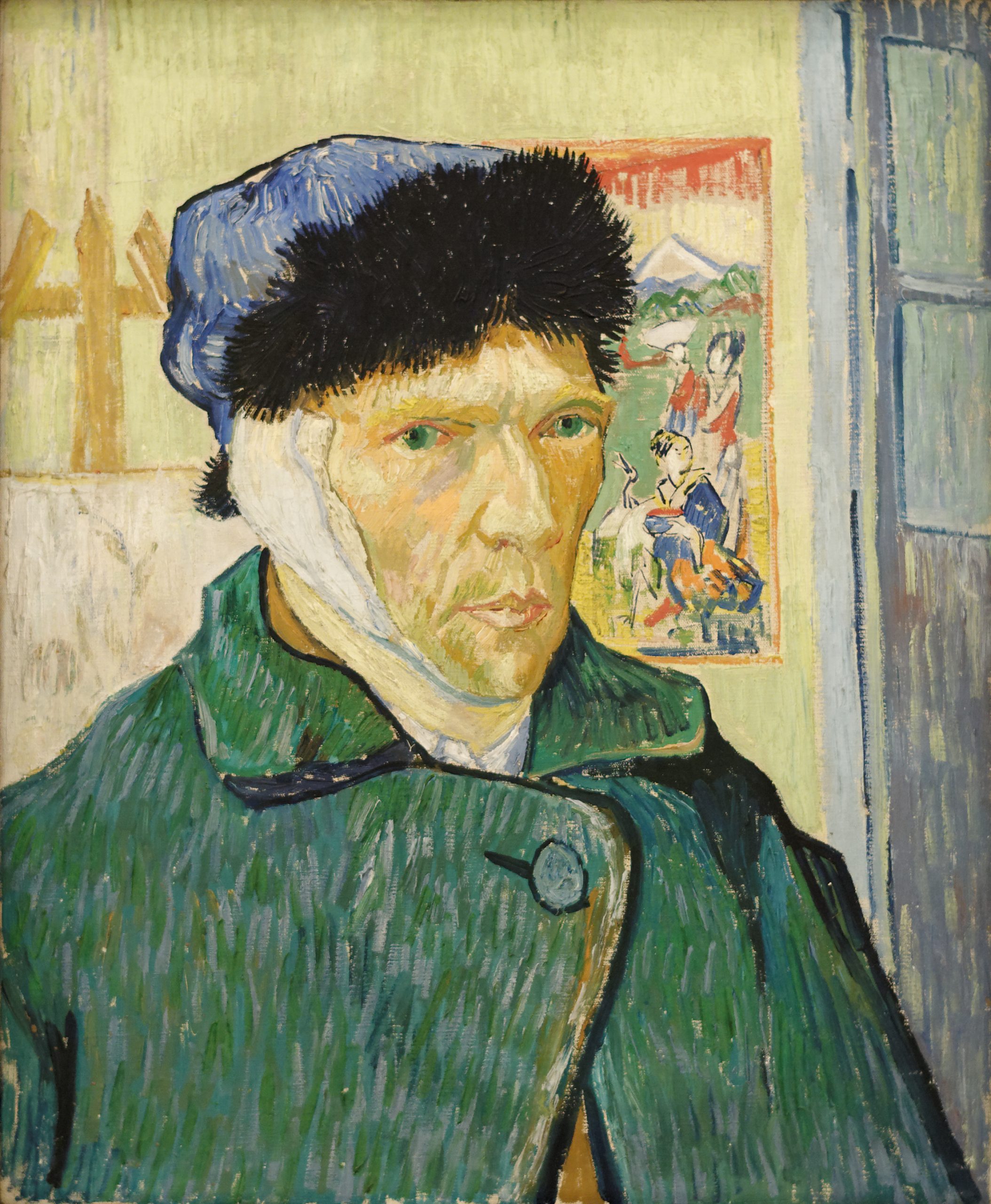
This event would forever link him with madness in the public mind. He suffered multiple breakdowns and was institutionalised several times. In 1889, while staying at the asylum in Saint-Rémy-de-Provence, he created some of his most celebrated masterworks – The Starry Night and Irises were painted during this period.
The person he was closest to in his family was his brother, Theo van Gogh. Theo provided his sole financial and emotional support. Vincent wrote to him frequently, and these letters are today considered the most honest reflection of his inner thoughts and artistic vision. Without Theo, it is likely that Vincent would not have created as many paintings as he did.
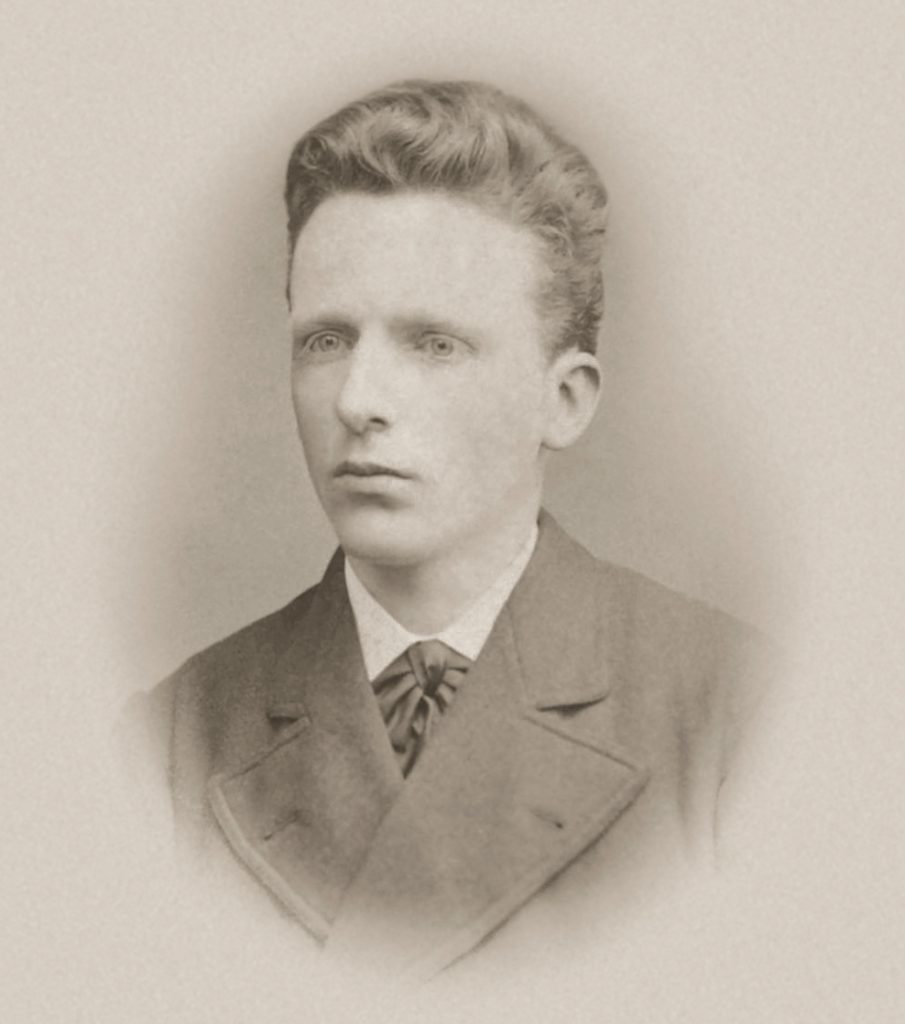
Portrait photograph of Theo van Gogh, May 1878 (restored).
Throughout his life, Vincent van Gogh sold only one painting – The Red Vineyard in 1890. The art world of the time considered his work strange and completely outside market norms. His bold brushwork, emotional colour palette, and expressive style did not align with the aesthetic tastes of the era.
On 27 July 1890, while walking through the fields in Auvers-sur-Oise, France, Vincent van Gogh shot himself in the chest with a revolver. Wounded, he returned to his inn later that evening and went up to his room. Medical help arrived too late. He lived for two more days in critical condition, during which time the only person who stayed by his side was his brother Theo. Vincent died on 29 July 1890, at the age of 37, in the presence of his brother. His last words are said to have been: ‘The sadness will last forever.’
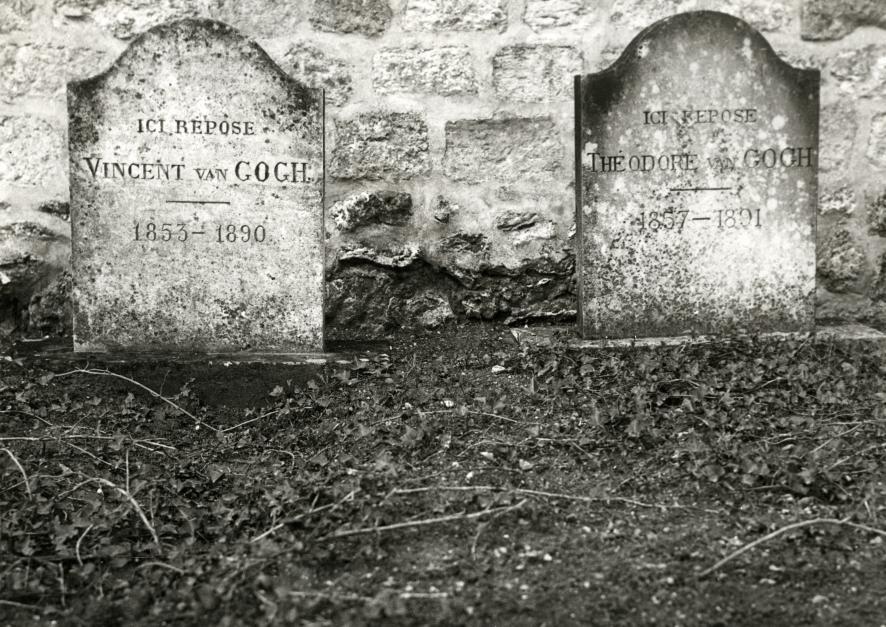
The graves of Vincent van Gogh (1853–1890) and his brother Theo van Gogh (1857–1891), buried side by side in Auvers-sur-Oise, France
After Vincent’s death, his paintings did not immediately attract attention. The overwhelming burden of championing his legacy fell entirely on his family. Theo, devastated by the loss, died just six months later. They are buried side by side in Auvers-sur-Oise, France. Theo’s widow, Johanna van Gogh-Bonger, took it upon herself to preserve and promote Vincent’s paintings and letters. It is thanks to her efforts that Vincent van Gogh’s art reached wider audiences and, over time, he came to be recognised as one of the greatest painters in history.
By the early 20th century, Van Gogh had become a unique phenomenon in the art world. His art profoundly influenced Expressionism and other major currents of modern art. Today, his paintings command millions on the global art market.
Vincent van Gogh – a man who went unappreciated during his lifetime, yet became a symbol of world art after his death. His tragic life remains one of the most powerful examples of how great art can be born from deep inner pain.