The Art of Alla Prima
How the legendary wet-on-wet approach shaped art history from Frans Hals to the Impressionists.
By Yusif Babayev
Published: 12 October 2025
The Art of Alla Prima
How the legendary wet-on-wet approach shaped art history from Frans Hals to the Impressionists.
By Yusif Babayev
Published: 12 October 2025
The alla prima technique began gaining widespread recognition and popularity in the nineteenth century, particularly through the work of Impressionist painters, although its origins trace back to the seventeenth century. While not invented in the modern sense, Titian (Tiziano Vecellio, c. 1488–1576), the great Venetian Renaissance painter, is often credited as one of the earliest major artists to use a proto-alla prima approach – applying oil paint in expressive, wet layers to achieve rich textures and immediacy.
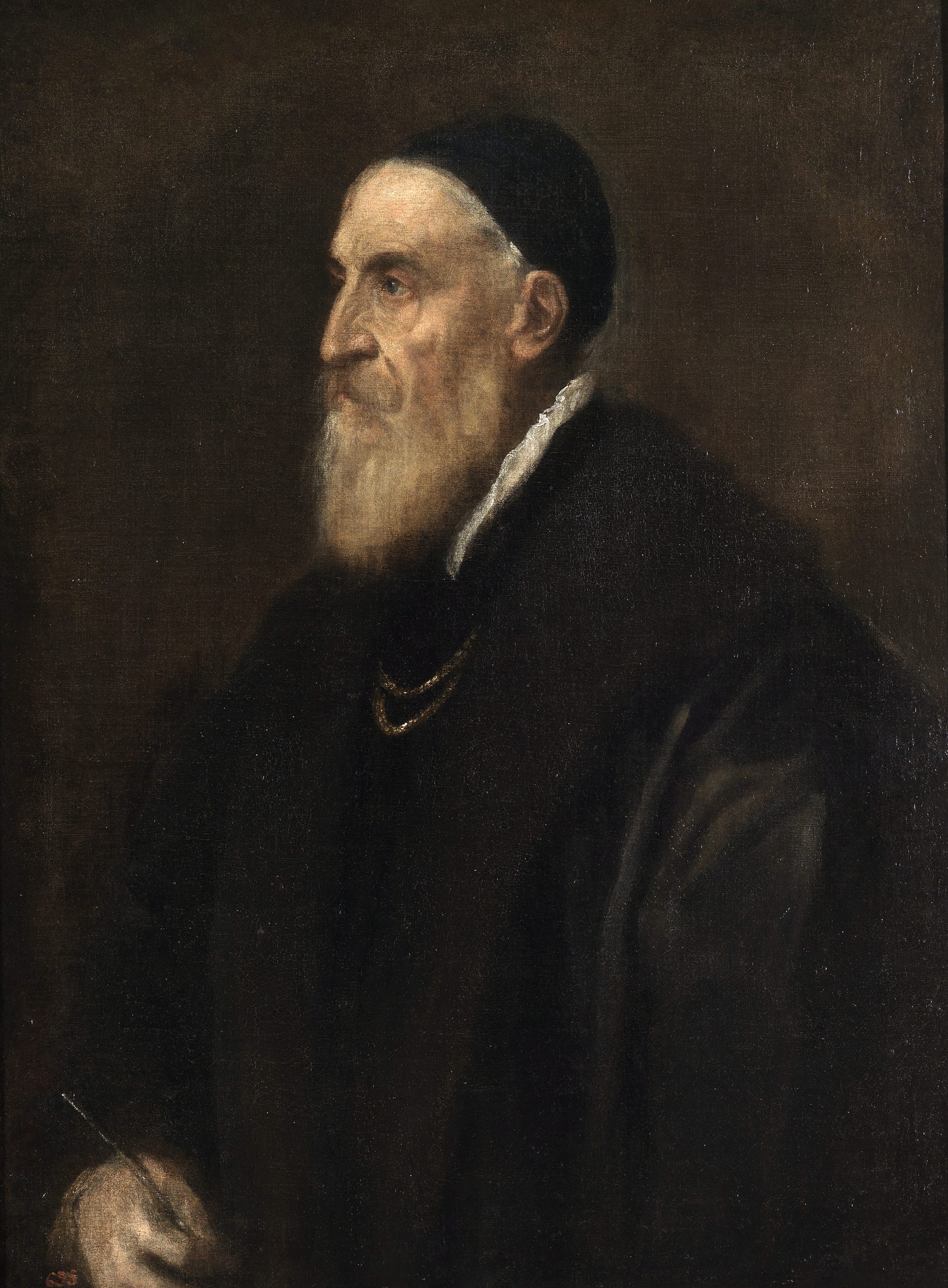
Self-Portrait of the Italian painter Tiziano Vecellio (c. 1490–1576), better known as Titian.
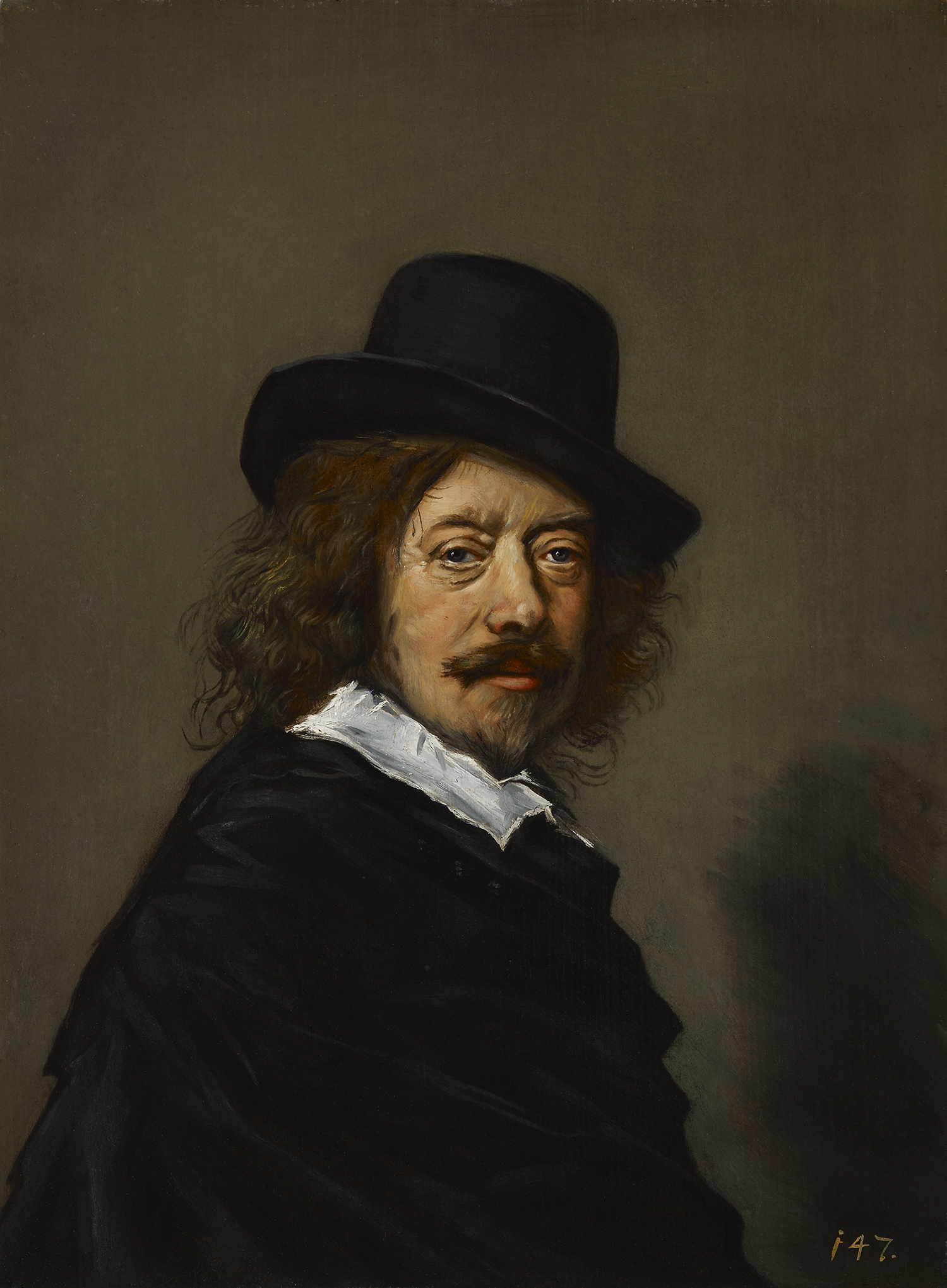
Self-Portrait of Frans Hals.
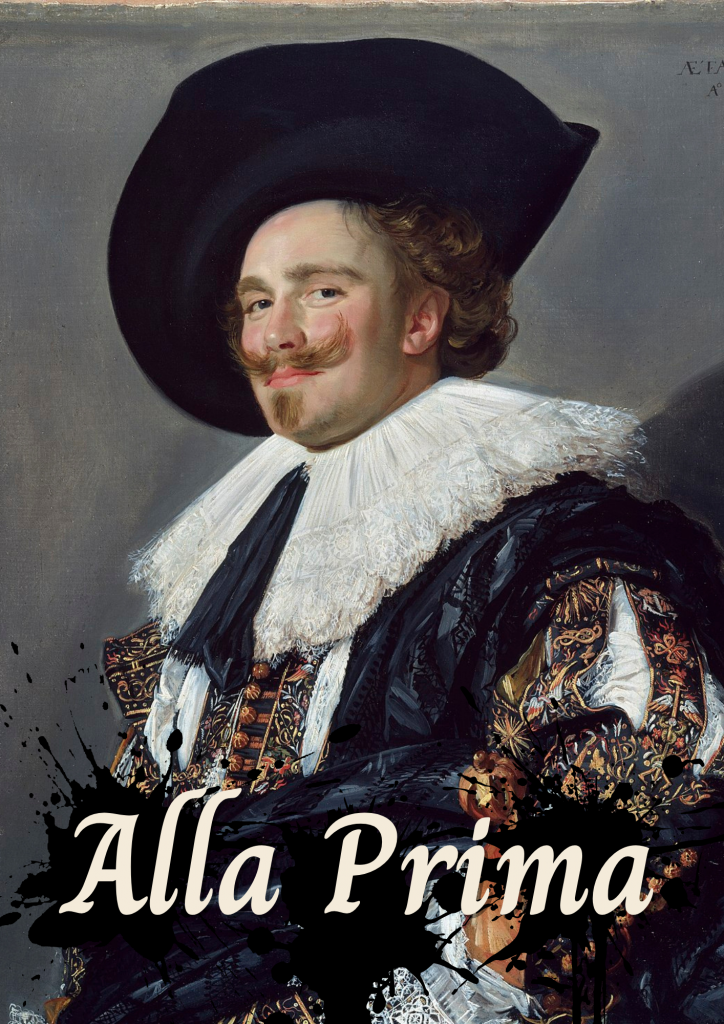
But it was Frans Hals (1582–1666), the Dutch Golden Age portraitist, who is most commonly cited as the pioneer of the modern alla prima technique. He worked very quickly and directly on the canvas, using minimal underdrawing and achieving lifelike results in a spontaneous manner. He was known for completing portraits in just one or two sittings.
There is no universally agreed-upon ‘first’ alla prima painting, but many art historians point to specific Frans Hals works as early examples of the technique being used in a recognisable form.
Late 19th to Early 20th Century
Following the energetic brushwork and spontaneity introduced by Frans Hals in the seventeenth century, the alla prima technique experienced a revival and significant evolution during the late nineteenth and early twentieth centuries, a time when Impressionism and Realism were reshaping the art world. Artists of these movements began pushing the boundaries of traditional academic painting by embracing directness, speed, and a more intimate relationship with their subjects.
Painters such as Édouard Manet and Claude Monet adopted and refined the alla prima approach, using it to capture the fleeting effects of light and atmosphere in outdoor settings. Manet, often considered a bridge between Realism and Impressionism, used loose, confident brushwork to render scenes of modern life with immediacy and vitality. Monet, meanwhile, explored the transient qualities of natural light, applying paint wet-on-wet in quick sessions to preserve the freshness of his impressions.
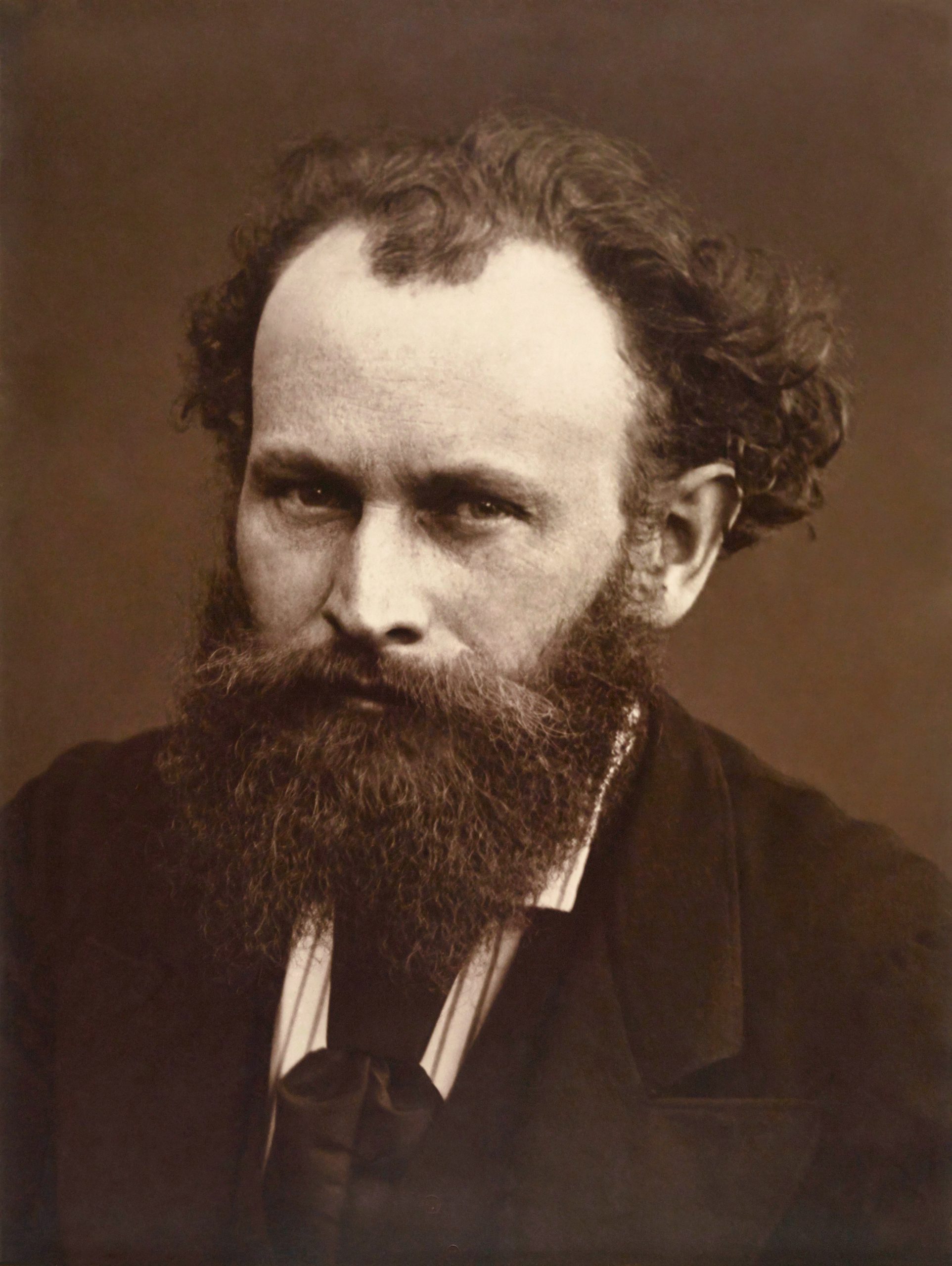
Portrait of artist Édouard Manet by Nadar. This is the close-up version of the photograph, an enlargement by Paul Nadar of his father’s original.
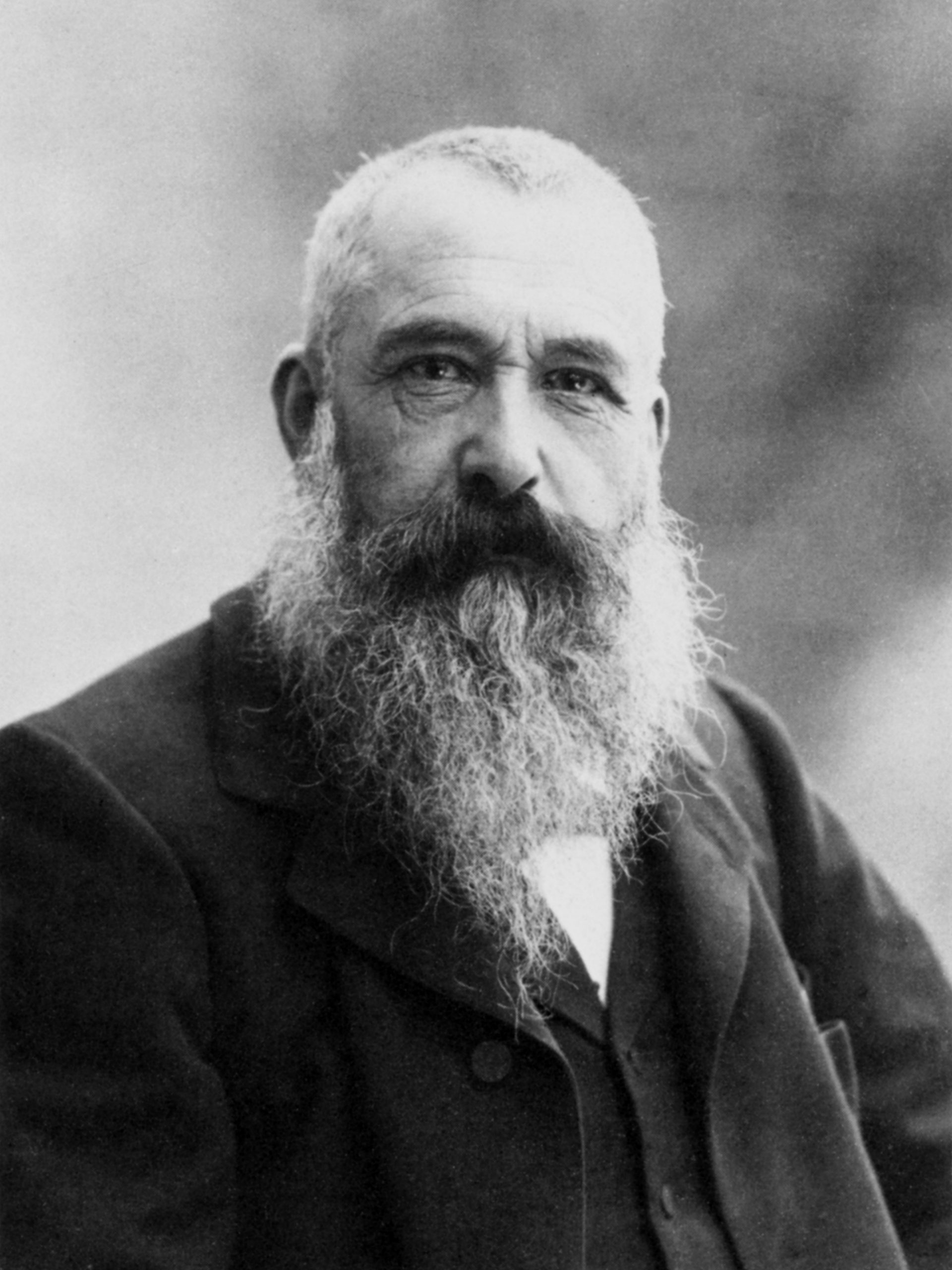
Portrait photograph of the French impressionist painter Claude Monet by Nadar.
The technique reached a high level of refinement in the hands of John Singer Sargent, whose dazzling portraits combined technical virtuosity with the fluid execution characteristic of alla prima. Joaquín Sorolla, another master of the method, used it to convey the brilliance of Mediterranean sunlight and the dynamism of coastal life. His broad, gestural strokes and luminous palette exemplified the spirit of painting in one sitting.
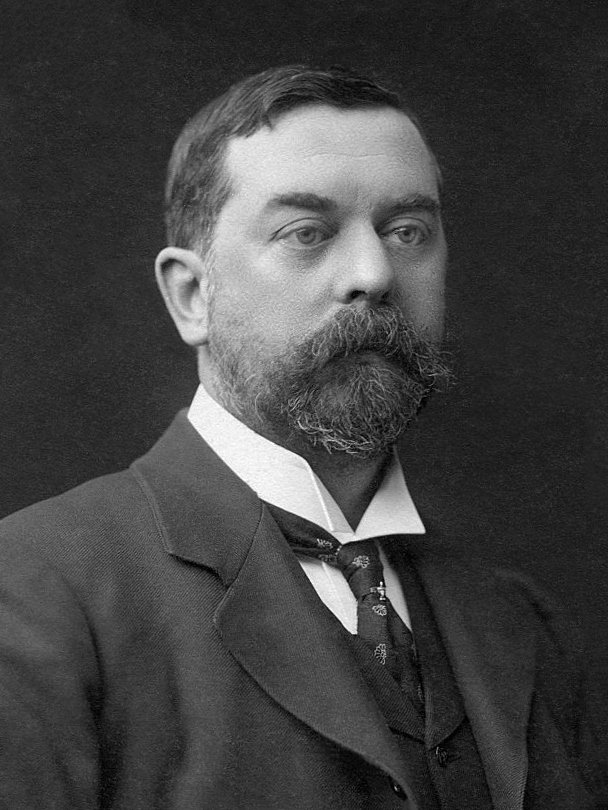
Portrait of John Singer Sargent by James Edward Purdy.
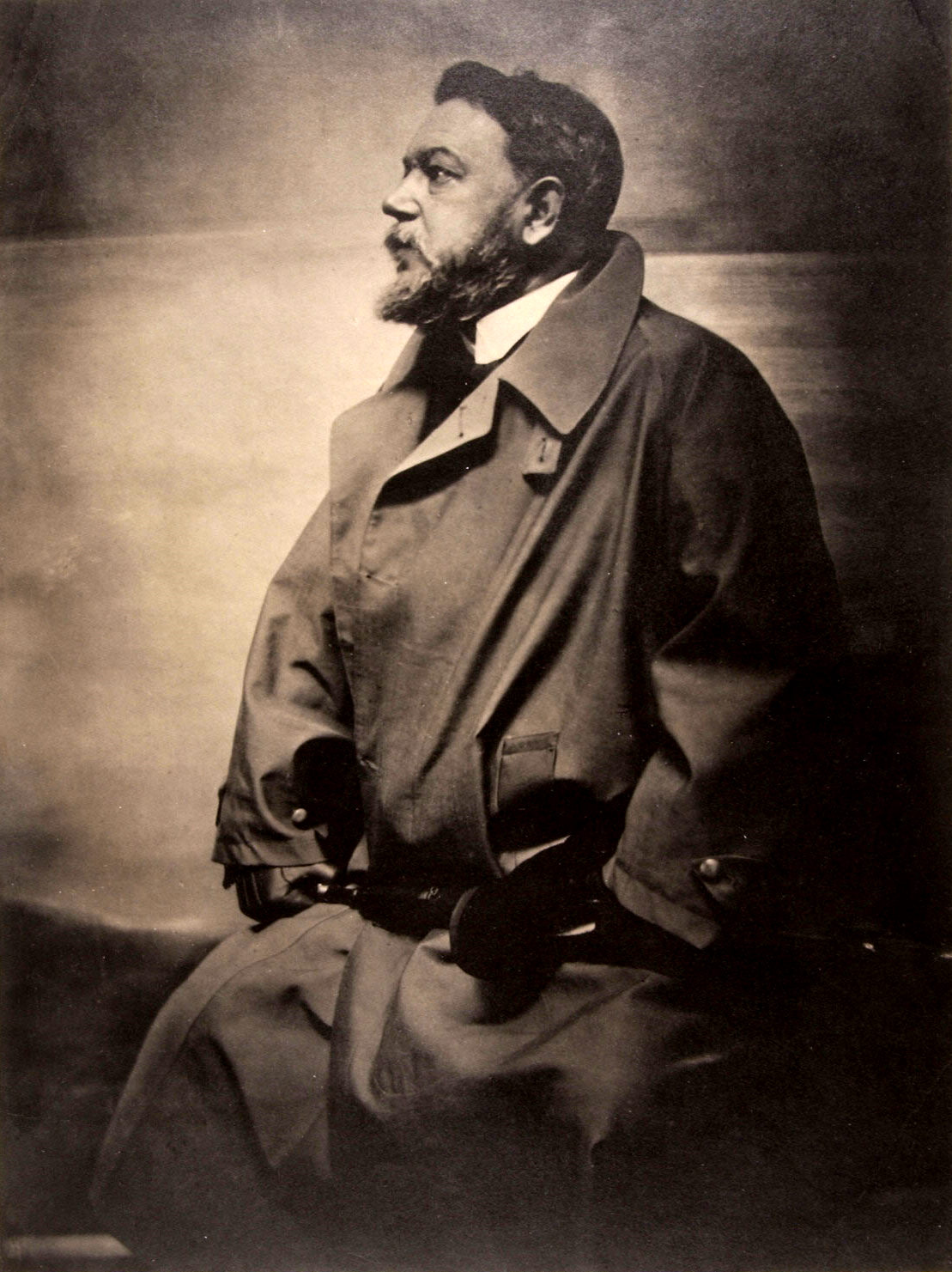
Platinum print of Joaquin Sorolla (c. 1908) by Gertrude Käsebier.
These artists were not merely imitating Hals, but building on his legacy – translating the expressive possibilities of alla prima into modern contexts. Their works demonstrate how the method evolved from being a practical tool into a deliberate artistic philosophy centred on spontaneity, perception, and emotional immediacy.
End of the Golden Ages
The decline of alla prima began subtly in the 1920s, accelerated in the 1930s, and was largely displaced by the 1950s. By the mid-20th century, it was no longer considered part of the avant-garde or central to artistic innovation. While still practised, especially by portraitists and en plein air painters, it had fallen from its former dominance in the world of fine art.
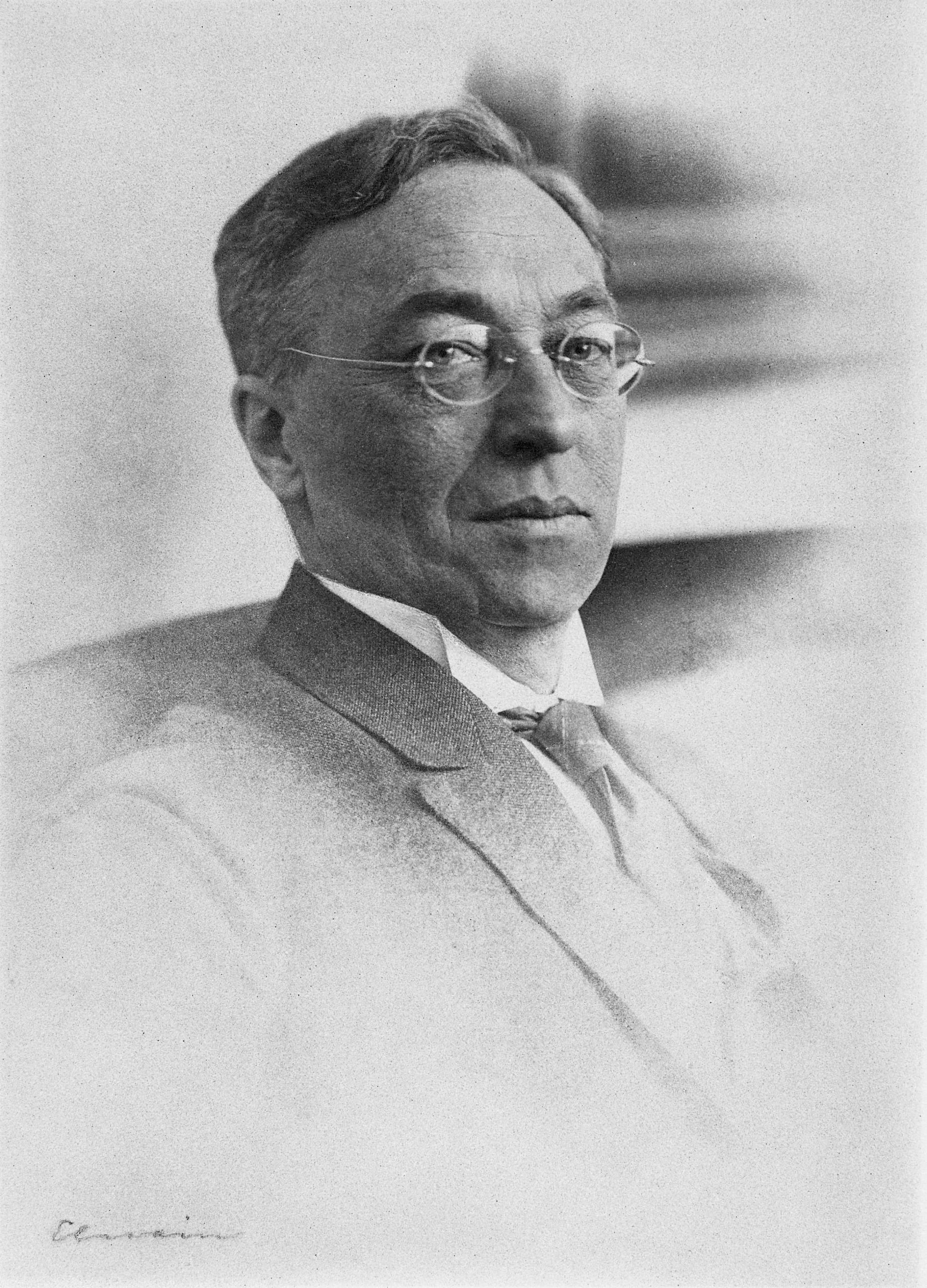
Portrait of Vassily Kandinsky by Adolf Elnain.
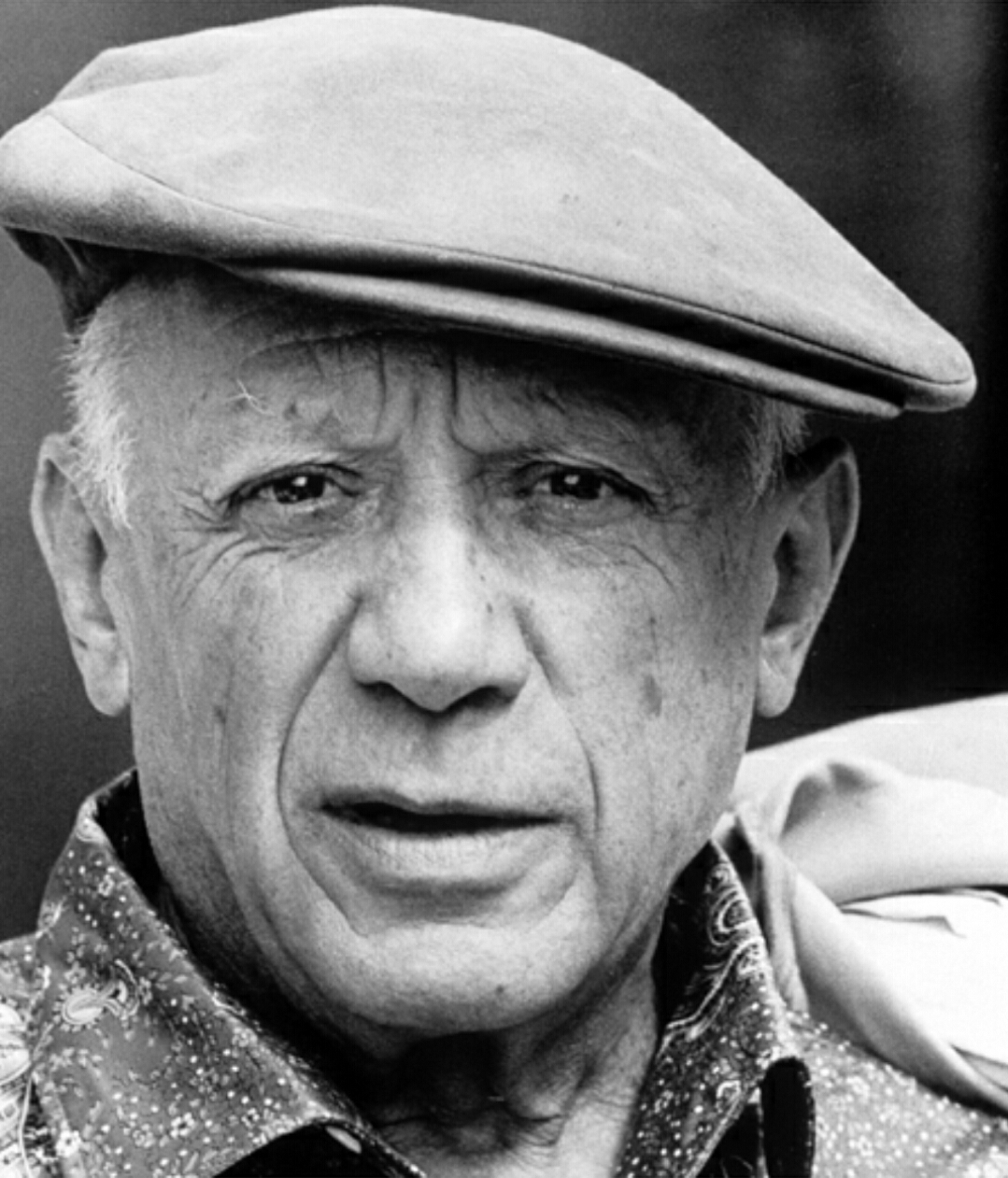
Portrait of the Spanish artist Pablo Picasso in 1962.
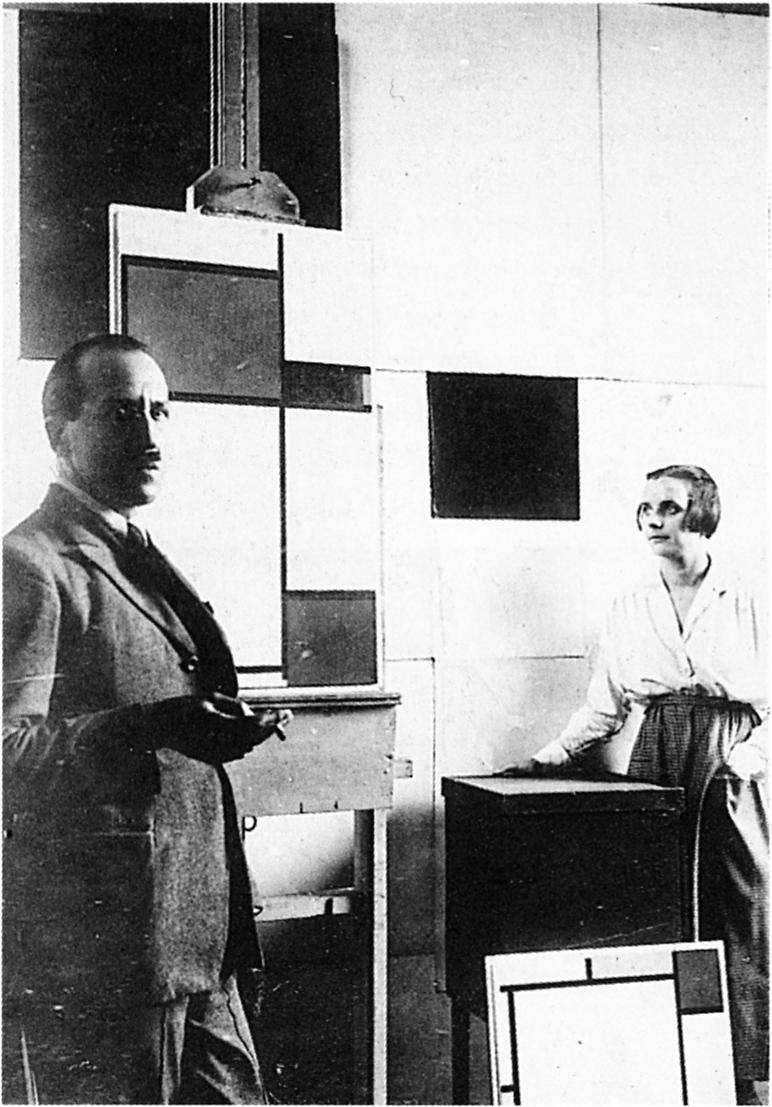
Piet Mondrian and Pétro (Nelly) van Doesburg in Mondrian’s Paris studio, 1923.
Several major cultural, artistic, and technological shifts contributed to the fading of alla prima’s popularity:
1. The Rise of Modernism and Abstract Art: As the 20th century dawned, new artistic philosophies emerged. Movements like Cubism, Futurism, and eventually Abstract Expressionism challenged the very notion of representation.
- Artists such as Picasso, Kandinsky, and Mondrian broke away from capturing visual reality.
- Their work became more conceptual, geometric, and philosophical, moving away from the direct, observational nature of alla prima.
- Spontaneity was still valued – but in a non-representational context.
2. Studio-Based, Multi-Layered Art Took Over: Alla prima’s wet-on-wet, one-session approach lost ground to more complex, layered painting methods. With the rise of Surrealism, Dada, and Constructivism, artists began creating works that required:
- Long conceptual development
- Symbolic narrative structures
- Multiple stages of execution
Alla prima’s immediacy no longer aligned with the artistic mood of the time.
3. The Rise of Photography: By the early 20th century, portrait photography had become widespread, accessible, and efficient. For centuries, alla prima had thrived on its ability to quickly capture likenesses and atmosphere – a function now rapidly replaced by the camera.
- Upper-class patrons who once commissioned portraits from Sargent or Sorolla turned to photographers instead.
- The demand for spontaneous portrait painting diminished sharply.
4. Changing Art Education and Institutional Trends: With the growing influence of modernist ideologies in art academies and galleries, alla prima was increasingly viewed as old-fashioned. Institutions favoured:
- Formalism
- Experimental techniques
- Conceptual art
The expressive realism of alla prima no longer fit the dominant narrative of progress in the arts.
After approximately 250–300 years, its golden age came to an end, like all artistic revolutions. It remains one of the most enduring and influential painting techniques in art history.
Although its golden age has long passed, in today’s world – hungry for authenticity and spontaneous impressions – the spirit of the alla prima technique is emerging from the shadows into the light. This approach connects the modern viewer with a timeless desire: to see and feel the world through paint – fresh, vibrant, and unfiltered.