The Rise and Fall of Art Deco
The birth, golden age, and eventual decline of the 20th century’s most glamorous design movement.
By Yusif Babayev | Published: 12.10.2025
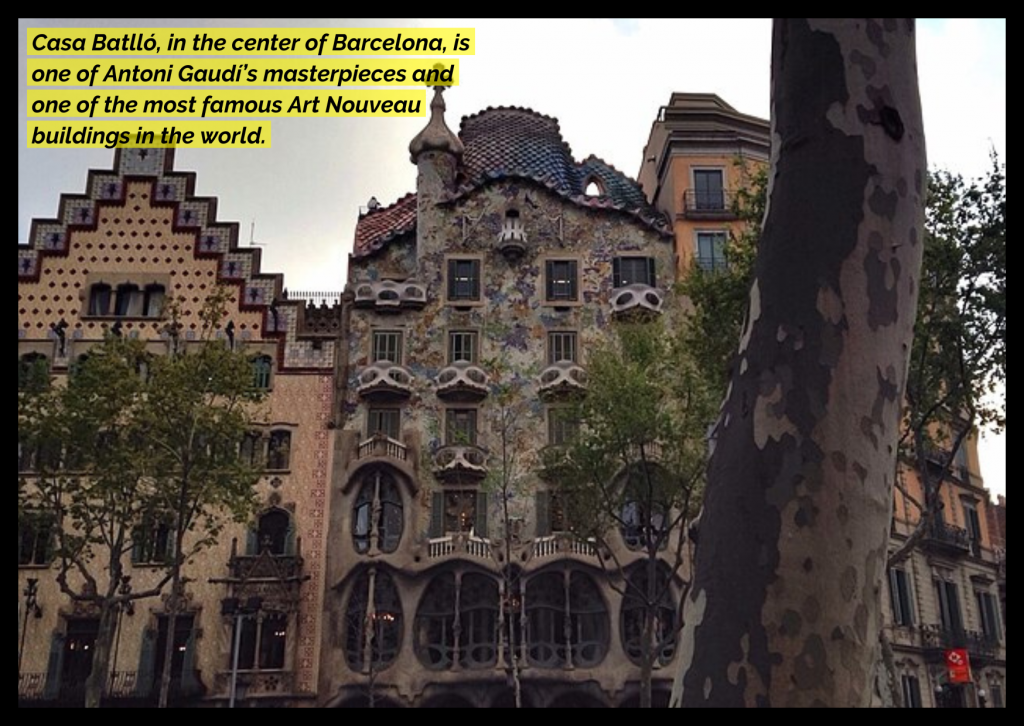
Before the rise of Art Deco, the dominant artistic movement was Art Nouveau, which flourished from the 1890s to the early 1910s. Characterized by flowing lines, floral motifs, and ornamental elegance, Art Nouveau drew inspiration from nature and sought to blur the line between fine art and applied arts. It was especially popular in countries like France, Belgium, Austria, and Germany, with notable figures such as Antoni Gaudí, Gustav Klimt, and Alphonse Mucha. However, following World War I, the romantic and intricate aesthetics of Art Nouveau began to feel outdated. The post-war world demanded a new, modern, and functional approach to design that reflected progress and industrial innovation.
In this context, Art Deco emerged during the 1920s as a bold new style. It favored geometric forms, symmetry, clean lines, and luxurious materials, often inspired by modern technology and machinery. The movement took its name from the 1925 Paris exhibition, officially titled “Exposition Internationale des Arts Décoratifs et Industriels Modernes” (International Exhibition of Modern Decorative and Industrial Arts). Although the term “Art Deco” was not used at the time, it was later coined by art historians in the 1960s, derived from the phrase Arts Décoratifs. The name reflects the movement’s focus on decoration, elegance, and modernity, and helped distinguish it from the earlier Art Nouveau style. By the 1930s, Art Deco had become a global design phenomenon, influencing architecture, fashion, graphic arts, and industrial design.
From Art Nouveau to Art Deco
The transition from Art Nouveau to Art Deco began gradually after World War I, as cultural, economic, and technological shifts called for a new aesthetic. The change did not occur all at once, and different fields adopted the new style at different times. However, architecture, decorative arts (especially furniture and interior design), and fashion were among the first areas where this shift became noticeable.

Architecture
The shift from Art Nouveau to Art Deco in architecture began in the early 1920s. Art Nouveau buildings often featured curving façades, floral motifs, and asymmetrical ornamentation. After World War I, architectural trends began to favor a more streamlined, symmetrical, and modern look, influenced by technological advancement and the machine age. This laid the groundwork for Art Deco, which emphasized geometry, bold vertical lines, and stylized motifs such as zigzags, chevrons, and sunbursts.
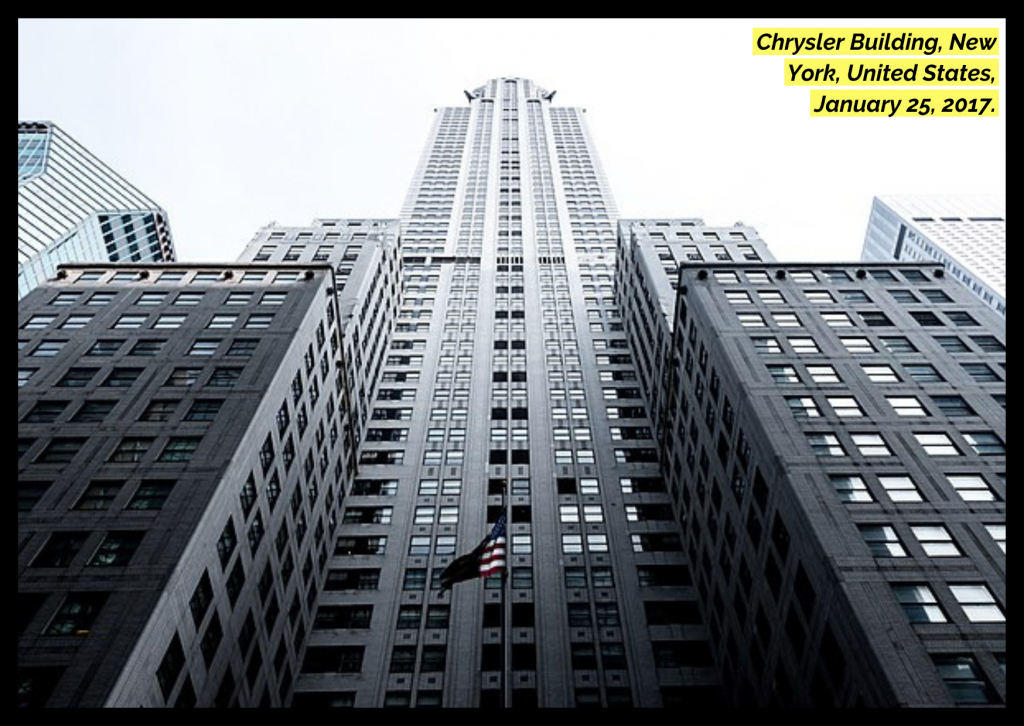
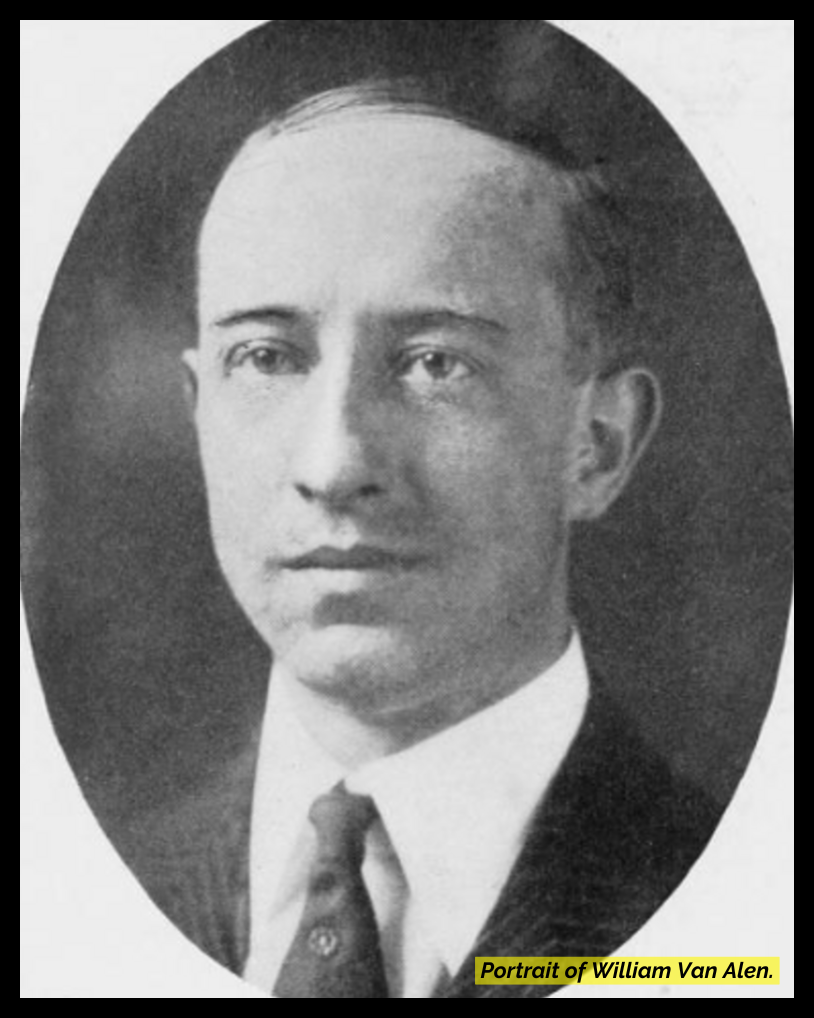
One of the most iconic early examples of Art Deco architecture is the Chrysler Building (1930) in New York City, designed by William Van Alen. Its stepped crown, stainless steel cladding, and stylized eagles showcase the elegance and modernity of the new style. In Europe, architects such as Robert Mallet Stevens and Auguste Perret began to experiment with concrete and minimalist forms that balanced function with visual appeal, shaping the distinct Art Deco look in cities like Paris.

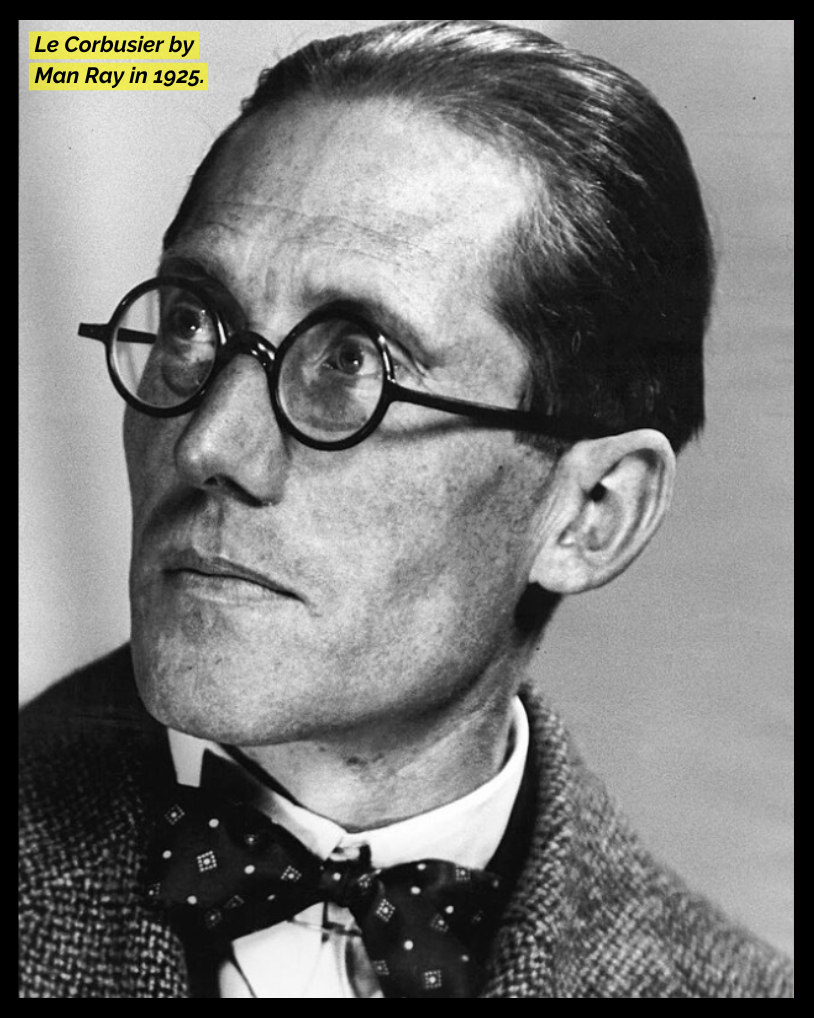
Another major contributor was Le Corbusier, though not always considered an Art Deco figure. His early projects influenced the architectural language of the time by emphasizing clean lines and modern materials. While he later moved toward modernism, his rejection of Art Nouveau’s ornate style helped pave the way for Art Deco’s popularity.
Decorative Arts and Interior Design
Decorative arts were among the first areas to transition from the flowing forms of Art Nouveau to the sharp lines and luxury of Art Deco. While Art Nouveau emphasized handcrafted ornamentation, organic forms, and natural inspiration, Art Deco embraced industrial materials, symmetry, and opulence. Furniture and interior objects became sleeker, often featuring lacquered surfaces, chrome, mirrors, and exotic woods.
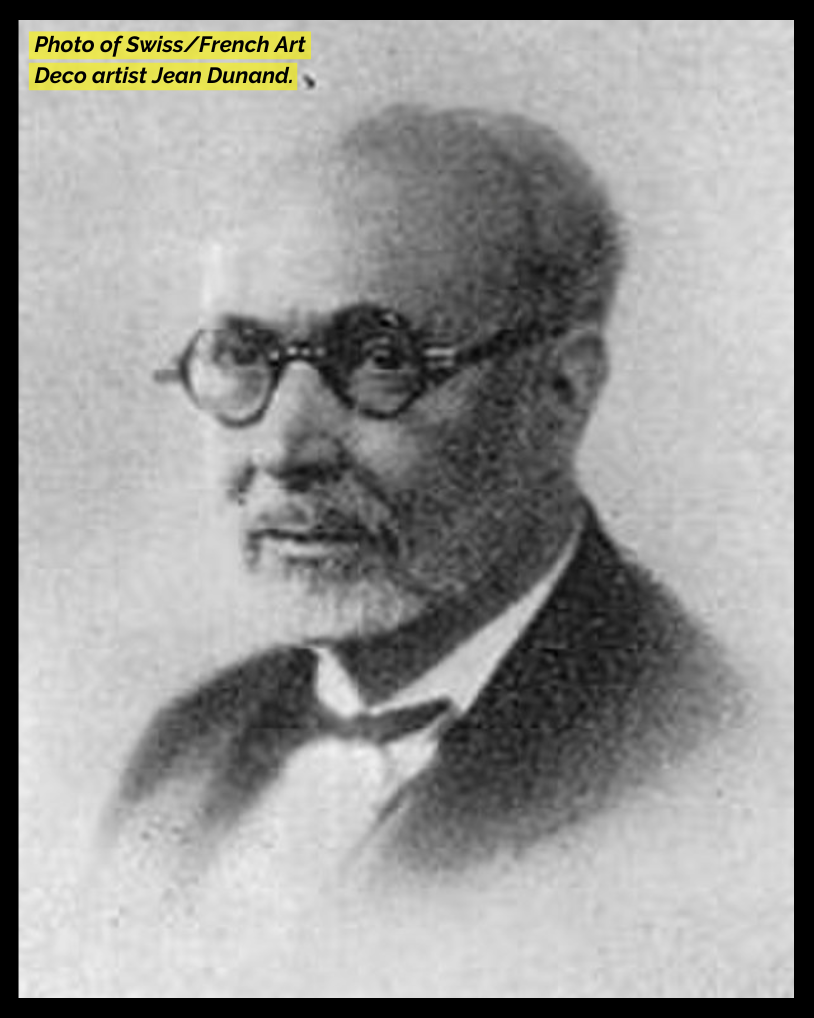
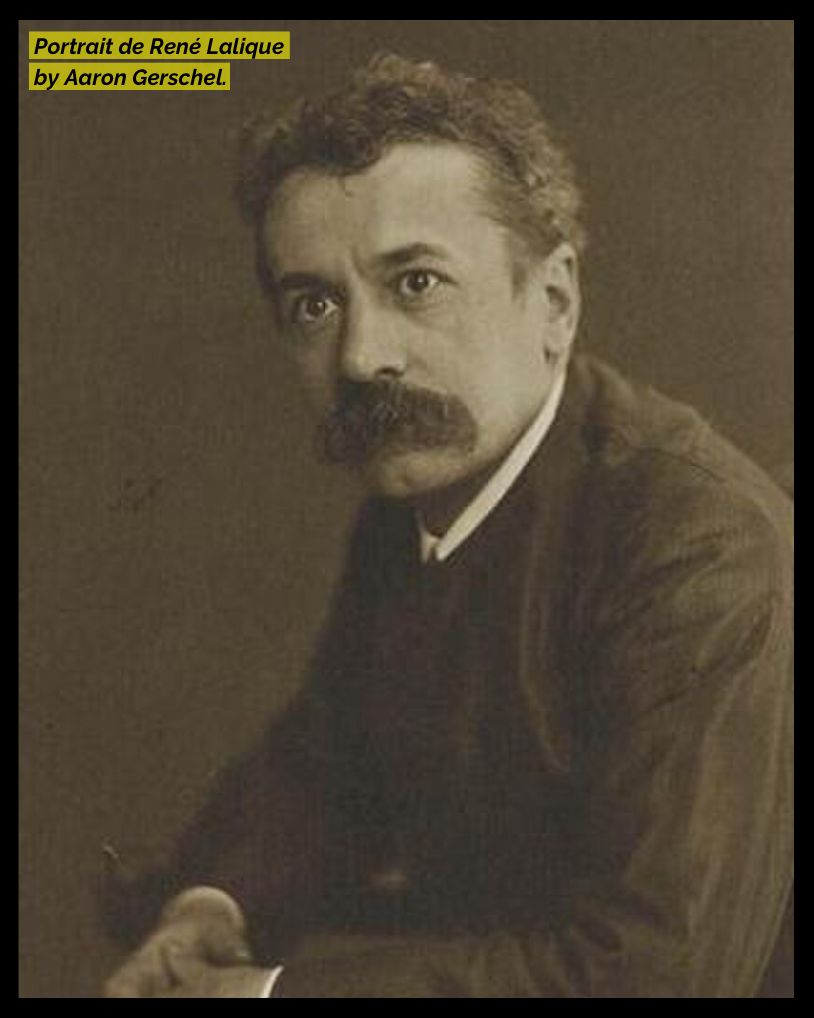
A leading figure in this shift was Émile-Jacques Ruhlmann, who fused high-quality craftsmanship with modernist aesthetics in furniture design. His pieces often combined classical proportions with luxurious materials, reflecting the Art Deco ideal of modern elegance. Another key figure was Jean Dunand, a master of lacquer work and metalwork, who created sophisticated decorative panels and furnishings in the Art Deco style.
The 1925 Paris exhibition, which officially introduced the style to the world, showcased the works of these designers and others, such as Pierre Chareau and René Lalique. Lalique, previously known for his Art Nouveau glass designs, evolved his aesthetic toward the clean, stylized lines of Art Deco, becoming one of its most influential figures in decorative glassware and lighting.
Fashion and Jewelry
Fashion was also quick to absorb the stylistic transition from Art Nouveau to Art Deco. Before World War I, women’s fashion featured soft, flowing lines and floral patterns characteristic of Art Nouveau. After the war, there was a cultural shift toward modernism and liberation, reflected in the way women dressed. The Art Deco period embraced angular silhouettes, shorter hemlines, and bolder colors, echoing the architectural and artistic sensibilities of the time.
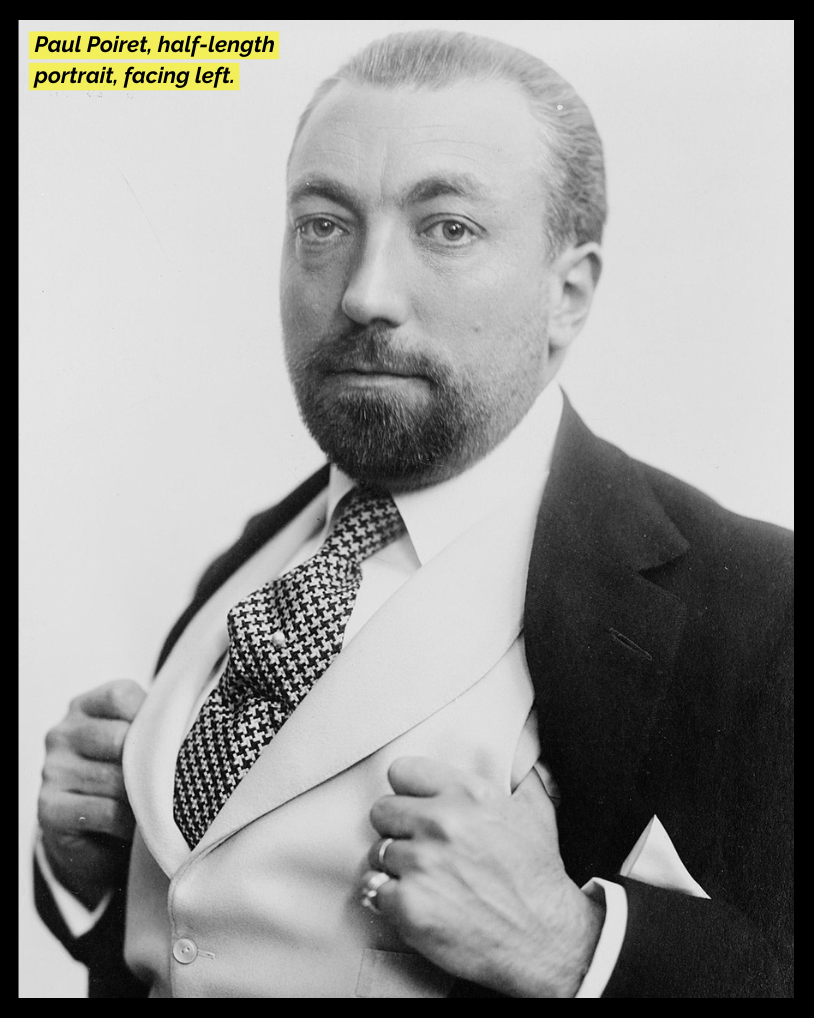
One of the most prominent designers of this transition was Paul Poiret, who rejected the corseted forms of the Belle Époque era and introduced simpler, more geometric dresses. Though his style was not fully Art Deco, it opened the door for later designers. Jeanne Lanvin and Jean Patou incorporated Art Deco patterns, embroidery, and bold detailing in their work during the 1920s. Perhaps the most iconic fashion designer of the Art Deco era was Coco Chanel, who emphasized simplicity, elegance, and practicality hallmarks of the Art Deco aesthetic.
In jewelry, Art Deco replaced the naturalistic motifs of Art Nouveau with abstract, symmetrical designs, often inspired by ancient Egypt, Africa, and East Asia. Cartier and Van Cleef & Arpels led the way, creating pieces with clean lines, contrasting gemstones, and innovative settings. These designs reflected the modernist influence and cosmopolitan fascination of the time.
Automobile Industry
The transition from Art Nouveau to Art Deco in the automobile industry took place between the 1920s and 1930s. Early car designs were functional and sometimes ornamented with flowing lines reminiscent of Art Nouveau. However, as the Art Deco movement gained popularity, automobiles began to adopt streamlined shapes, chrome detailing, and luxury finishes, aligning cars with modernity and status.
One of the most iconic examples of Art Deco automobile design is the 1935 Hispano-Suiza H6C Dubonnet Xenia, designed by Jacques Saoutchik. Its smooth curves, teardrop-shaped fenders, and aerodynamic body reflect the futuristic aesthetic of Art Deco. American manufacturers such as Chrysler, Packard, and Cadillac also embraced Deco styling in their car grilles, hood ornaments, and dashboards.
The emphasis on speed, motion, and efficiency—hallmarks of the Art Deco spirit—found a perfect expression in the automobile. Designers integrated sculptural elegance with performance, making the car not just a machine, but a mobile work of art. This marriage of function and form helped elevate car design to a new artistic level during the Deco era.
Poster and Graphic Design
Graphic design saw a rapid and early adoption of Art Deco elements, especially in poster art, advertising, and typography. In contrast to Art Nouveau’s intricate illustrations and soft, romantic imagery, Art Deco posters employed bold lines, vibrant colors, dynamic compositions, and simplified forms. The goal was to capture attention quickly and convey the message with visual impact.
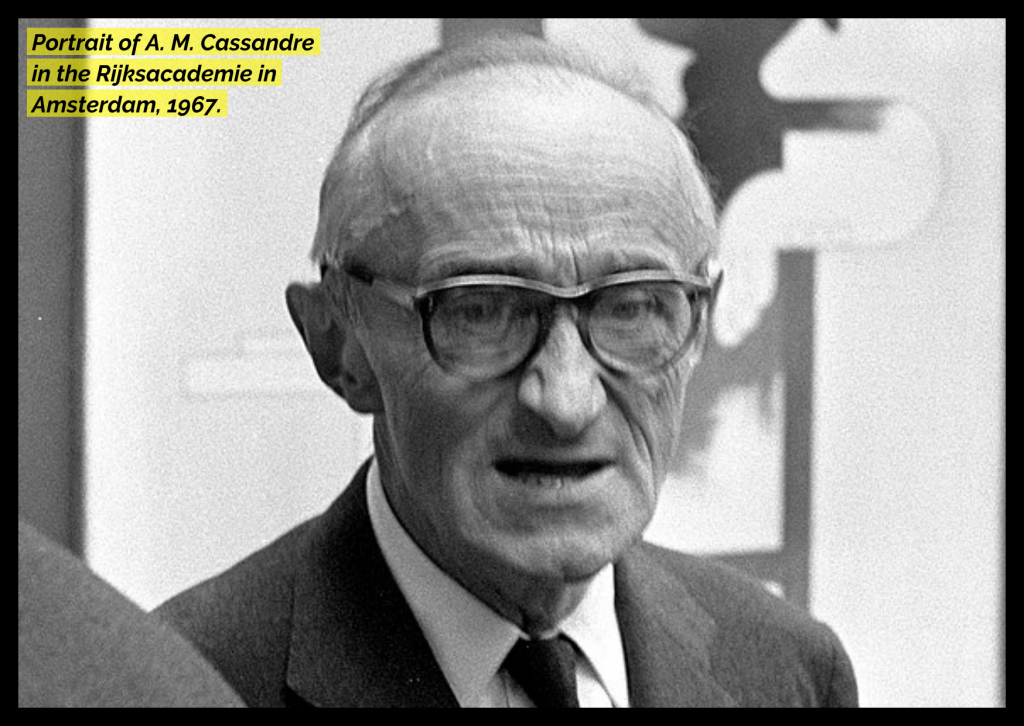
One of the leading figures in Art Deco poster design was A.M. Cassandre, whose work revolutionized advertising in the 1920s and 1930s. His posters for Dubonnet, Normandie ocean liner, and railroads used stylized geometry, strong perspective, and modern typography. Cassandre’s style exemplified the sleek, optimistic energy of the Deco era.
Typography also transformed during this period. New typefaces were designed to complement the geometric and modern look of Art Deco design, often with sharp edges, angular lines, and symmetry. Posters, travel brochures, and movie advertisements helped spread the Deco aesthetic across Europe and America, becoming one of the most recognizable visual languages of the 20th century.
Painting and Fine Art
While Art Deco was primarily a design and architectural movement, it also influenced painting and fine art, especially in the way artists portrayed form, space, and modern life. Art Nouveau painting was often symbolic, decorative, and fluid. In contrast, Art Deco-inspired art tended toward stylization, abstraction, and celebration of the machine age.
Artists such as Tamara de Lempicka became icons of the Art Deco aesthetic in painting. Her portraits of fashionable women, rendered with smooth surfaces, sharp contours, and metallic tones, perfectly embodied the elegance and sensuality of the era. Her work bridged traditional portraiture with avant-garde stylization.
Another artist influenced by the Deco style was Jean Dupas, whose large-scale decorative panels featured classical themes reimagined in modern, streamlined forms. Many Art Deco painters were also involved in mural painting, especially in public buildings like cinemas, cruise ships, and skyscrapers, where they blended classical motifs with futuristic visions.
Though not as dominant in fine art as in design, Art Deco painting left a distinct mark by redefining modern beauty, glamour, and the relationship between art and industry.
People Who Didn’t Like Art Deco
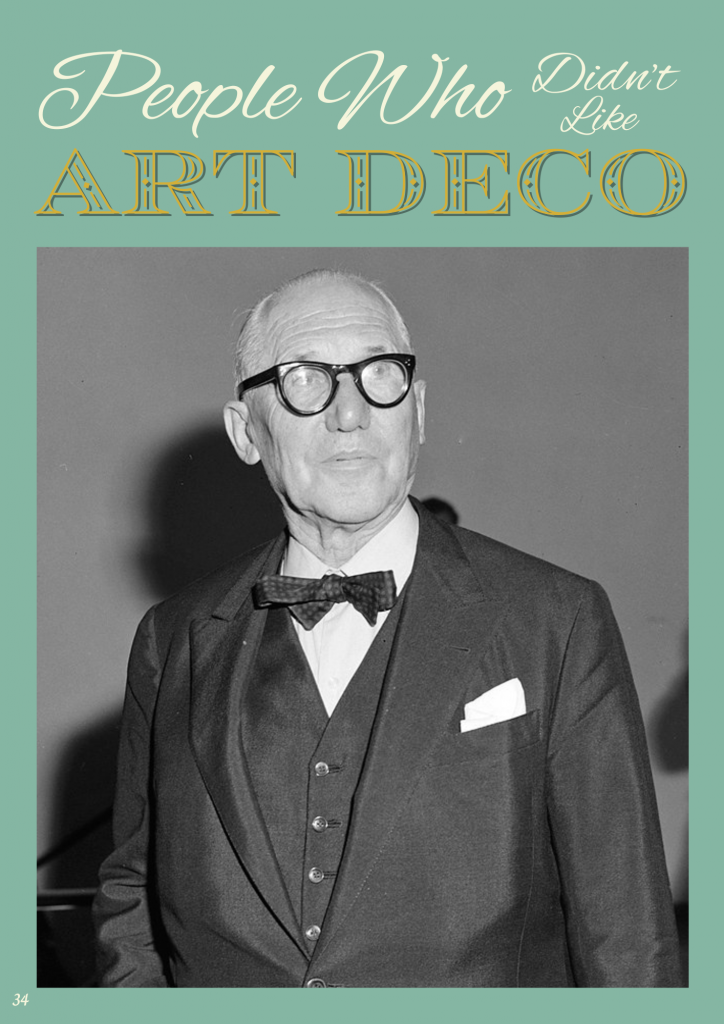
Although Art Deco was widely celebrated for its elegance, luxury, and modernity, not everyone welcomed the movement. Several artists, architects, and intellectuals criticized Art Deco for being superficial, elitist, and overly decorative, especially in the context of a rapidly changing, industrialized society. These critics often came from movements that prioritized function over form, social consciousness over luxury, and simplicity over ornamentation.
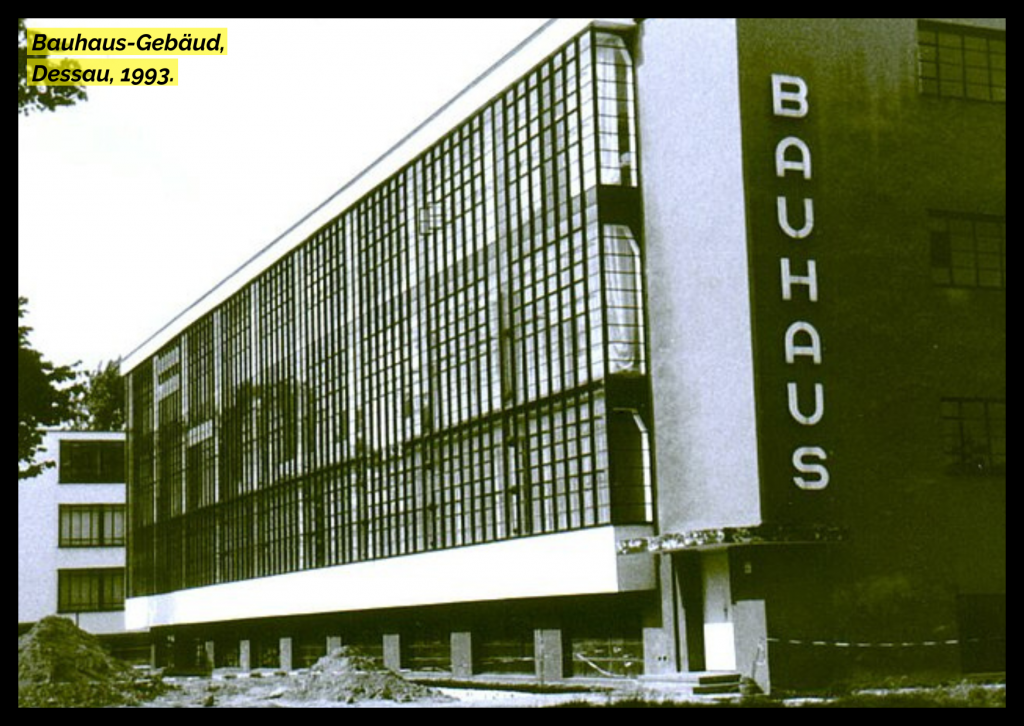
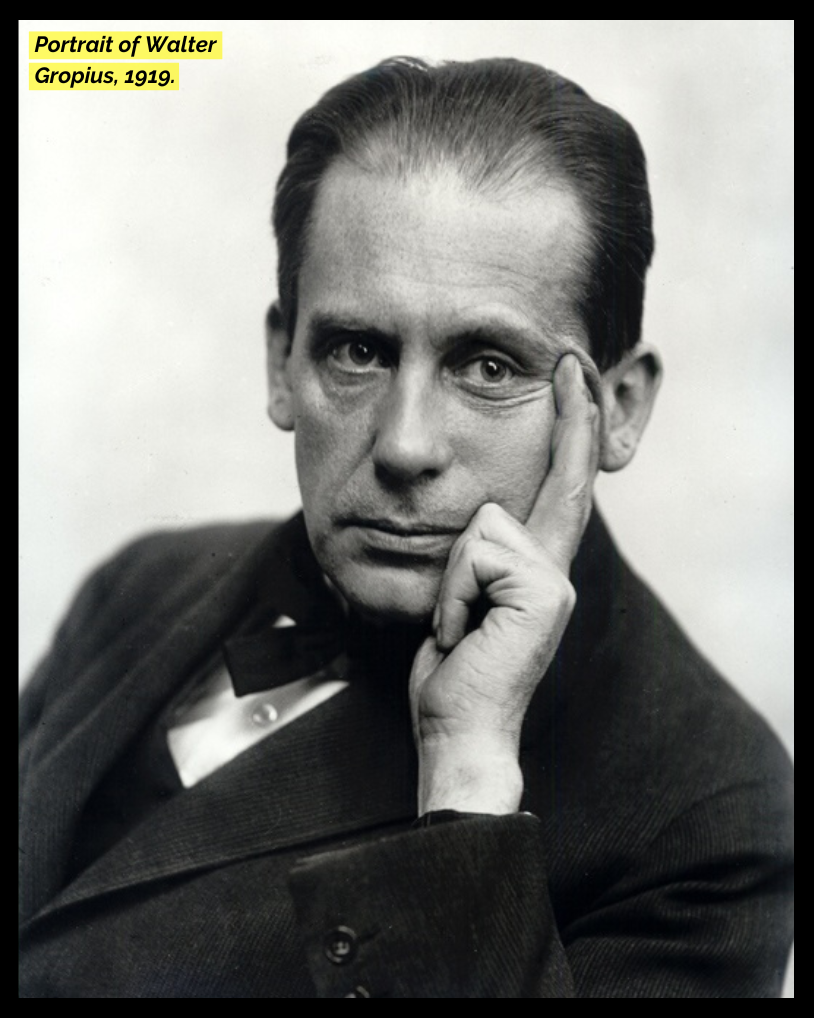
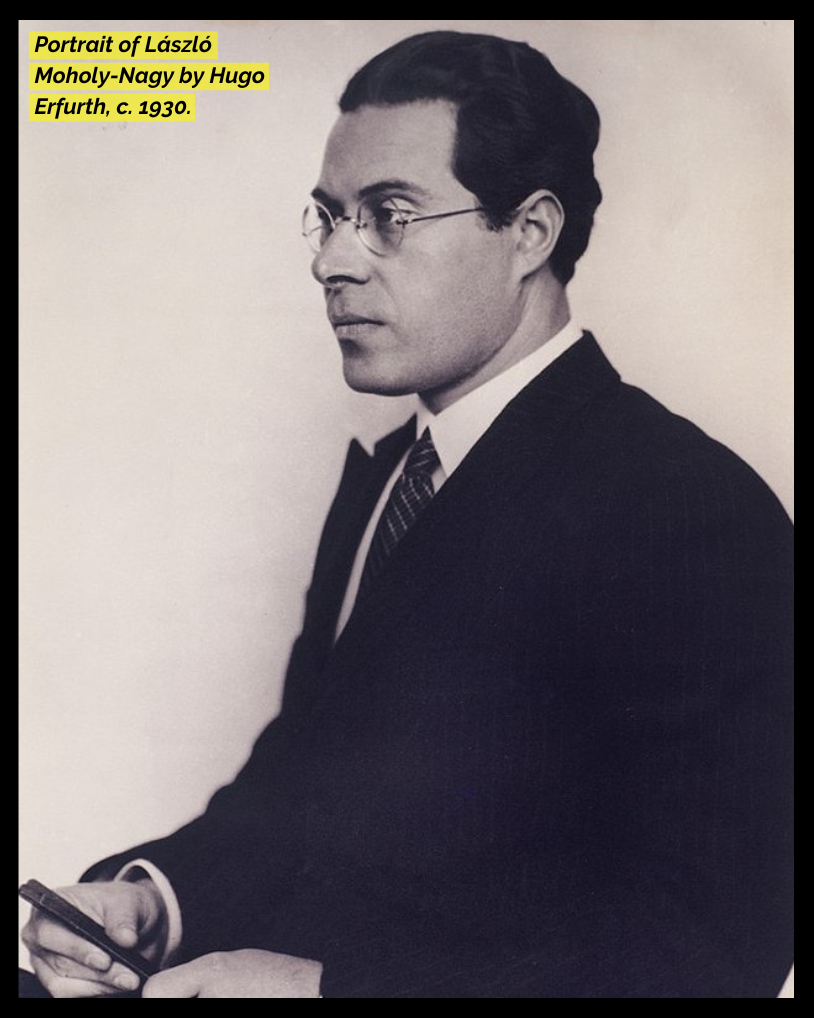
One of the most significant groups that opposed Art Deco was the Modernist and Bauhaus movements, particularly in Germany and Central Europe. Leaders like Walter Gropius and László Moholy-Nagy from the Bauhaus school promoted the idea that design should be functional, mass-producible, and serve the needs of ordinary people. They viewed Art Deco as overly ornamental and bourgeois, dismissing it as a style rooted in consumerism and superficial glamour. Instead, they championed minimalist aesthetics, standardized materials, and an architecture that rejected historical references. Their guiding principle, “form follows function,” stood in direct opposition to the decorative excesses of Art Deco.
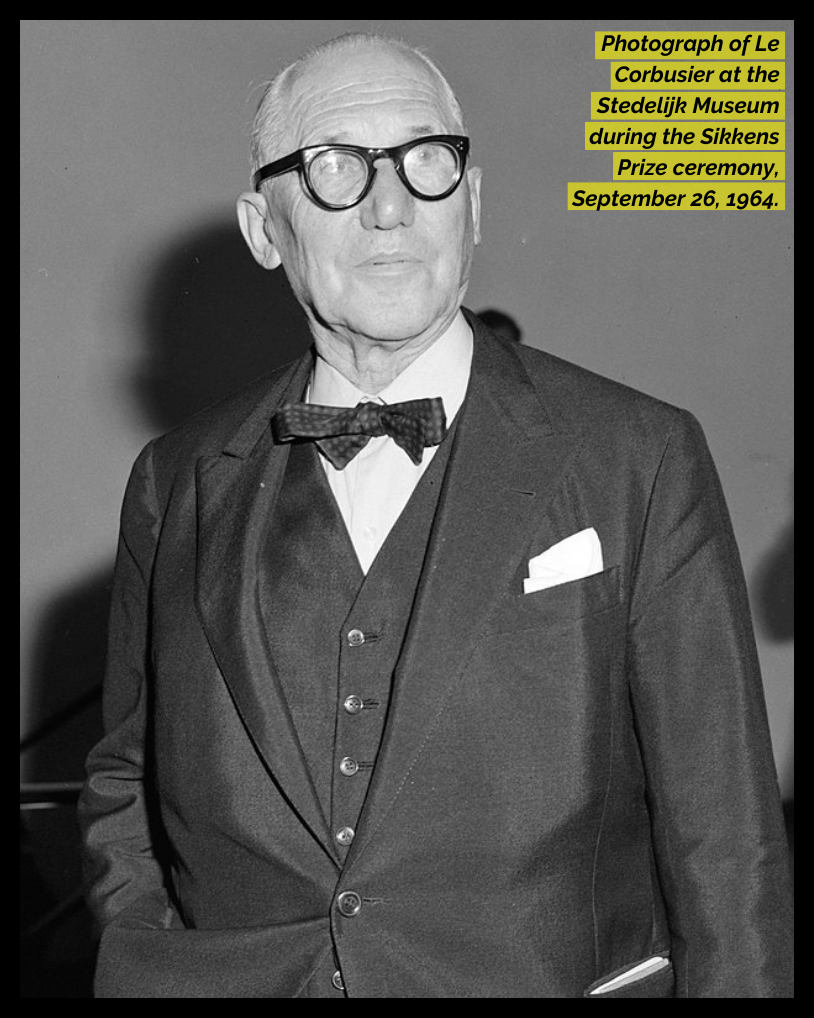
Similarly, Le Corbusier, one of the most influential architects of the 20th century, was openly critical of Art Deco. While some aspects of his early work coincided with the Deco era, he ultimately denounced it for its indulgence in luxury and lack of social responsibility. In his writings, he argued for rationality, efficiency, and buildings designed for the masses rather than the elite. For him, the future of architecture and design lay not in exotic veneers or precious materials but in simplicity, geometry, and functionality that improved everyday life. His rejection of Art Deco was not just aesthetic—it was deeply ideological, rooted in a vision of design as a social duty.
In the broader cultural sphere, leftist intellectuals and critics across Europe and the Soviet Union also condemned Art Deco as a symbol of capitalist decadence. In the USSR, the rise of Constructivism, led by figures such as Aleksandr Rodchenko, represented a radical break from Art Deco’s cosmopolitan luxury. Constructivists embraced industrial materials, stark geometry, and utilitarian design, believing that art and architecture should directly serve social progress and collective needs. To them, Art Deco’s obsession with wealth, exoticism, and cosmopolitan consumer culture made it ideologically suspect, even dangerous, in an era marked by revolution and class struggle.
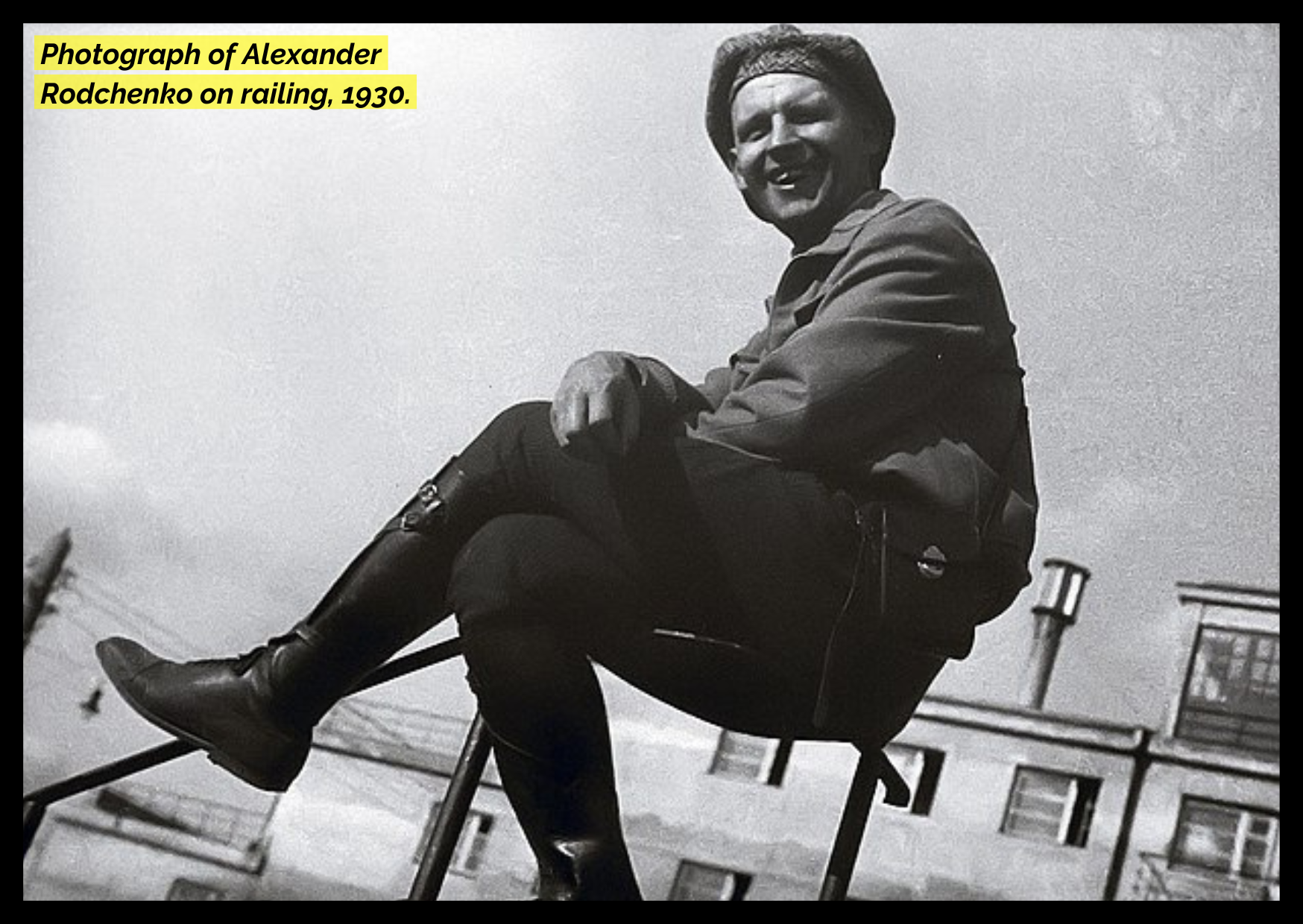
By the late 1930s, as the world faced economic depression and political upheaval, Art Deco’s shimmering opulence appeared increasingly out of step with the demands of modern society. For architects like Le Corbusier, Bauhaus leaders such as Gropius and Moholy-Nagy, and Soviet Constructivists like Rodchenko, Deco was the embodiment of an old order—a glamorous but hollow style. Their opposition was not merely stylistic, but philosophical: where Art Deco celebrated ornament, exclusivity, and spectacle, they pursued a future grounded in functionality, equality, and social responsibility.
The Beginning of the End
The decline of the Art Deco movement began in the late 1930s, as global circumstances dramatically shifted. While the 1920s had been a decade of optimism, innovation, and consumer culture, the Great Depression of the 1930s changed the world’s priorities. The economic crisis made the lavish and luxurious nature of Art Deco appear out of touch and even wasteful. Governments and the general public began to favor more practical, affordable, and socially responsible design approaches.
Simultaneously, the rise of modernist and functionalist ideologies in design and architecture directly challenged the principles of Art Deco. Influential movements like the International Style, led by figures such as Le Corbusier, Mies van der Rohe, and Walter Gropius, promoted minimalism, industrial materials, and a strict rejection of ornamentation. These new ideals stood in stark contrast to Art Deco’s decorative elegance and geometric glamour. Modernism saw beauty in functionality and structure, rather than in surface embellishments.
Another major factor in the decline of Art Deco was World War II, which redirected artistic and industrial efforts toward the war economy. Resources like metal, glass, and luxury materials were now reserved for military use rather than consumer goods or decorative arts. Wartime propaganda, rationing, and reconstruction efforts shifted focus to utility and mass production. The postwar world was more concerned with rebuilding society than with indulgent design. As a result, Art Deco, which had once symbolized the future, came to be seen as a relic of the past.
By the late 1940s and into the 1950s, Art Deco had largely faded from mainstream culture, replaced by Mid-Century Modern design in interiors, architecture, and graphic arts. However, the movement never completely disappeared. Art Deco experienced revivals in later decades, particularly during the 1980s, and its influence continues to be seen today in fashion, film, and architecture. Still, its original era—marked by its glamour, bold geometry, and celebration of modern life—had clearly reached its end by the mid-20th century.