20 Random Fun Facts You Won’t Forget
Discover the Weird, Wild, and Wonderful Truths About the World Around You
20 Random Fun Facts You Won’t Forget
Discover the Weird, Wild, and Wonderful Truths About the World Around You
By Yusif Babayev
Published: 1 July 2025
By Yusif Babayev
Published: 1 July 2025
The world around us is not merely vast; it is an endless tapestry of the strange, the extraordinary, and the utterly fascinating. Beneath the familiar surface of conventional history and nature lie facts so remarkable – and details so unexpected – that they invite us to see the past and present in an entirely new light.
We have curated twenty of the most intriguing, lesser-known, and captivating facts in existence: a collection designed to enlighten, amuse, and leave a lasting impression. Prepare to discover new perspectives, delight your fellow conversationalists, and explore a world where the truth is consistently more surprising than fiction.
20. Scotland Has More Than 400 Distinct Words for Snow
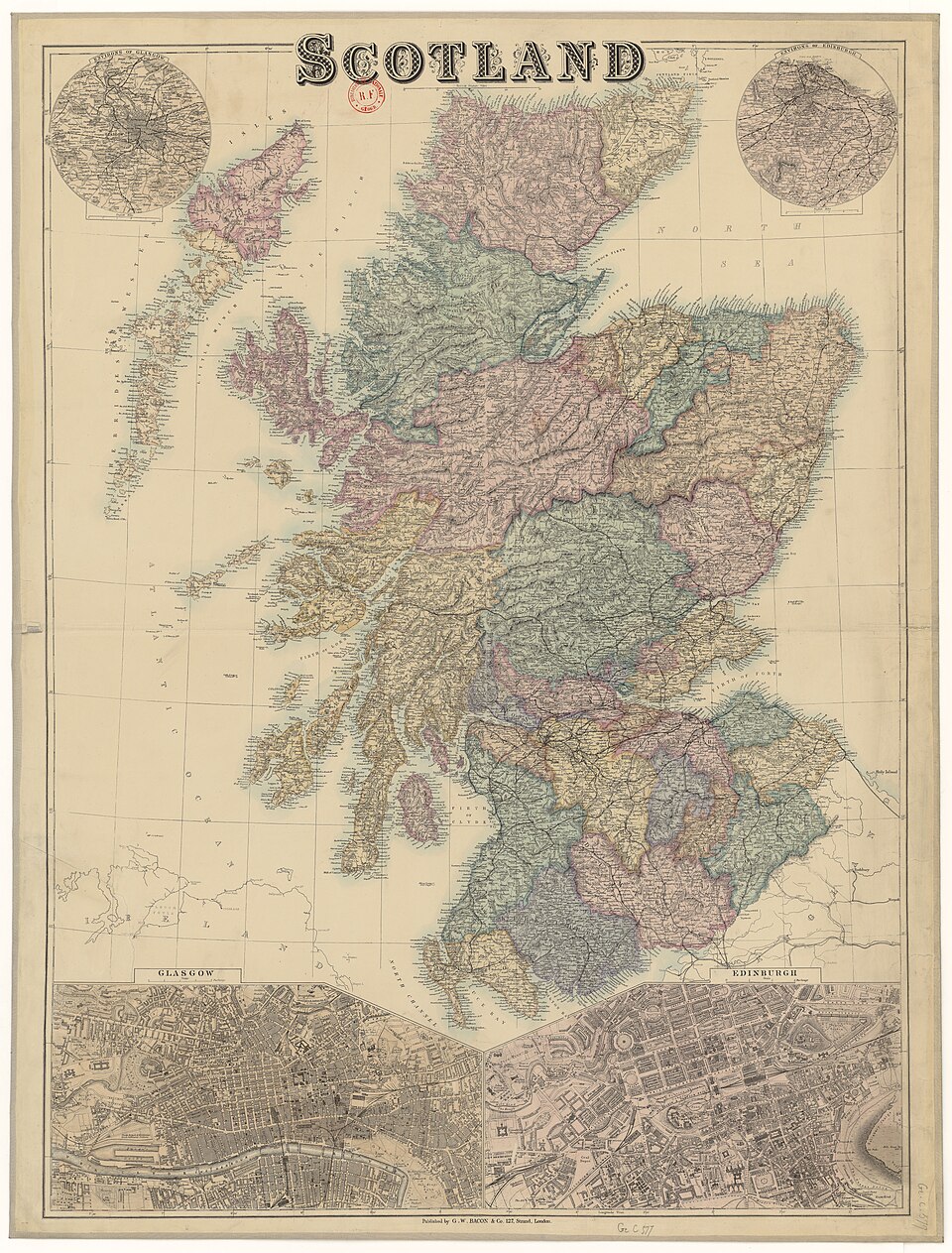
Antique map of Scotland, with inset city plans of Glasgow and Edinburgh, published by G.W. Bacon & Co., London.
When it comes to describing winter weather, few cultures match the linguistic nuance of the Scottish people. While many assume that northern regions such as Greenland or Scandinavia hold the title for the most diverse cold-weather vocabulary, researchers compiled the Historical Thesaurus of Scots and discovered that the Scots language possesses a staggering 421 distinct terms specifically reserved for snow. Far beyond simple descriptions of winter landscapes, these words capture the subtle variations of texture, intensity, and wind patterns with remarkable precision. Among this vast lexicon is the evocative term sneesl’, which denotes the very first gentle onset of rain or snow, alongside other colourful descriptors such as flindrikin (a light snow shower) and feefle (to swirl and drift in the breeze). This extraordinarily rich terminology reflects centuries of deep engagement with the rugged, ever-changing elements of the Scottish countryside.
19. The Eiffel Tower Was Popularly Said to Be Intended for Barcelona

Silhouette of onlookers waving their hats as Santos Dumont’s airship No. 6 passes the Eiffel Tower, Paris.
According to widespread architectural legend, Gustave Eiffel first proposed his iconic iron lattice tower to city officials in Barcelona for the 1888 Universal Exposition. The city supposedly rejected the design, deeming it an impractical eyesore that would clash with the urban landscape. Undeterred, Eiffel submitted his ambitious plans to Paris for the 1889 Exposition Universelle instead. Although contemporary French artists and critics initially protested against the ‘useless and monstrous’ structure, the tower survived past its intended twenty-year lifespan to become one of the most celebrated architectural landmarks in human history.
18. Central Park in New York City is larger than the entire country of Monaco
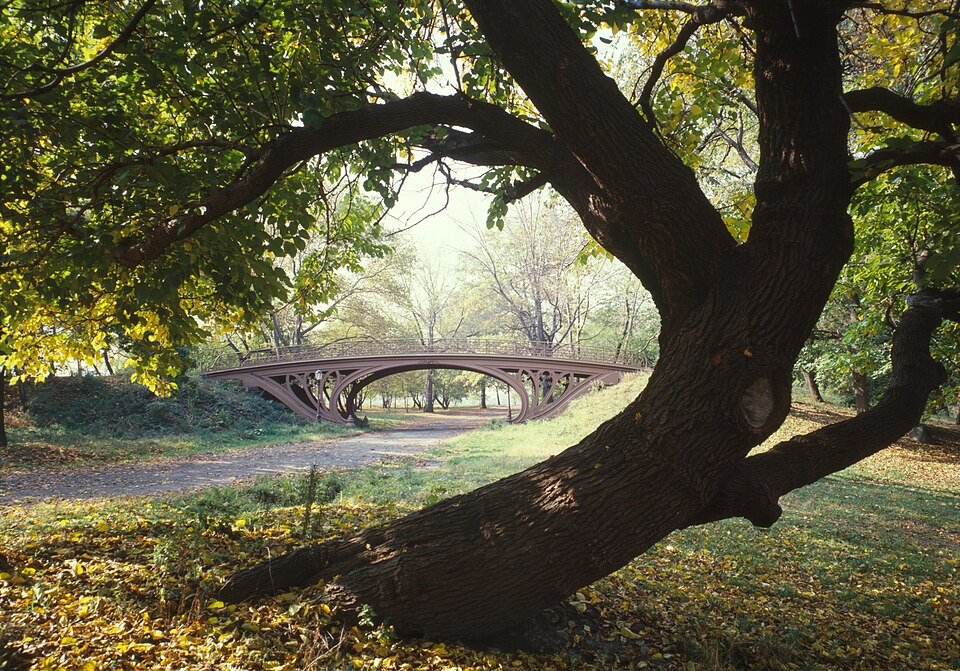
Gothic Bridge in Central Park, New York City. | Photo by Jet Lowe
Sprawling across 843 acres (approximately 3.41 square kilometres) in the heart of Manhattan, New York City’s Central Park is a masterpiece of 19th-century landscape architecture. Remarkably, this iconic urban green space is significantly larger than the Sovereign Principality of Monaco – the second-smallest independent state in the world – which encompasses just 2.08 square kilometres along the French Riviera. Designed by Frederick Law Olmsted and Calvert Vaux, the park represents an ambitious feat of civil engineering: a vast, artificially constructed natural refuge that occupies more sheer land area than an entire European nation.
17. Pure Honey Never Perishes

.
Honey is one of the very few natural food substances that will remain indefinitely preserved without human intervention. During excavations of ancient Egyptian tombs, archaeologists discovered three-thousand-year-old clay vessels filled with honey that remained entirely intact, perfectly edible, and pleasantly sweet. The secret behind its extraordinary longevity lies in its unique chemical composition: honey possesses extremely low moisture content, high natural acidity, and naturally occurring hydrogen peroxide produced by bees during its creation. This inhospitable environment prevents bacteria and microorganisms from surviving within it for centuries – rendering honey an enduring culinary marvel of the ancient world.
16. Human Teeth Cannot Regenerate or Repair Themselves
.
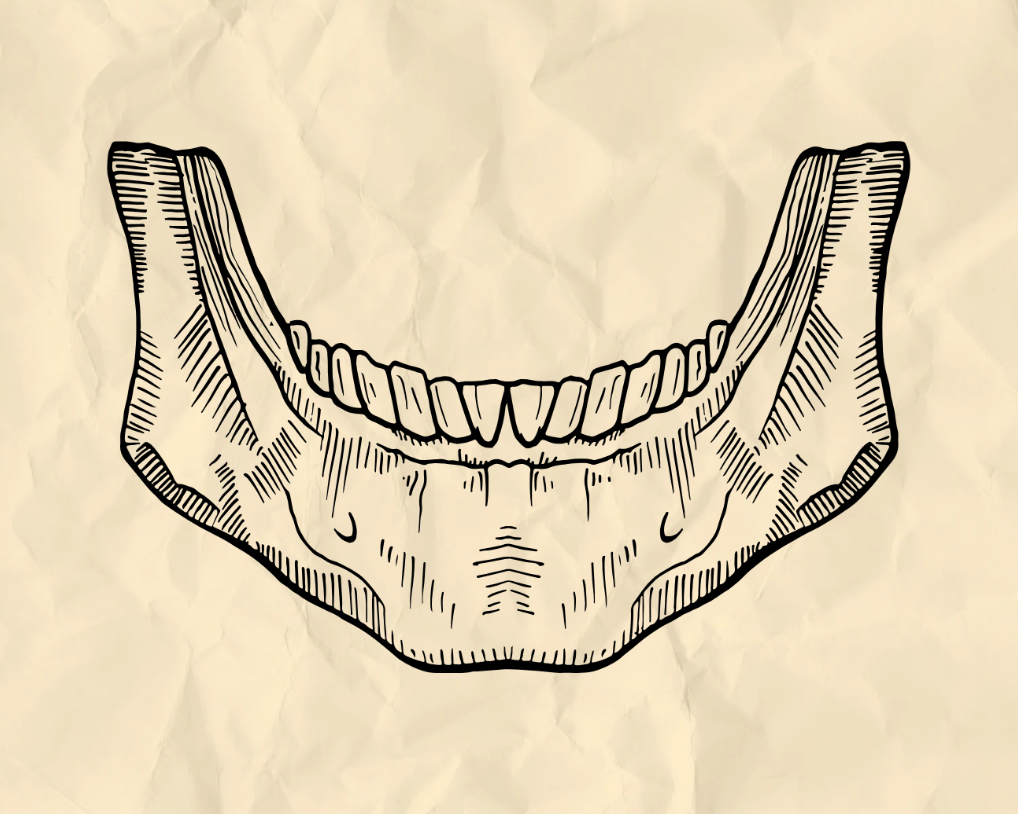
While the human body possesses a remarkable ability to repair bone, skin, and tissue following injury, human teeth are unique in their inability to self-heal. This limitation stems from the outer protective barrier of the tooth: enamel. Enamel is the hardest substance in the human body, yet it is entirely inorganic and composed almost exclusively of minerals – meaning it contains no living cells. Unlike bone tissue, which is constantly broken down and rebuilt by living osteoblasts, damaged enamel cannot be regenerated by the body once lost to decay or fracture.
15. Subvocalisation and the Mechanics of Reading
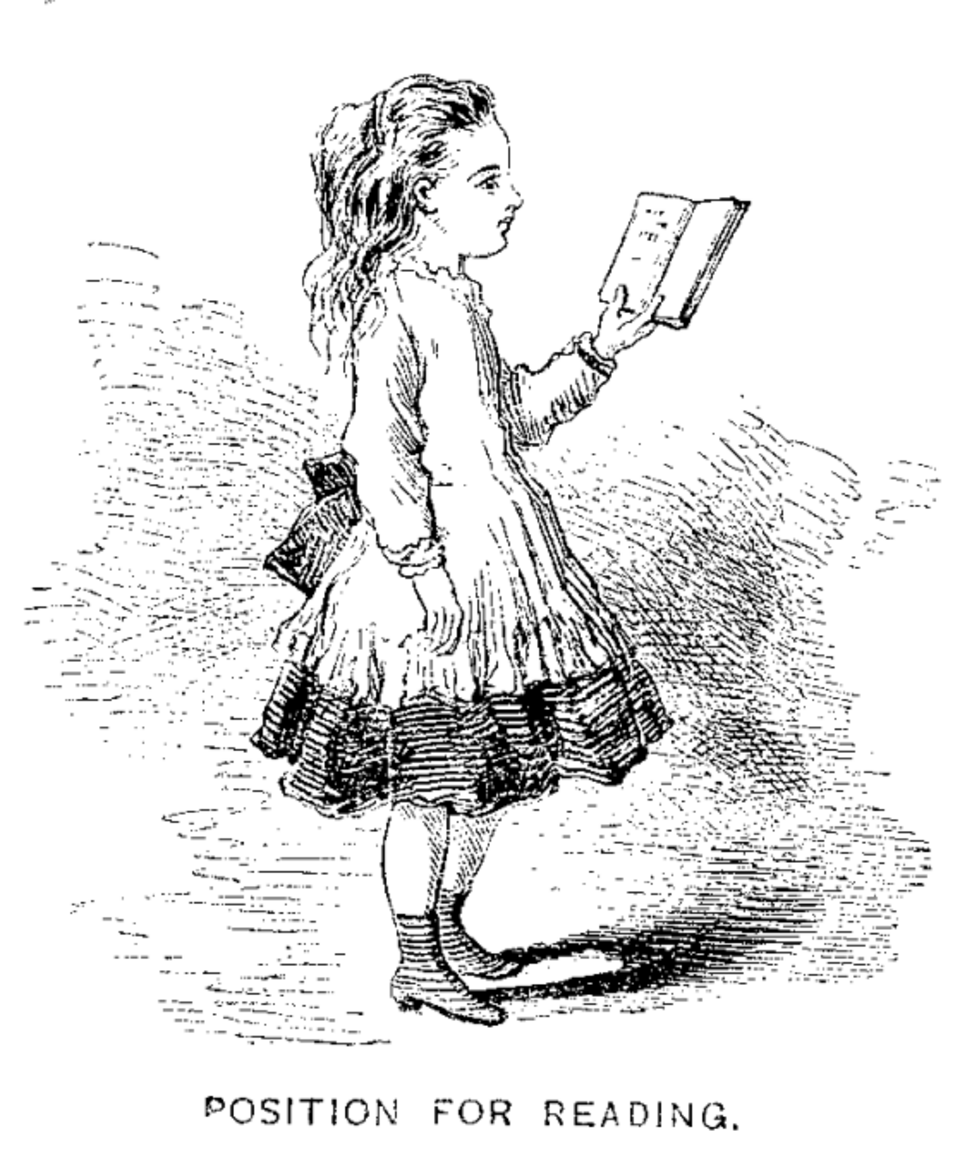
‘Position for Reading’ — an illustration from Lewis B. Monroe’s First Reader, showing the correct posture for a child to read from a book.
When reading—even in complete silence—the vocal tract, comprising the tongue, larynx, and facial muscles, engages in faint, automatic micro-contractions. Known as ‘subvocalisation’, this physiological mechanism reflects our reliance on internal auditory feedback to decode and interpret written language. As we process written text, we are essentially continuing to sound out words within our minds to decode their meaning, effectively generating internal speech without producing external acoustic sound.
14. Canada Holds Over Sixty Per Cent of the World’s Lakes
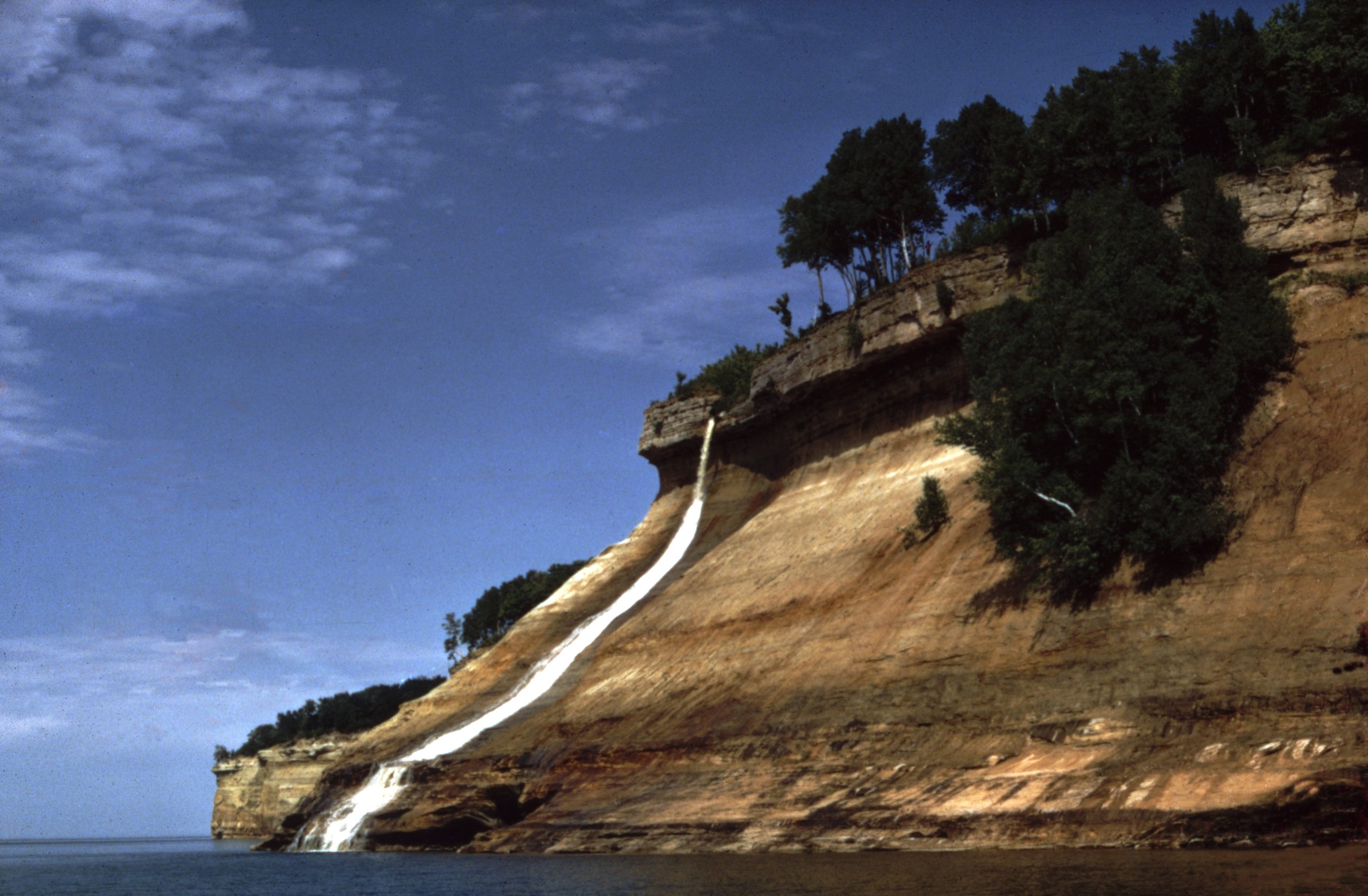
Bridalveil Falls emptying into Lake Superior. | Photo by National Park Service
When examining global hydrology, Canada’s geographical expanse is overwhelmingly defined by its lacustrine landscape. Holding over sixty per cent of the world’s natural lakes, the nation’s vast territory contains an estimated two million bodies of fresh water carved out by historic glacial activity. This extraordinary concentration of inland water accounts for nearly nine per cent of the total Canadian landmass, encompassing everything from expansive inland seas such as Great Bear Lake to vast, unmapped networks of northern waterways. Far exceeding simple topography, this sprawling hydrological abundance represents more than a fifth of the planet’s total surface freshwater reserves, standing as a defining ecological feature of the North American continent.
13. The First Movable Type Printing Press Was Invented by Johannes Gutenberg in 1440

An early wooden printing press, depicted in 1568. Such presses could produce up to 240 impressions per hour. | Illustration by Jost Amman
When surveying the milestones of human communication, few breakthroughs rival the introduction of the movable type printing press, developed by Johannes Gutenberg in Mainz around 1440. By combining hand-cast metallic alloy type, oil-based inks, and a re-engineered wooden screw press, Gutenberg introduced a standardised system that allowed written works to be reproduced with unprecedented speed, uniformity, and precision. Before this innovation, text transmission relied entirely upon meticulous hand-copying by scribes or crude block printing techniques, making books rare, costly luxuries restricted to elite institutions. Gutenberg’s mechanical synthesis drastically lowered the barriers to information, triggering a rapid democratisation of knowledge that fuelled the Renaissance, accelerated the Scientific Revolution, and permanently transformed the intellectual landscape of Western Europe.
12. Australia Is Wider Than the Moon
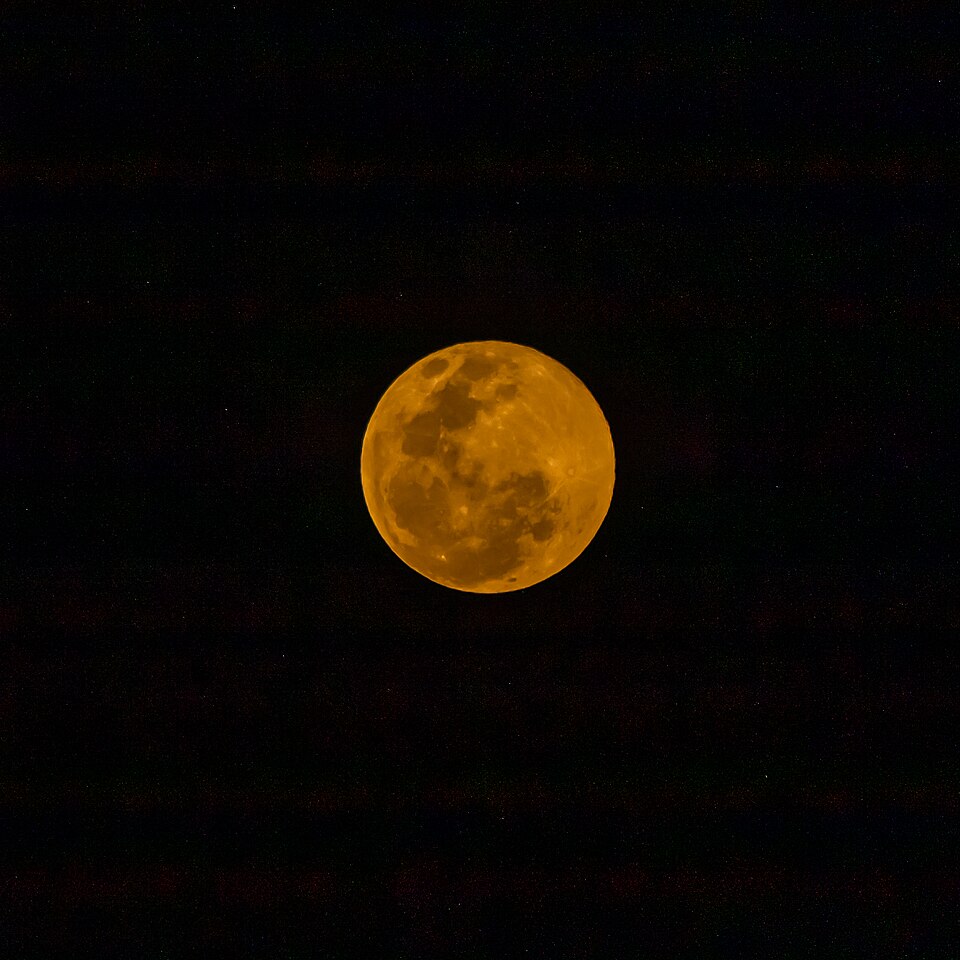
Harvest moon over 74 Sunbury Street, Geebung, Australia. | Photo by John Robert McPherson
When comparing terrestrial distances to astronomical bodies, Australia’s sheer physical scale presents a striking geographic reality. While the diameter of the moon measures approximately 3,400 kilometres, the east-to-west expanse of the Australian continent spans nearly 4,000 kilometres from Cape Byron in New South Wales to Steep Point in Western Australia. This vast stretch exceeds the lunar diameter by several hundred kilometres, highlighting the massive territorial footprint of the world’s smallest continent. Shaped by millions of years of tectonic stability and erosion, Australia’s expansive landmass encompasses diverse ecological zones—ranging from dense tropical rainforests along the northeastern coast to the arid expanse of the interior Outback—standing as an extraordinary expanse of continuous land on the Earth’s surface.
11. Tomatoes Have More Genes Than Humans

.
When evaluating genetic complexity, sheer organismal sophistication does not directly correlate with the size or density of a genome. Despite their seemingly humble biology, tomatoes (Solanum lycopersicum) possess approximately 31,000 individual genes, comfortably eclipsing the human genome, which contains roughly 20,000 to 25,000. Decoded by an international team of scientists in 2012, this vast genetic repertoire is largely the product of multiple whole-genome duplication events occurring tens of millions of years ago. These evolutionary duplications allowed the plant to preserve duplicate copies of essential genes, which subsequently mutated and specialized to control complex traits such as fleshy fruit ripening, nutrient synthesis, and heightened defense mechanisms against environmental pathogens.
10. The Only Miniature Book Museum in the World Is Located in Baku, Azerbaijan
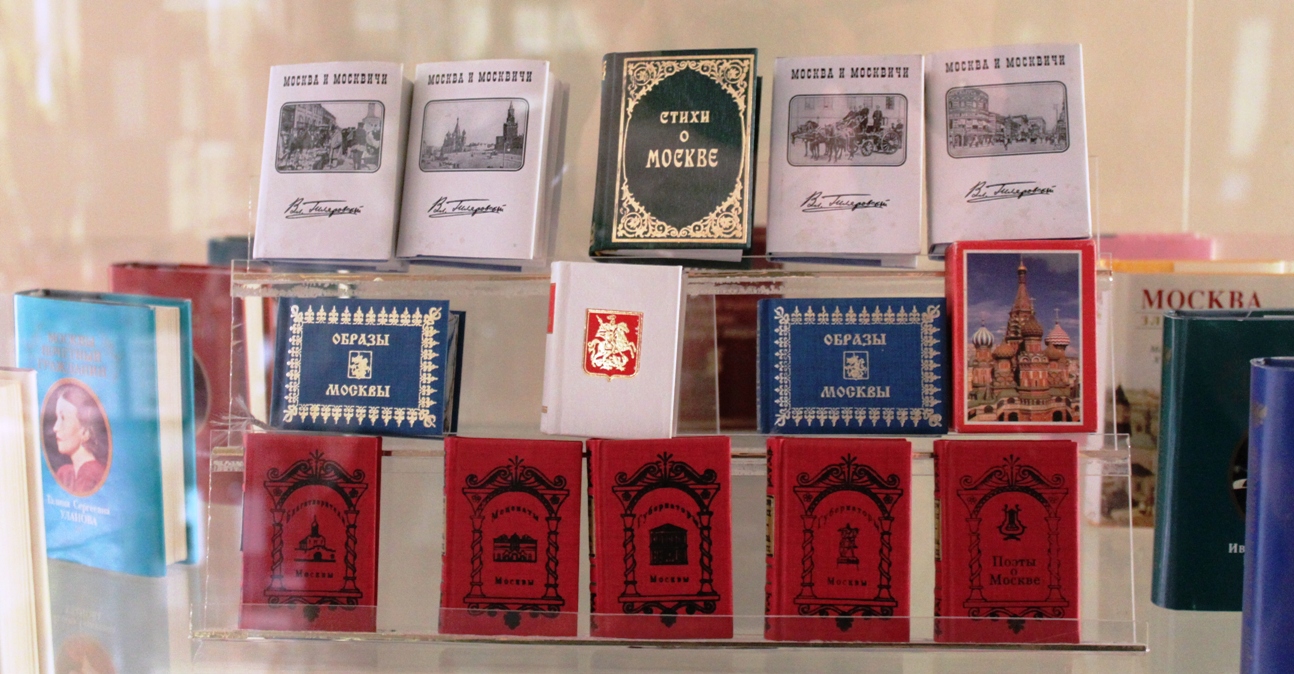
Exhibits at the Museum of Miniature Books in Baku. | Photo by Gulustan licensed under CC BY-SA 3.0
When considering specialized literary institutions, the Baku Museum of Miniature Books stands as an unparalleled achievement in architectural and bibliographic curation. Established in 2002 by Zarifa Salahova in the historic Inner City (Icherisheher) of Baku, Azerbaijan, it remains the only dedicated museum of miniature books anywhere in the world. The collection houses over 6,500 micro-volumes originating from 64 distinct countries, showcasing centuries of international printing mastery, intricate leather binding, and micro-illustration. Among its most remarkable exhibits are rare editions of classical Azerbaijani poetry, historical religious texts, and micro-miniatures measuring mere millimetres that require a magnifying glass to decipher. This extraordinary institution reflects a lifelong dedication to preserving the delicate craft of miniature bookmaking, offering a unique intersection of global publishing history and micro-artistry.
9. The Atacama Desert in South America Is the Driest Desert in the World
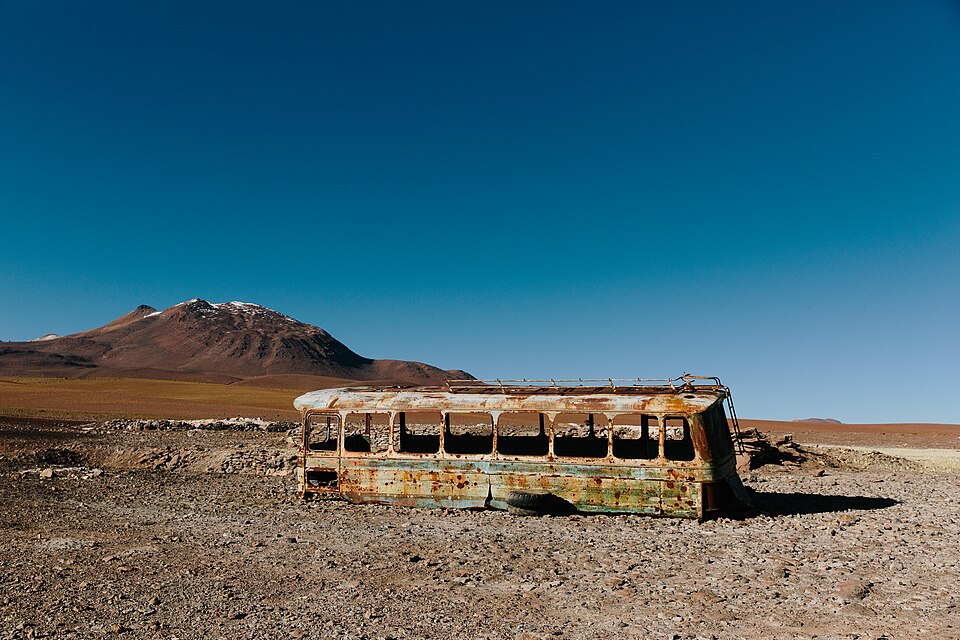
An abandoned bus in the Atacama Desert outside the oasis town of San Pedro de Atacama. | Photo by Pablo Garcia Saldaña
When examining the extreme environments of the planet, the Atacama Desert in South America stands as the driest non-polar desert on Earth. Hyper-arid conditions prevail across this high-altitude plateau, locked between the Chilean Coast Range and the Andes Mountains, where rain-shadow effects and cold ocean currents effectively block moisture accumulation. Comprehensive studies conducted by NASA have concluded that central regions of the desert experienced an extraordinarily prolonged hyper-arid epoch, receiving no significant rainfall for over four centuries between 1570 and 1971. Because of its extreme aridity, sterile soil composition, and intense solar radiation, the region presents atmospheric and soil conditions so hostile to organic life that space agencies regularly utilise its vast, barren terrain to simulate the hyper-arid surface conditions of Mars.
8. The First Powered Airplane Flew on 17 December 1903
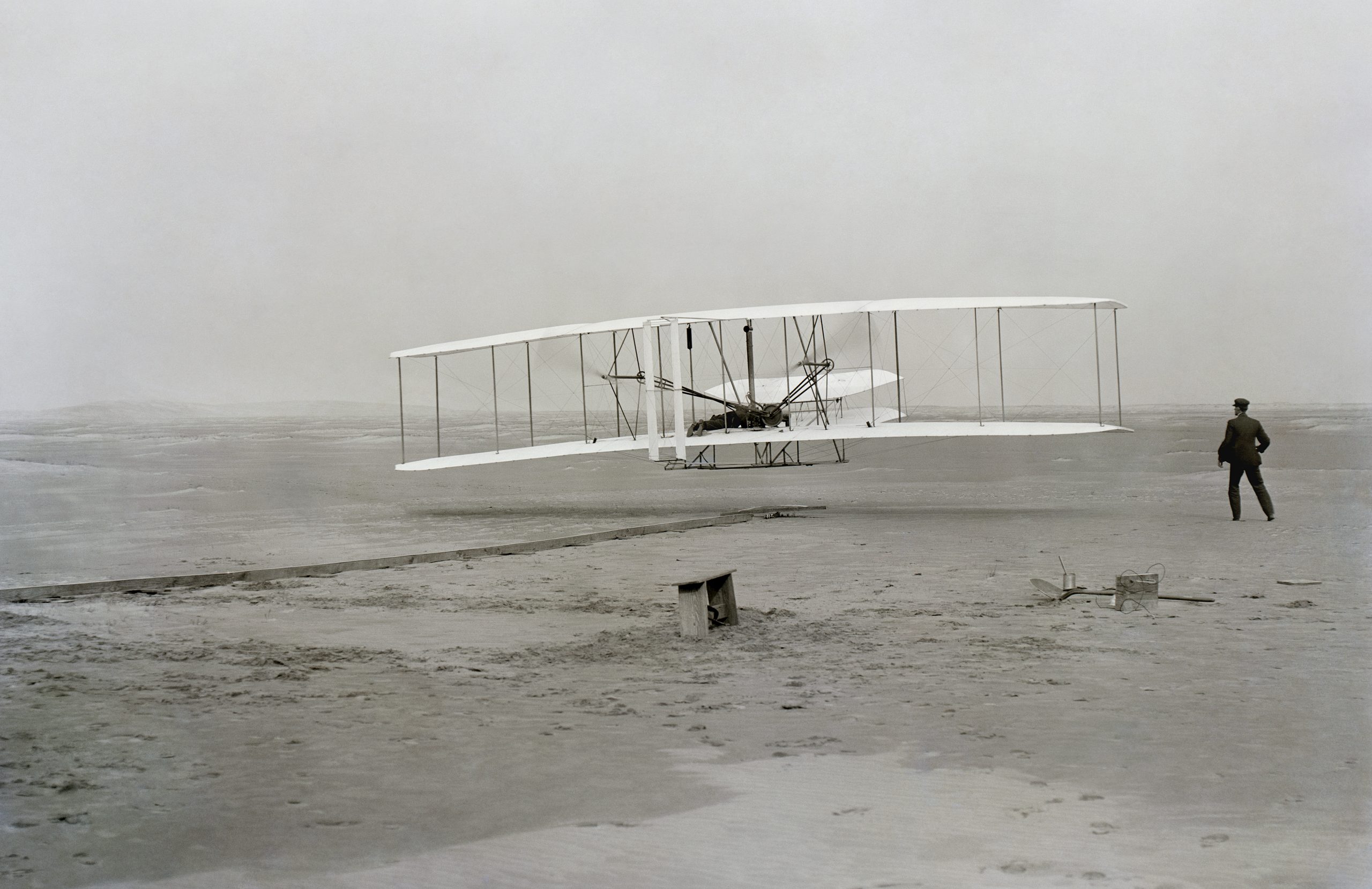
The first successful flight of the Wright Flyer, piloted by Orville Wright with Wilbur running alongside, at Kill Devil Hills, North Carolina, 17 December 1903.
When tracing the history of human aviation, few milestones hold greater significance than the breakthrough achieved by Wilbur and Orville Wright on 17 December 1903. Near the windswept dunes of Kitty Hawk, North Carolina, the brothers successfully executed four brief, controlled flights utilizing their custom-built, engine-powered aircraft, the Flyer. With Orville at the controls for the inaugural twelve-second flight covering just 120 feet, the brothers demonstrated for the first time that a heavier-than-air, motor-driven machine could achieve sustained, controlled flight under human pilotage. Built upon years of rigorous aerodynamic testing, custom propeller design, and three-axis control innovation, this brief series of flights forever transformed global transport and marked the dawn of the modern aeronautical age.
7. Some Species of Sharks Drown When They Stop Swimming
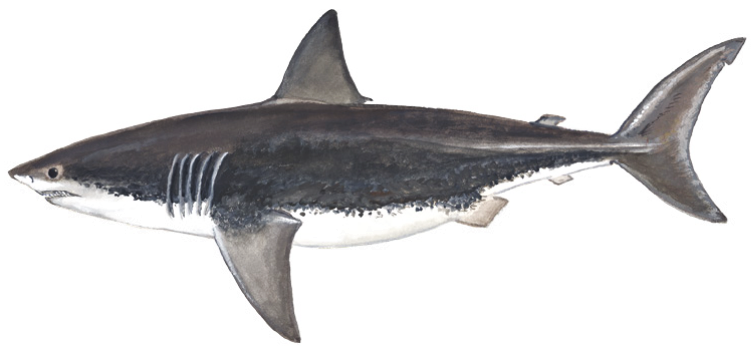
Illustration of a great white shark by Duane Raver.
When examining marine biology, the respiratory mechanisms across selachian species reveal a striking physiological divide. While many bottom-dwelling sharks utilise spiracles and buccal pumping to actively force water across their respiratory organs, certain pelagic species—including the great white, mako, and whale shark—rely entirely upon obligate ram ventilation. Lacking the necessary cranial musculature to actively pump oxygenated water over their gills, these continuous swimmers must maintain perpetual forward movement to force an unending stream of water through their open mouths and across their branchial filaments. Should these specific species cease swimming, the essential flow of oxygen collapses, leading swiftly to asphyxiation and drowning in their open-ocean environment.
6. The Shortest War in History Lasted 38 Minutes
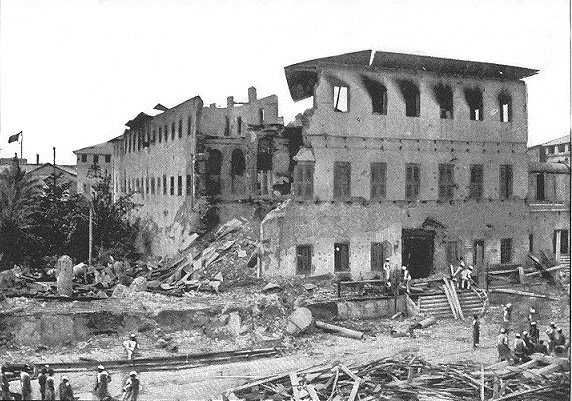
The destroyed palace and surrounding buildings in Stone Town, Zanzibar City, following the attack during the Anglo-Zanzibar War. | Photo by Richard Mohun
When surveying the history of international armed conflict, the Anglo-Zanzibar War of 27 August 1896 stands as the briefest recorded hostilities in human history. Triggered by the unexpected death of Pro-British Sultan Hamad bin Thuwaini and the subsequent unapproved accession of Sultan Khalid bin Barghash, the conflict erupted when British authorities delivered an ultimatum demanding Khalid’s immediate abdication. Upon the expiration of the deadline at 9:00 AM, Royal Navy warships stationed in Zanzibar Harbour opened fire, swiftly bombardment of the wooden Sultan’s palace and setting it ablaze. Facing devastating naval artillery, the defender forces sustained over 500 casualties while inflicting only a single injury on British personnel. Official fighting ceased after a mere 38 minutes when the Sultan’s flag was struck, ending the war and marking a decisive, swift demonstration of British colonial hegemony in East Africa.
5. Sudan Has More Pyramids Than Egypt
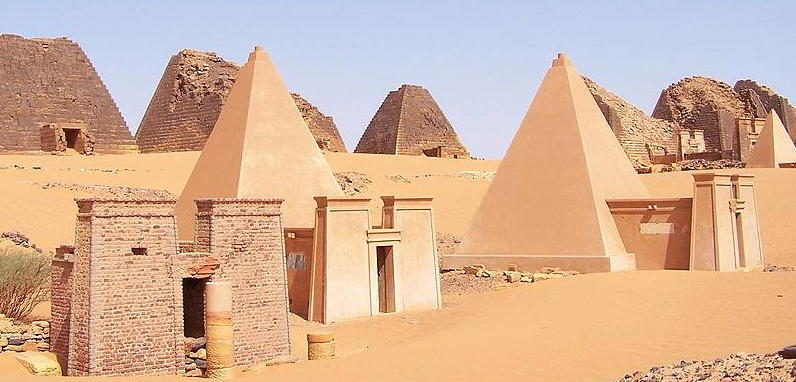
Wide view of the Nubian pyramids at Meroë; three of them have been reconstructed.
When examining the architectural monuments of the Nile Valley, the highest concentration of pyramids on Earth is located not in Egypt, but in modern-day Sudan. Across the ancient realm of the Kingdom of Kush, Nubian rulers constructed between 200 and 250 distinct pyramids, comfortably surpassing the roughly 138 identified across Egyptian territory. Concentrated predominantly around the royal necropolises of Meroë, Napata, and Nuri, these structures were erected as grand funerary monuments between 800 BC and AD 350. Distinct from their broader, earlier Egyptian precursors, Nubian pyramids feature steeper inclines, narrow bases, and decorative chapel forecourts, reflecting a unique synthesis of indigenous Kushite culture and adapted pharaonic traditions that dominated the region for over a millennium.
4. Tug of War Was an Official Olympic Sport From 1900 to 1920
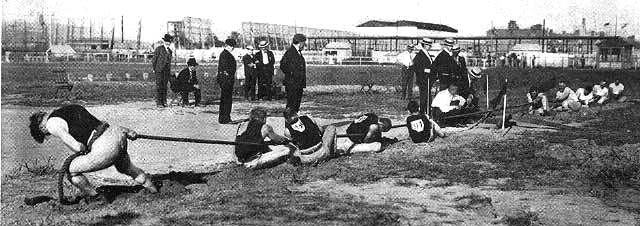
Tug of war competition at the 1904 Summer Olympics.
When examining the evolution of the modern Olympic Games, several discontinued disciplines reveal the starkly different athletic priorities of the early twentieth century. Chief among these was tug of war, which featured as an official medal sport across five consecutive Summer Olympic Games between 1900 and 1920. Contested as a track and field event, the competition pitted clubs or nations against one another in a direct trial of pulling strength, where victory was secured by dragging the opposing six- or eight-man team six feet forward. Notably, because entries were initially organised by athletic clubs rather than unified national Olympic committees, a combined Swedish-Danish squad secured the inaugural gold medal at the 1900 Paris Games. The event was eventually dropped from the Olympic programme following the 1920 Antwerp Games as the International Olympic Committee sought to streamline the schedule and reduce the sheer number of participating athletes.
3. Vincent van Gogh Sold Only One Painting During His Lifetime
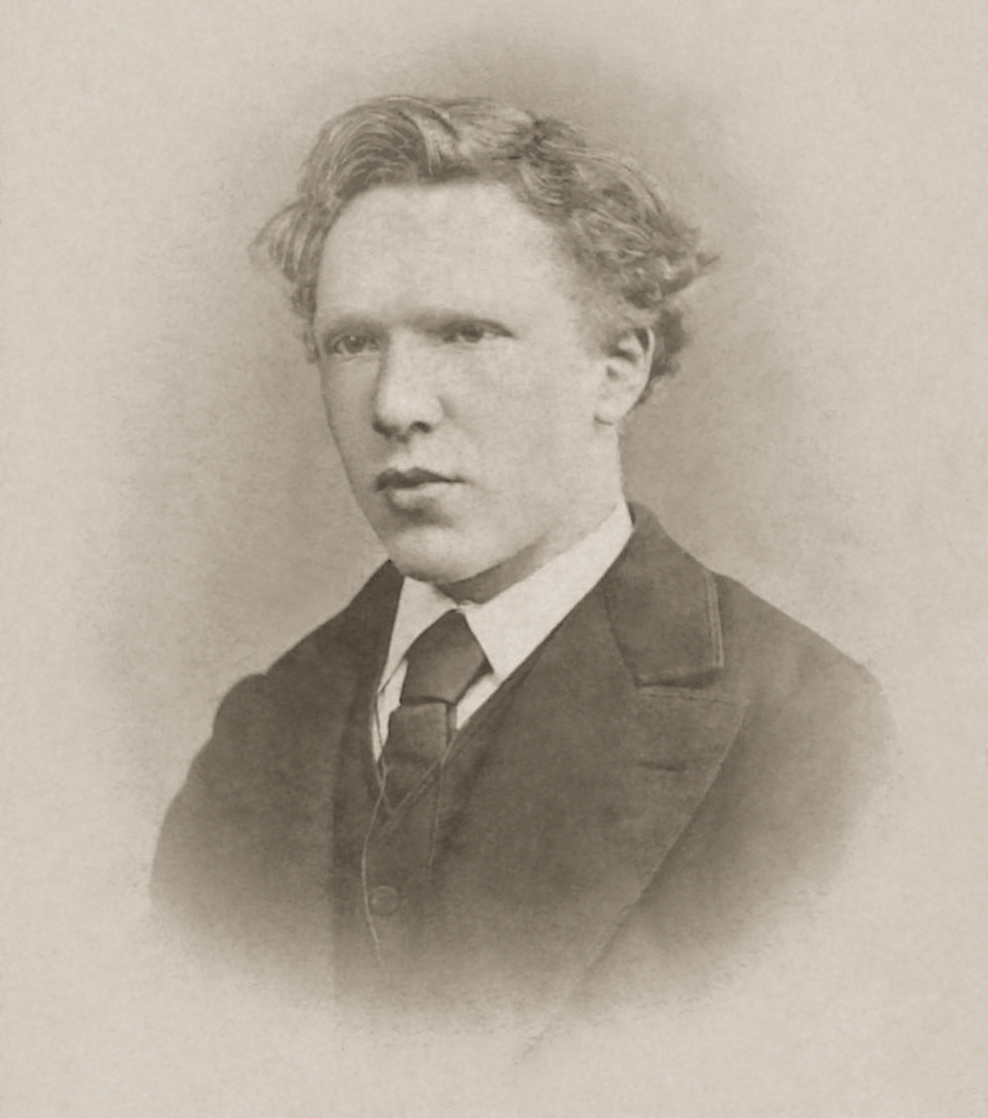
Vincent van Gogh at the age of 19.
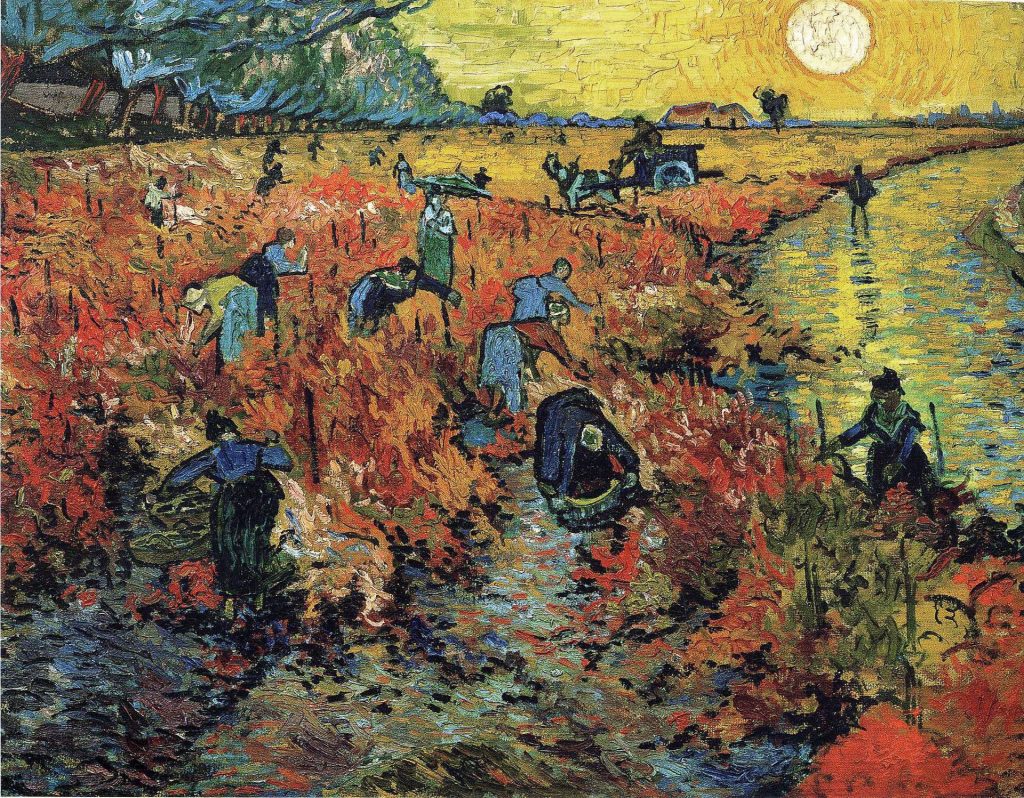
When evaluating the commercial fortune of nineteenth-century post-Impressionists, the tragic trajectory of Vincent van Gogh stands as one of art history’s most famous paradoxes. Despite producing over two thousand artworks during his brief, prolific career, van Gogh only officially documented the sale of a single canvas during his lifetime: The Red Vineyard at Arles (La Vigne Rouge). Painted in November 1888 amidst the vibrant landscapes of Provence, the masterpiece captures labourers harvesting grapes against a glowing late-afternoon sky. The painting was purchased in early 1890 at the Les XX exhibition in Brussels by Belgian painter and patron Anna Boch for four hundred French francs. Following various private exchanges and post-revolutionary state nationalisation, this solitary commercial success of van Gogh’s living career eventually found its permanent home in the Pushkin State Museum of Fine Arts in Moscow, Russia.
2. Competitive Art Was Once an Official Olympic Sport
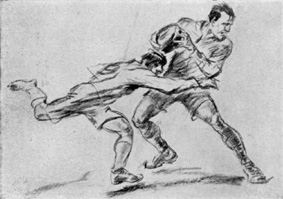
Jean Jacoby is the only artist to win two gold medals. He won his second with the above drawing, titled Rugby.
When reflecting upon the historical scope of the Olympic Movement, the modern separation between elite athletics and artistic creation was not always a defining feature of the Games. Between 1912 and 1948, the Olympic Games awarded official medals across five creative disciplines: architecture, literature, music, painting, and sculpture. Championed by Pierre de Coubertin, founder of the International Olympic Committee, these ‘Pentathlon of the Muses’ competitions required all submitted works to be entirely original and directly inspired by the concept of sport. Over thirty-six years, hundreds of artists participated, with prominent figures securing Olympic accolades alongside traditional track and field competitors. The practice was ultimately abandoned after the 1948 London Games, as strict Olympic amateurism rules clashed with the realities of professional artists selling their creative works for commercial gain.
1. Neil Armstrong’s Hair Was Sold Without His Permission for $3,000
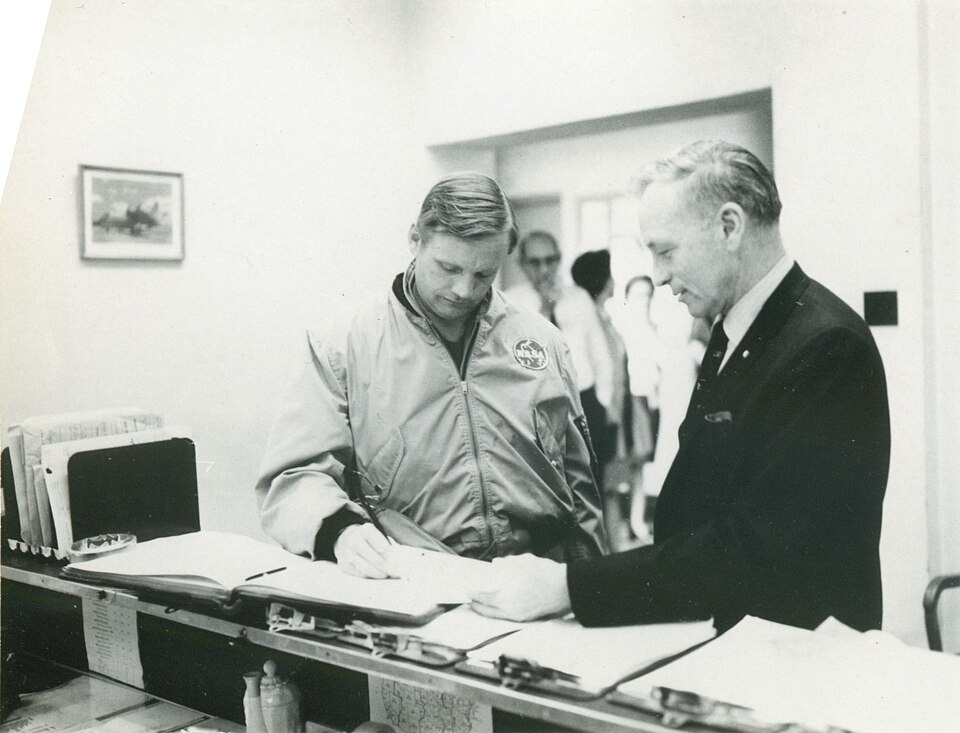
Neil Armstrong with Jack Reeder.
When examining the unconventional secondary markets for historic memorabilia, the post-NASA privacy of Neil Armstrong highlights the extraordinary lengths to which celebrity artifact collecting can extend. In May 2004, Marx Sizemore, the longtime barber of the first man on the moon in Lebanon, Ohio, quietly gathered Armstrong’s hair clippings from his shop floor and sold them to a prominent memorabilia collector for $3,000 without the astronaut’s knowledge or consent. Upon discovering the unauthorized transaction the following year, Armstrong threatened legal action under an Ohio law designed to protect famous individuals from unauthorized commercial exploitation of their likeness and personal physical property. Faced with the prospect of a lawsuit and unable to retrieve the hair from the buyer, the barber avoided litigation by donating the full $3,000 proceeds to a charitable cause designated by Armstrong.