I Don’t Drink Coffee, I Take Tea My Dear, But Which Tea?
Become a tea master like Uncle Iroh: 4 classic blends explained.
I Don’t Drink Coffee, I Take Tea My Dear, But Which Tea?
After reading this article, just like Uncle Iroh from Avatar: The Last Airbender knows everything about tea, you too will know everything about the 4 most commonly consumed blended tea varieties.
By Yusif Babayev
Published: 1 August 2025
By Yusif Babayev
Published: 1 August 2025
As Sting says in his song, ‘I don’t drink coffee, I take tea, my dear.’ But with so many options – from black to hibiscus – how do you know which tea to choose for your health? There are hundreds, even thousands, of different types of tea in the world. Of course, it is not possible to talk about all of them in a single article. So, I chose the four most commonly consumed blended teas. Rest assured, after reading this article, just like Uncle Iroh from Avatar: The Last Airbender, you too will know everything about the four most commonly consumed blended tea varieties.
4. Jasmine Tea
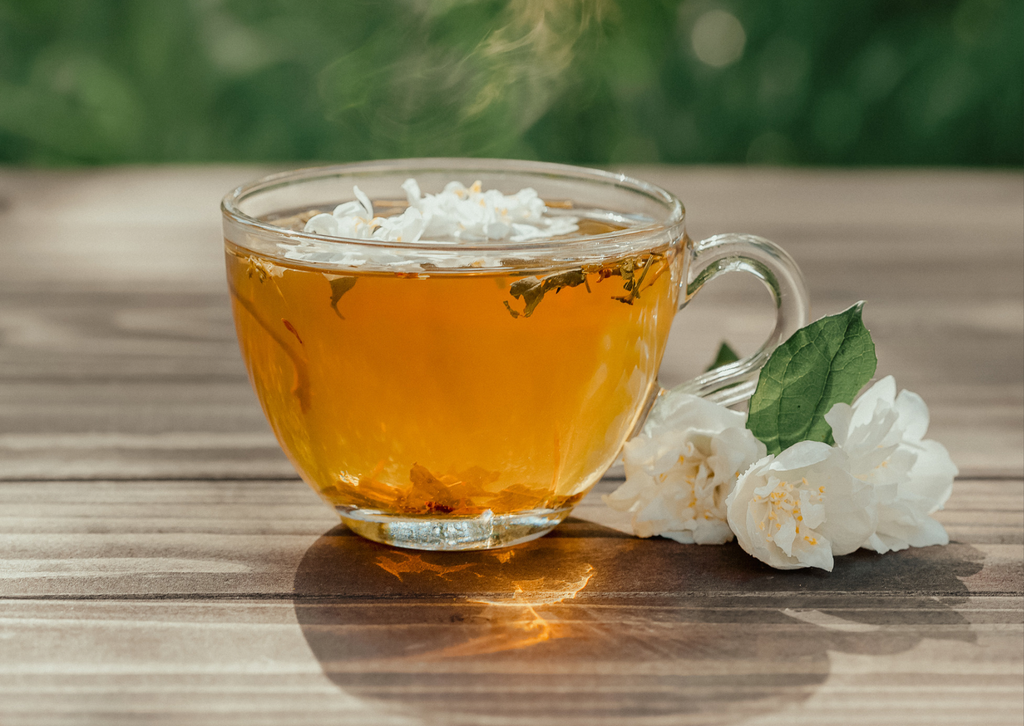
Let’s start with Uncle Iroh’s favourite tea – jasmine tea. Jasmine tea has its origins in China. It is believed to have first been used during the Song Dynasty (960–1279), but its most widespread production increased during the Ming Dynasty (1368–1644) and the Qing Dynasty (1644–1912). Jasmine tea is not actually a type of tea on its own – it is made by blending green, white, or oolong tea leaves with jasmine flowers. The jasmine blossoms are added fresh into the tea so that the leaves absorb the flower’s aroma. The countries that consume it the most are China (especially the Fujian region), Taiwan, and Japan. In recent years, health and wellness trends have increased jasmine tea consumption in the US and Europe as well, although it is not as widespread there as it is in East Asian countries.
How to Prepare It
Ingredients:
- 1 tsp loose jasmine tea (or 1 jasmine tea bag)
- 1 cup (200 ml) freshly boiled water
Instructions:
- Boil the water: Use fresh, clean water and bring it to the boil.
- Let it cool slightly: Allow the water to cool to about 70–80°C (158–176°F). If the base is green tea, overly hot water can make the tea taste bitter.
- Steep the tea: Place the jasmine tea in a teapot or cup and pour the hot water over it.
- Steeping time: Let it steep for 2–3 minutes. Brewing for too long can cause a bitter taste.
- Strain or remove the bag: If using a tea bag, remove it; if using loose tea, strain it.
- Optional additions: Sweeten with honey, lemon, or sugar if desired.
3. Masala Chai
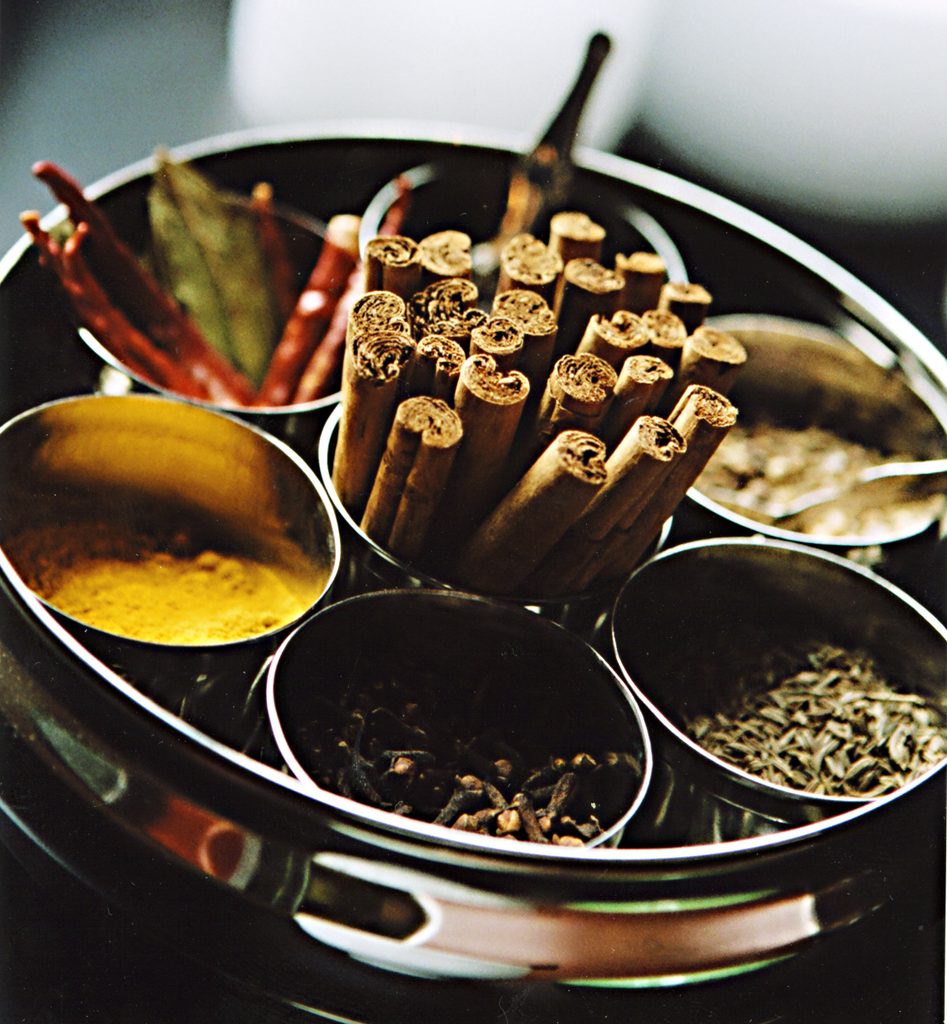
A traditional spice tin (masala dabba) holding the typical ingredients for masala chai — cinnamon sticks, cloves, turmeric, cumin, bay leaves, and dried chillies. | Photo by Kris Krug, licensed under CC BY-SA 2.0
In the 19th century, during British colonial rule, tea was introduced from China to India. However, the locals did not initially enjoy this plain black beverage. To make it more appealing to their taste, they began blending it with spices – creating a uniquely Indian tea. The word ‘Masala’ means ‘spice mix’ in Hindi, and ‘Chai’ simply means ‘tea’. The addition of spices not only enhanced the flavour but was also believed to offer various health benefits.
The widespread consumption of Masala Chai began in the early 20th century and quickly gained popularity throughout India. One reason for its mass appeal was the presence of chaiwalas (street tea vendors) – you may recall them from the film Slumdog Millionaire. These vendors helped make this aromatic tea a staple among the general population. Today, Masala Chai is an integral part of daily life in South Asian countries such as India, Nepal, and Pakistan. Its global popularity has grown thanks to the South Asian diaspora and the inclusion of masala chai lattes in major café chains around the world.
Today, Masala Chai is most widely consumed in India, where nearly every household and street corner has its own version of the recipe. Its popularity is also growing in countries like the US, Canada, and the UK, especially among consumers who seek natural flavours and healthy alternatives. Chains such as Starbucks have helped spread it globally by introducing modern versions like the masala chai latte.
How to Prepare It
Masala Chai can be made with countless spice variations, depending on the region or family tradition. Here is a balanced and delicious traditional version you can easily prepare at home:
Ingredients (Serves 2):
- 2 cups water
- 1 cup milk (full-fat, low-fat, or plant-based—your choice)
- 2 teaspoons black tea (Assam or Ceylon recommended)
- 2–3 cardamom pods
- 1 clove
- A small piece of fresh ginger (or ½ tsp ground ginger)
- ½ stick of cinnamon
- 2–3 black peppercorns (optional)
- 1–2 teaspoons sugar (adjust to taste)
Instructions:
- Crush the spices: Lightly crush the cardamom, clove, and peppercorns with a mortar and pestle to release their aromas.
- Boil water with spices: Add water to a pot. Add the crushed spices and freshly grated ginger. Let it simmer on low heat for 3–5 minutes.
- Add the tea: Add the black tea to the boiling mixture and let it steep for another 2–3 minutes.
- Add milk and sugar: Pour in the milk and add the sugar. Bring the mixture to a gentle boil again (about 2–3 minutes).
- Strain and serve: Use a fine strainer to pour the tea into cups. Serve hot.
2. English Breakfast
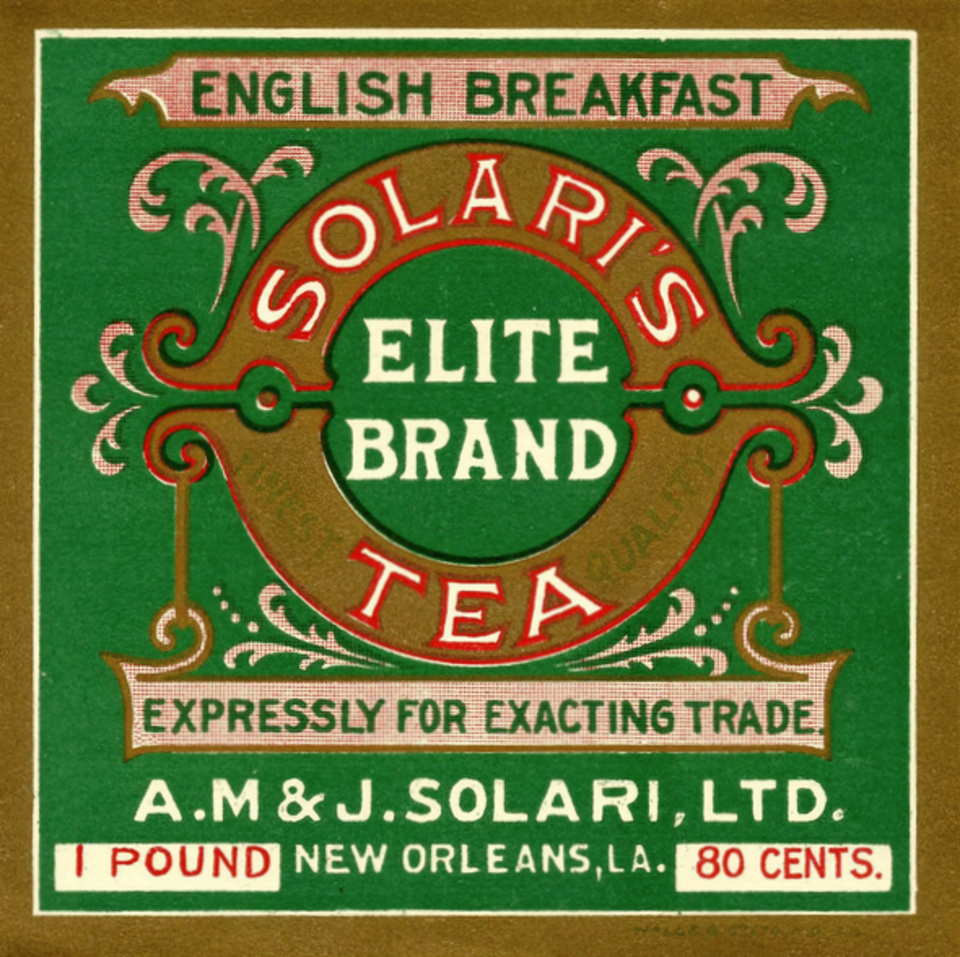
Vintage label for Solari’s Elite Brand English Breakfast Tea, A.M & J. Solari, Ltd., New Orleans.
The exact origins of English Breakfast tea are not fully documented, but it is generally accepted that it emerged in the United Kingdom in the mid-19th century. The most popular theory credits a Scottish tea merchant named Robert Drysdale, who, in the 1840s, blended strong black teas – such as Assam – to suit the robust tastes of the English, particularly for a bold morning brew. He named the blend ‘Breakfast Tea’, which was later marketed in London tea shops as ‘English Breakfast’. Some sources suggest the name ‘English’ was actually added later when the tea gained popularity in the United States, especially in New York.
Its widespread consumption paralleled the rise of tea culture during the reign of Queen Victoria. Thanks to its rich flavour and strength – qualities perfect for pairing with milk and sugar – English Breakfast quickly became a breakfast staple. The blend also gained favour in British colonies, where the inclusion of teas from India and Sri Lanka enhanced its complexity. Over time, this classic tea found its way into the menus of tea houses, hotels, and breakfast restaurants around the world.
Today, English Breakfast is most commonly consumed in the United Kingdom, but it is also very popular in Australia, Canada, and the US. For those who want to start the day with vigour, this timeless and traditional blend remains a top choice. It is produced by nearly every major international tea brand and is widely exported.
How to Prepare It
Ingredients:
- 1 tsp loose English Breakfast tea (or 1 tea bag)
- 1 cup (about 240 ml) freshly boiled water (90–100°C / 194–212°F)
- Optional: milk, sugar, honey, or lemon (to taste)
Instructions:
- Boil the water: Bring fresh water to a rolling boil. English Breakfast tea requires hot water to release its full flavour.
- Pre-warm the cup or teapot (optional): Pour a little hot water into your mug or teapot and swirl it around. This keeps the brewing temperature consistent. Discard the water.
- Add the tea: If using loose tea, add 1 tsp of tea per cup to a teapot or infuser. If using a tea bag, place 1 bag in your mug or teapot.
- Pour the water: Pour the hot water over the tea leaves or tea bag.
- Steep: Let it steep for 3–5 minutes. Three minutes gives a milder brew, while five minutes makes it stronger and more robust (do not over-steep – it may become bitter).
- Remove the tea leaves/bag: Take out the tea bag or strain the leaves.
- Customise: Add milk for a traditional British touch. Sweeten with sugar or honey, if desired. Some prefer a slice of lemon, but avoid combining lemon with milk as it will curdle.
1. Earl Grey
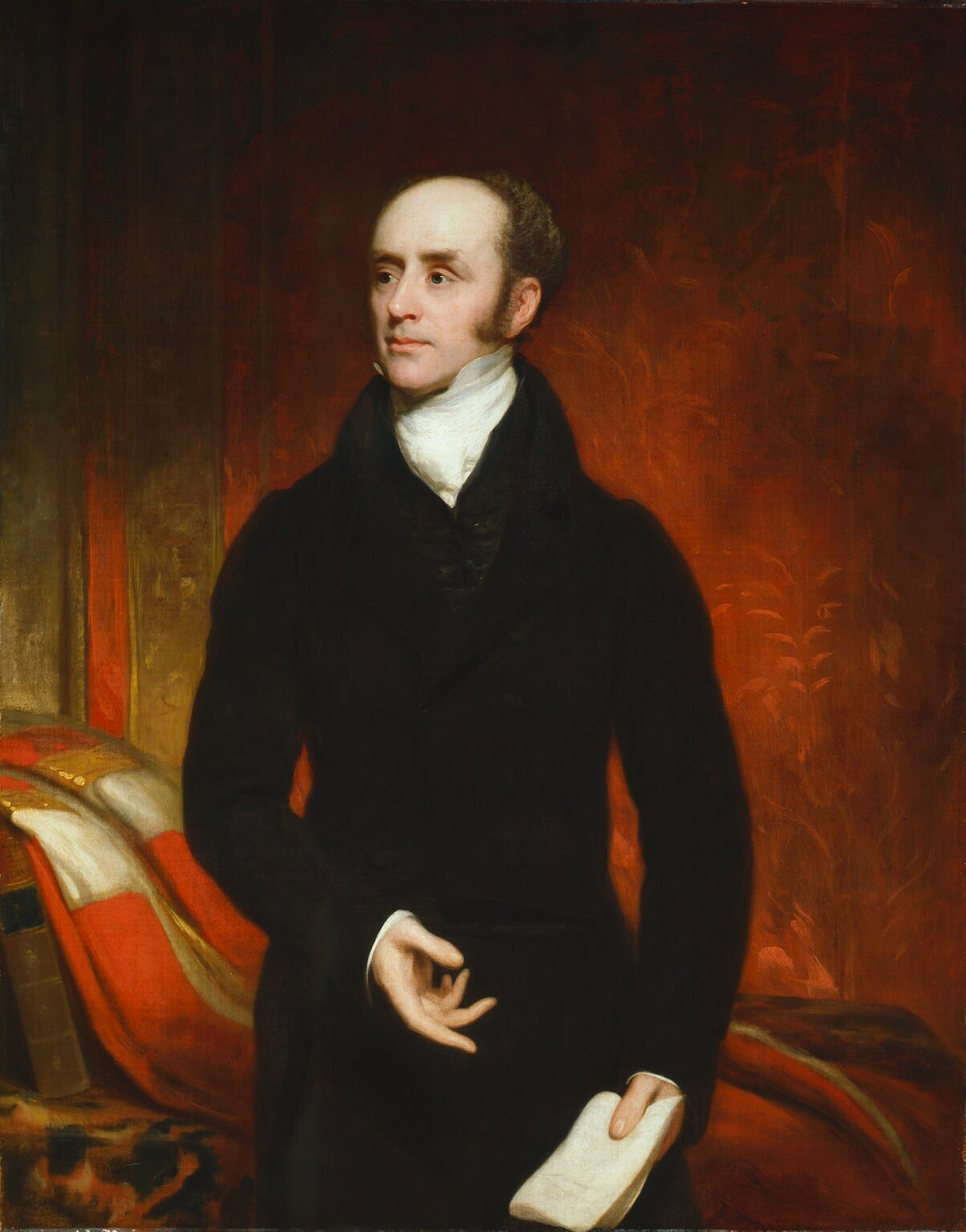
Oil portrait of Charles Grey, 2nd Earl Grey (1764–1845), painted by Thomas Phillips in 1820. Serving as British Prime Minister from 1830 to 1834, he remains the most probable namesake of the famous bergamot-infused tea.
Earl Grey, one of the most widely consumed blended teas, is named after the British Prime Minister Charles Grey, who held the title of ‘2nd Earl Grey’ during the 1830s. According to one legend, a companion of Charles Grey was hosted by a Mandarin – a high-ranking Chinese official – during a visit to China. As a token of gratitude, this person gifted the Grey family a black tea flavoured with bergamot essence. The family found the aroma so pleasing that they commenced production in England.
There are alternative theories regarding the origin of this tea. One theory posits that teas imported to England at that time were mixed with bergamot oil to prevent spoilage during long sea voyages, which inadvertently gave the tea its distinctive citrus character. The Grey family commercialised the recipe, and brands such as Twinings helped make it popular.
Earl Grey tea typically uses black tea – such as Assam, Ceylon, or Darjeeling – as its base. The signature aroma is derived from natural essential oil or flavouring from the bergamot orange (Citrus bergamia). Modern variations include Green Earl Grey, Rooibos Earl Grey, and the citrus-heavy Lady Grey. As one might anticipate, this tea remains most popular in the United Kingdom, followed by the US and Canada.
How to Prepare
Classic Brewing
Ingredients:
- 1 tsp loose Earl Grey tea (or 1 tea bag)
- Freshly boiled water at 90–95°C (194–203°F)
- Optional: honey, lemon, or milk (to taste)
Instructions:
- Brewing: Place 1 tsp of tea (or 1 tea bag) into a cup or teapot and pour over water heated to 90–95°C.
- Steeping: Allow the tea to steep for 3–5 minutes depending on desired strength.
- Finish: Remove the leaves or tea bag. Add honey, a slice of lemon, or a splash of milk to taste.
London Fog (Earl Grey Latte)
Ingredients:
- 1 Earl Grey tea bag (or 1 tsp loose tea brewed strong in 120 ml hot water)
- 1 cup (240 ml) hot, frothed milk
- 1 tsp vanilla extract
- 1 tsp honey or sugar
Instructions:
- Steep strong base: Steep the Earl Grey tea bag in 120 ml of off-the-boil water for 5 minutes to create a concentrated tea base.
- Combine: Stir in the vanilla extract and honey or sugar until fully dissolved.
- Top with milk: Pour in the warm, frothed milk and top with a thick layer of foam. This beverage has gained widespread popularity in recent years across major coffee house chains such as Starbucks.
This mixture has gained widespread popularity in recent years across major coffee house chains such as Starbucks.
Whether you prefer the floral aroma of jasmine, the spicy warmth of masala chai, the bold strength of English Breakfast, or the citrusy elegance of Earl Grey, there is a blended tea to suit every taste and occasion. These four beloved varieties have travelled across cultures and centuries to become staples in teapots around the world – valued not only for their flavour, but also for their rich histories and health benefits.
Thus, the next time you brew a cup, take a moment to appreciate not just the taste, but the tradition behind it. In the wise words of Uncle Iroh, ‘Sharing tea with a fascinating stranger is one of life’s true delights.’ Cheers to discovering your perfect blend.