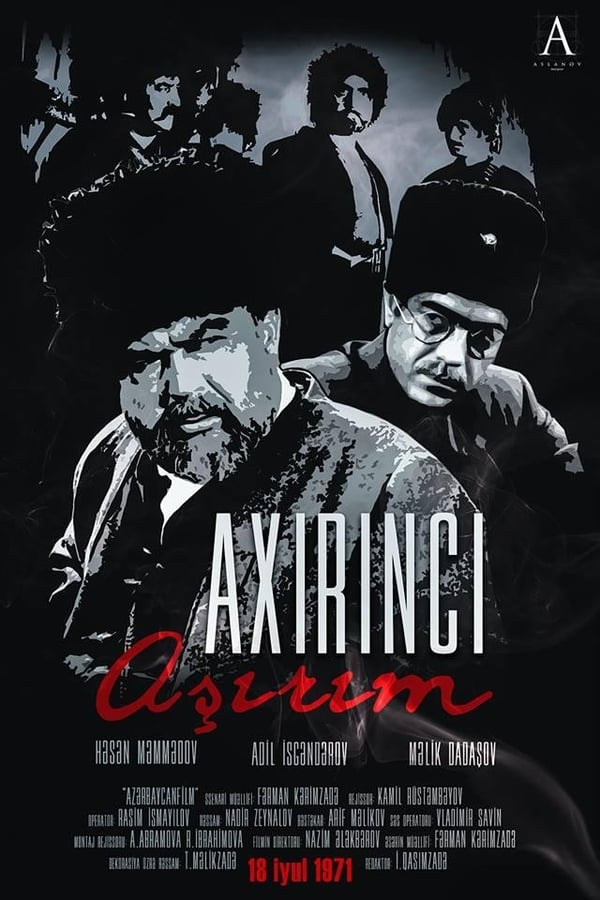
The Making of the Last Pass
The story behind the film — and the real men behind the story.
By Yusif Babayev
Published: 15 September 2026
The Making Of The Last Pass
The story behind the film — and the real men behind the story.
By Yusif Babayev
Published: 15 September 2026
There is a list of films that you can watch over and over again without getting bored. That list isn’t exactly the same for everyone; most of the time the main structure of the list stays still and one or two films differ. In my list, The Last Pass is one of the films that differs.
Before shooting began on The Last Pass (Axırıncı Aşırım), Kamil Rüstəmbəyov had been appointed director of My Seven Sons (Yeddi Oğul İstərəm). Having started the screen tests, Rüstəmbəyov wanted to cast the head of the studio, Adil İsgəndərov, in the role of Gəray bəy, and he had also picked Rasim Balayev for the part of Cəlal. Then, for a reason that is still unknown, the studio took the film away from Rüstəmbəyov and handed it to Tofiq Tağızadə. Once Tağızadə came in, he approved Ənvər Həsənov from his own team for Cəlal, and Rasim Balayev was left out of the film altogether. Gəray bəy, meanwhile, was played by Həsənağa Turabov — on Adil İsgəndərov’s own suggestion.
A few months later, the writer Fərman Kərimzadə finished his novel The Snowy Pass (Qarlı Aşırım). The moment it was done, the novel was put in front of Adil İsgəndərov. He thought highly of it and advised that a screenplay be written from it. He wanted to give that screenplay to Rüstəmbəyov. The decision to hand him the film was also meant as a way of giving him back what he was owed. According to Əbdül Mahmudov, İsgəndərov called Rüstəmbəyov in and said: “Kamil, my dear, whatever happened has happened, to hell with it — take the book, and may God make your work go well.”
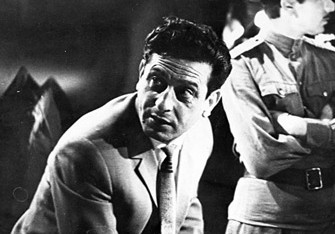
The film was going to carry the same title as the novel, but during the discussion at the Artistic Council it was changed from The Snowy Pass to The Last Pass, because there was so little time allotted for the shoot. If the film had been called The Snowy Pass, snow-laden landscapes would have been required. That meant extra trouble and far too much time.
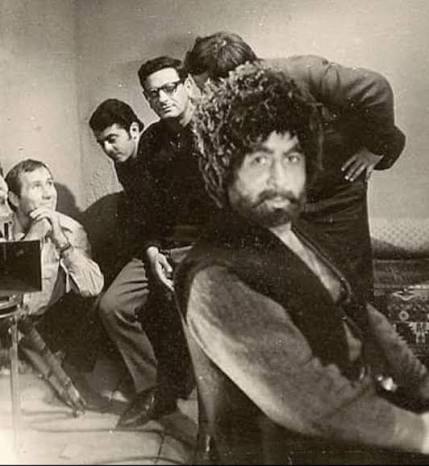
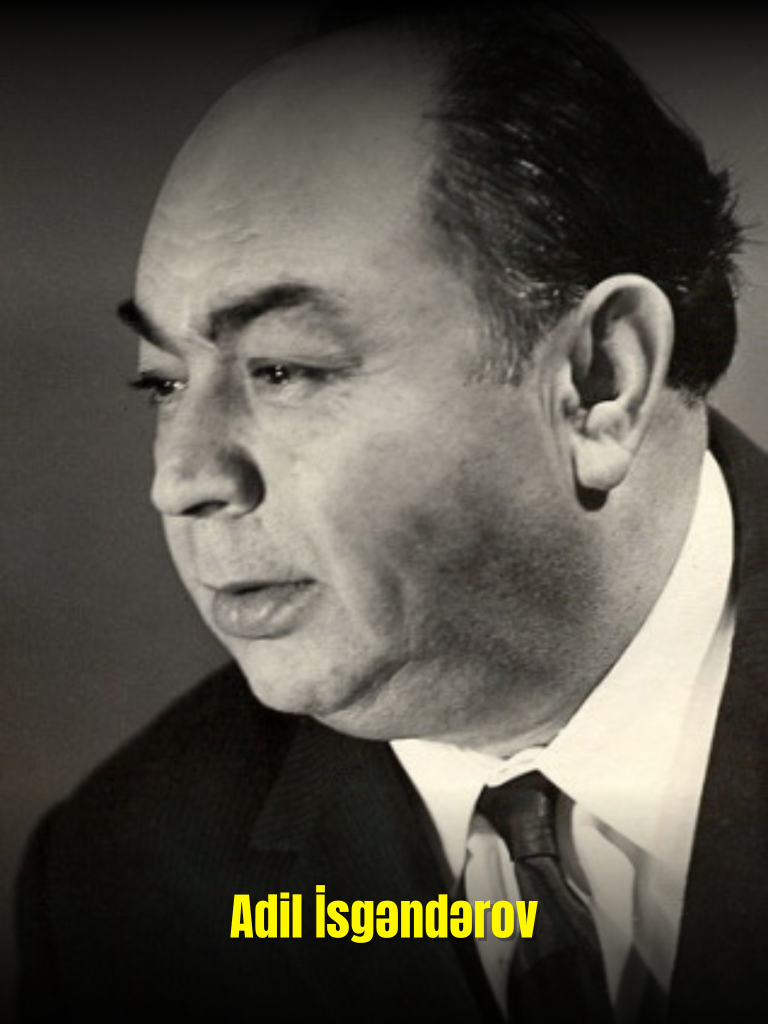
When Rüstəmbəyov began work on The Last Pass, he invited most of the actors he had approved for My Seven Sons — Həsən Məmmədov, Həsənağa Turabov, Hamlet Xanızadə, Əbdül Mahmudov, Şahmar Ələkbərov — onto this film. Adil İsgəndərov, whom he had wanted for Gəray bəy in My Seven Sons, here took on the role of Kərbəlayı İsmayıl. Although Adil İsgəndərov, the head of the studio, would be working as an actor under a director who reported to him, he said to Rüstəmbəyov before filming began: “My dear fellow, for as long as the shoot lasts — I’m the actor, you’re the director.” The cast was completed by Məlik Dadaşov, who gave an unbelievable performance as Qəmlo.
Cast
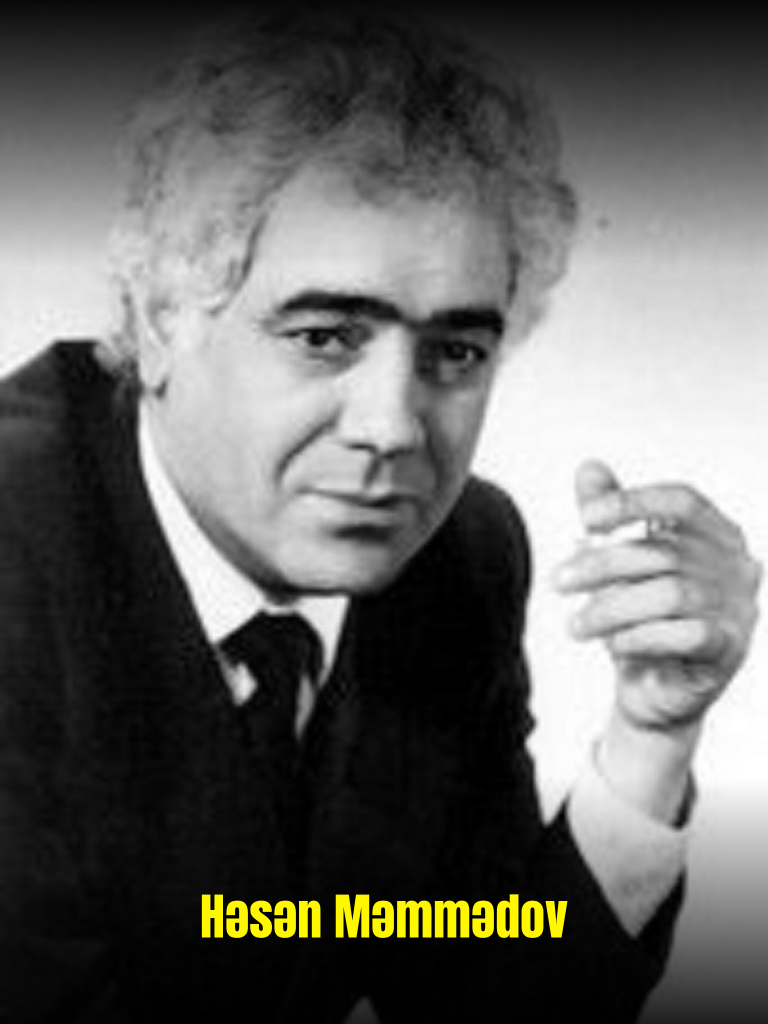
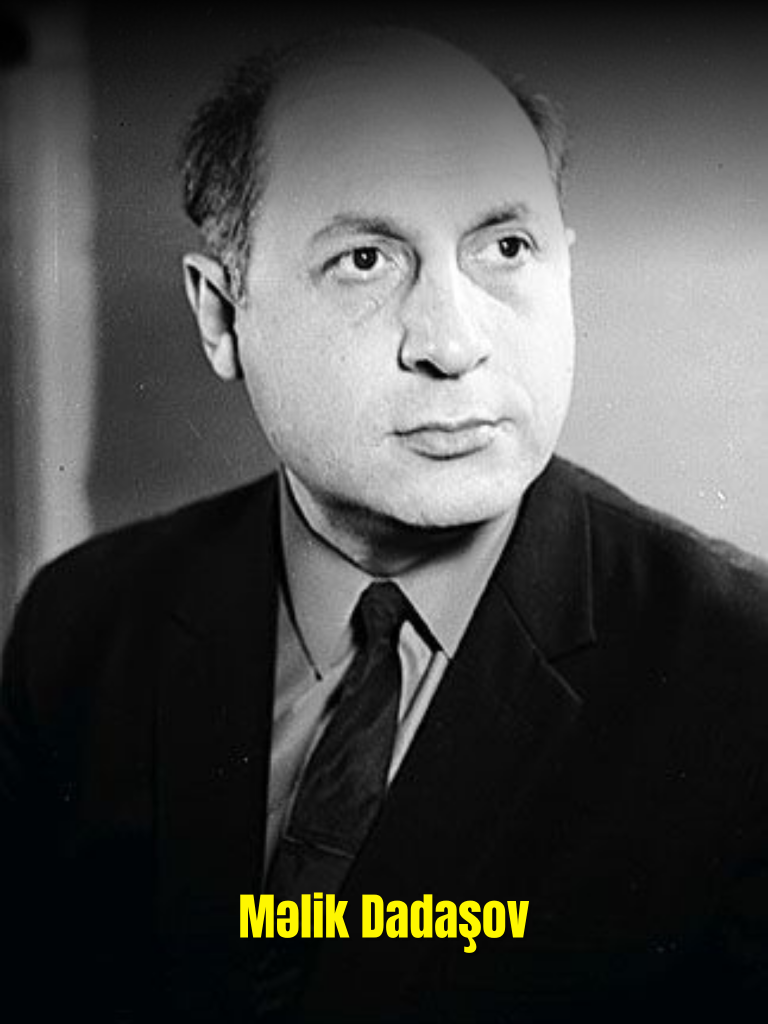
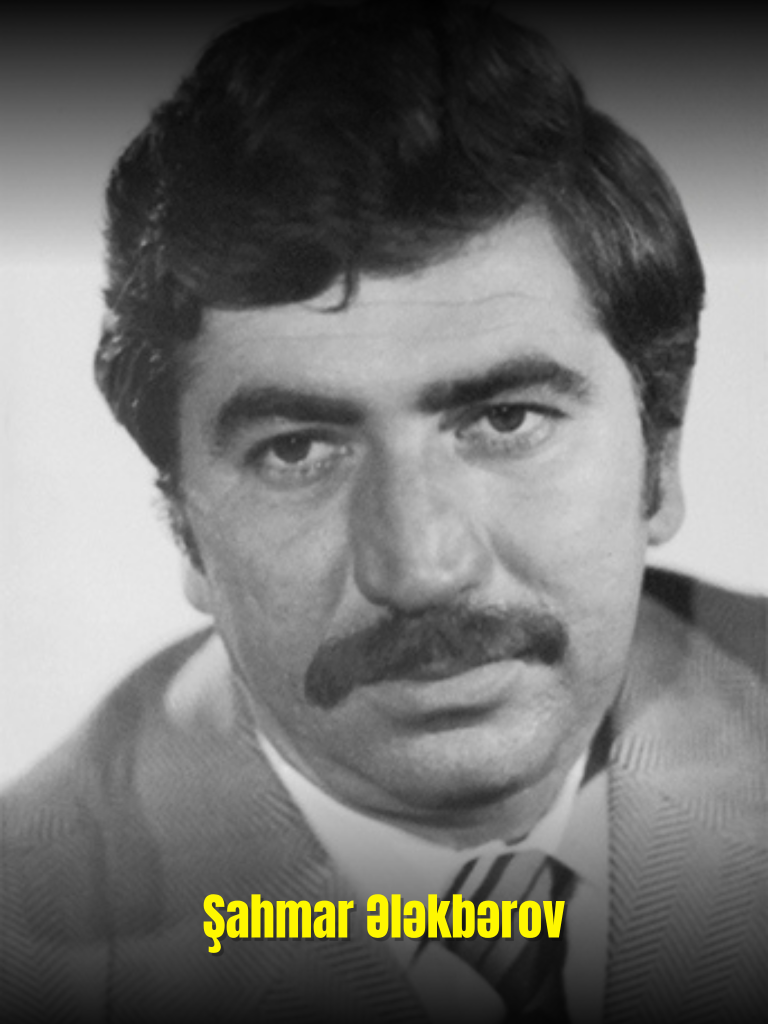
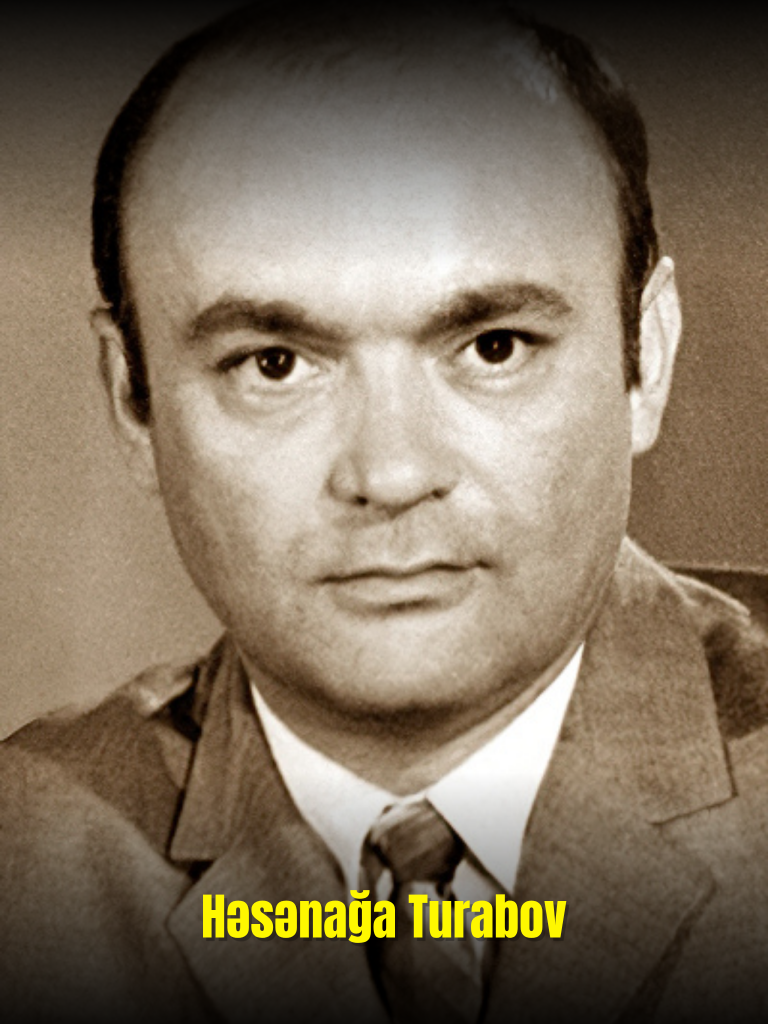
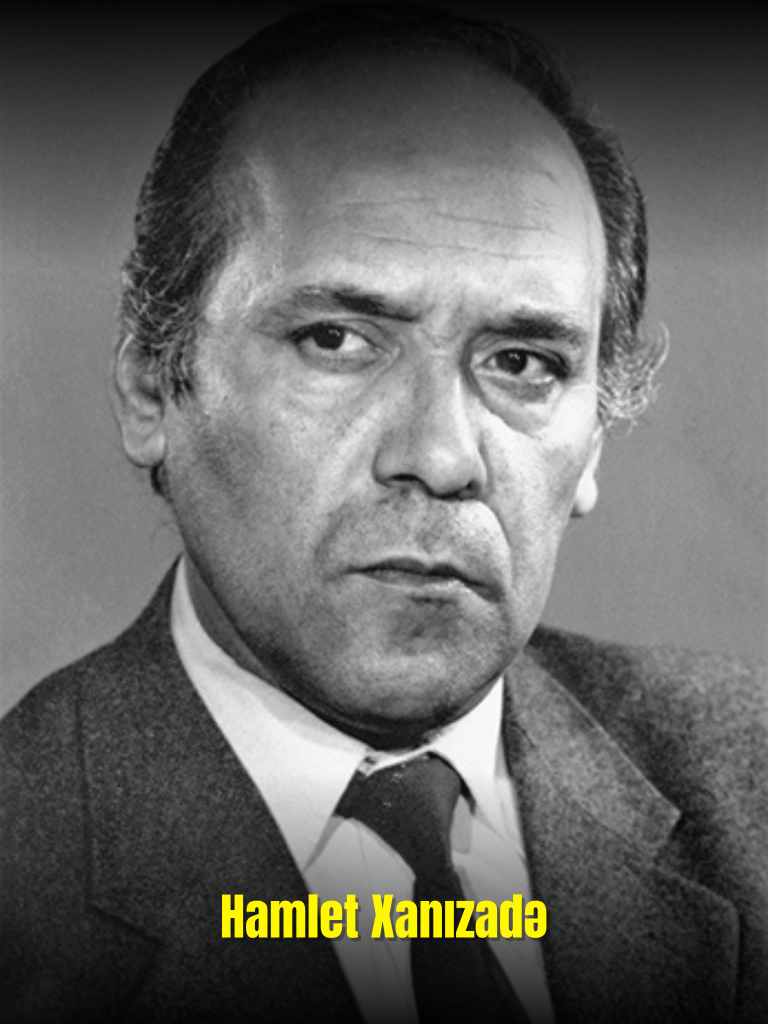
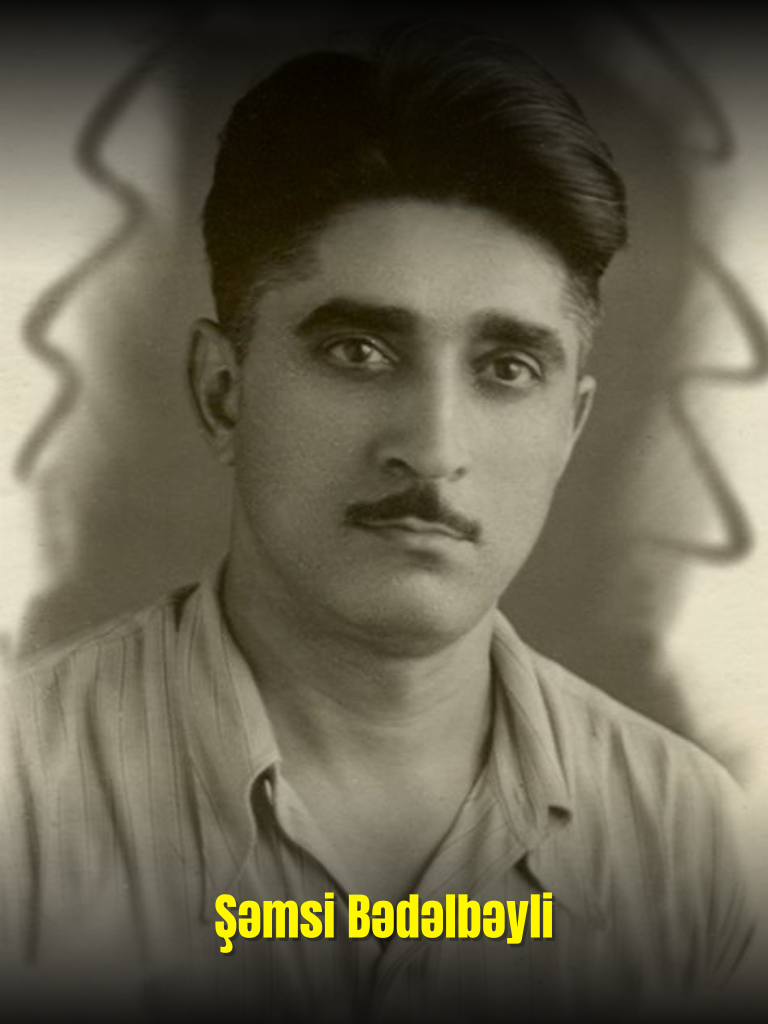
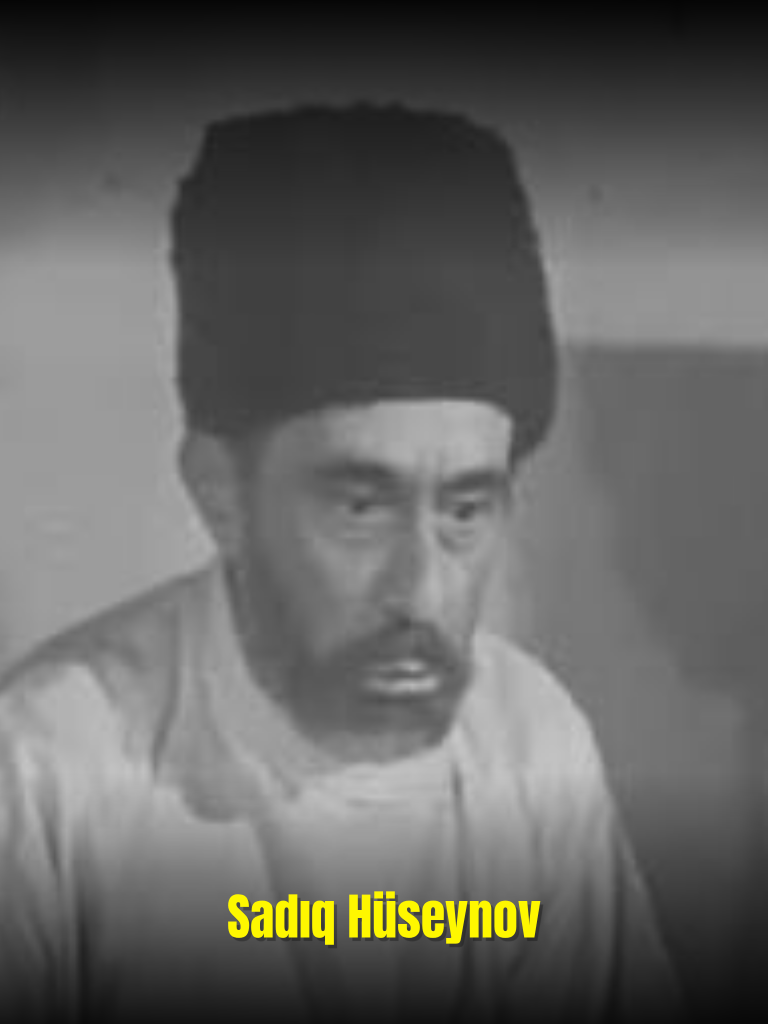
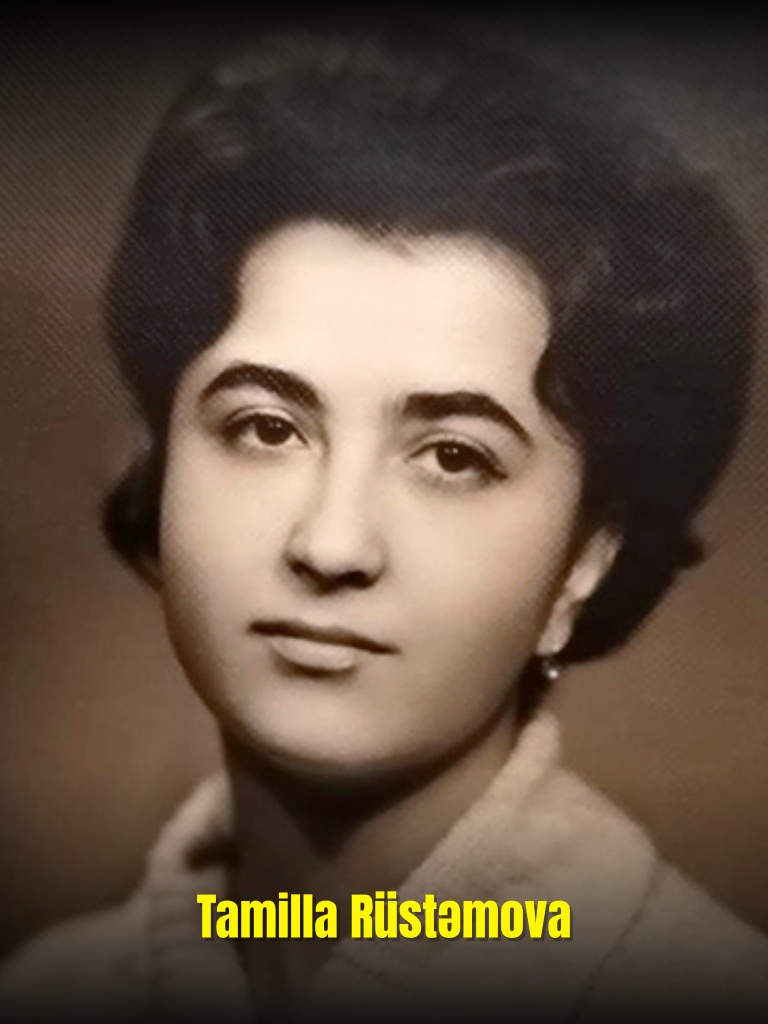
The composer of The Last Pass is Arif Məlikov. Some sources also state that he conducted the film’s score. Məlikov later turned the music into a standalone symphonic poem: The Last Pass sits in his list of symphonic poems alongside The Tale, Fuzuli, The Motherland and Metamorphoses.
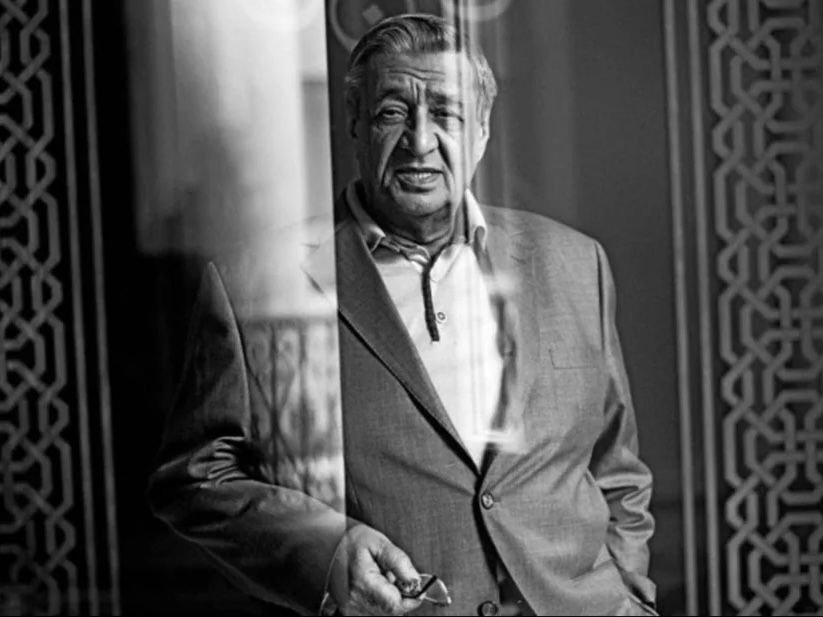
The village in the film was a set from start to finish — built in Qobustan, in the areas known as “The Great Stone” (Böyük daş), “The Small Stone” (Kiçik daş) and “The Gravel Stone” (Çınqıl daş). The graveyard was artificial too. “The Black Rock” (Qara qaya) seen in the film is in Qobustan. The grain search at Kərbəlayı’s house was shot on a studio soundstage. The weapons, though, were real — from the studio’s own armoury.
In the first version of the screenplay, the leading character was Bəylər, played by Əbdül Mahmudov. In that version the film opened with the brawl at Bəylər’s wedding. After four episodes had been shot, word reached Mahmudov from Moscow that he had been accepted onto the Higher Directing Courses, where he would study under Tarkovsky, Shukshin, Trauberg and Danelia. Mahmudov chose to go. The scenes written for him were redistributed: no one character inherited the lead, which now rested on the film’s three central figures, though most of Bəylər’s lines went to Şahmar Ələkbərov’s İman. Two or three new episodes were written for him. The four episodes already shot stayed in the film. The four episodes already shot stayed in the film. In the finished film, Mahmudov is dubbed by Ramiz Məlik.
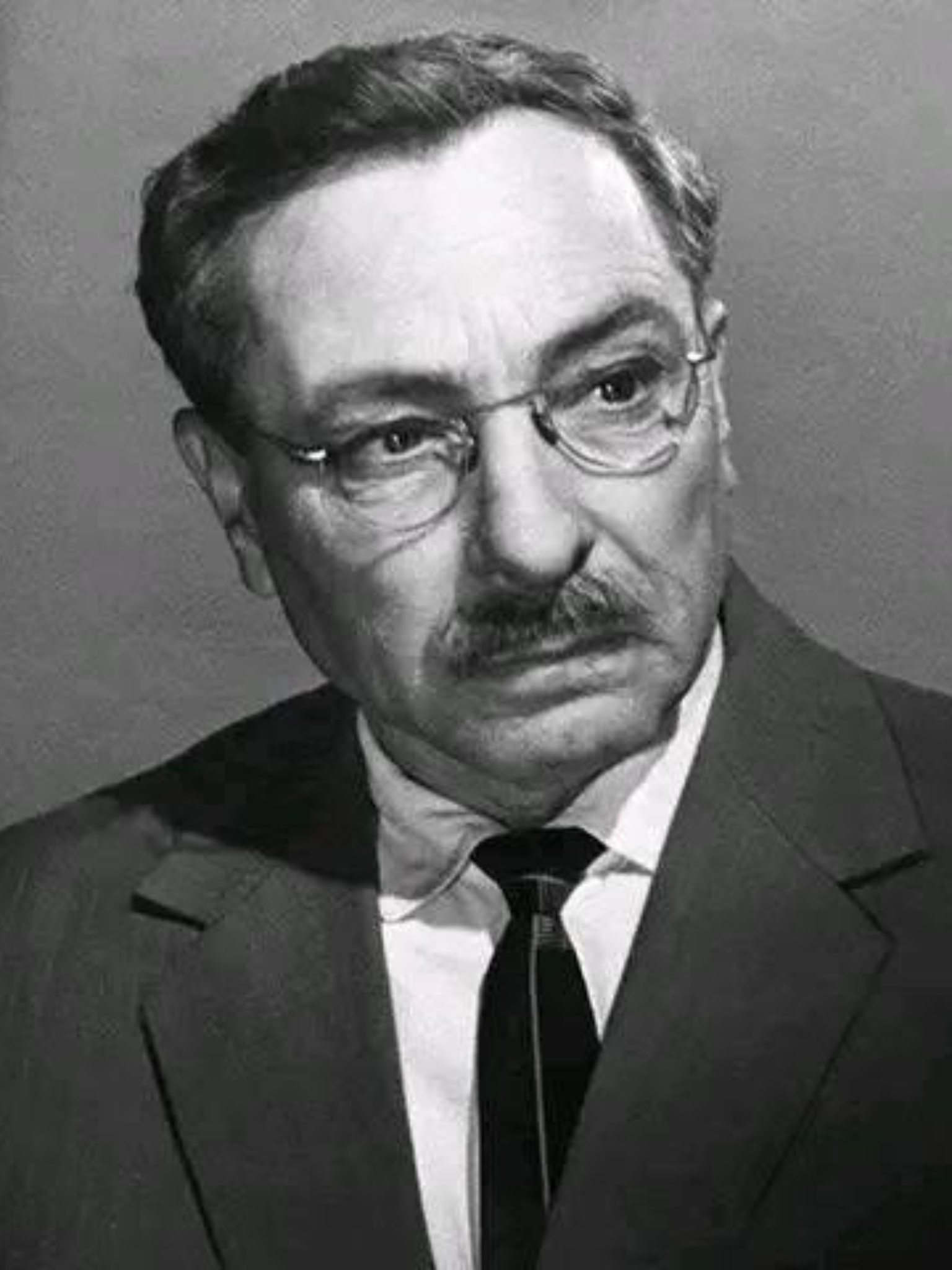
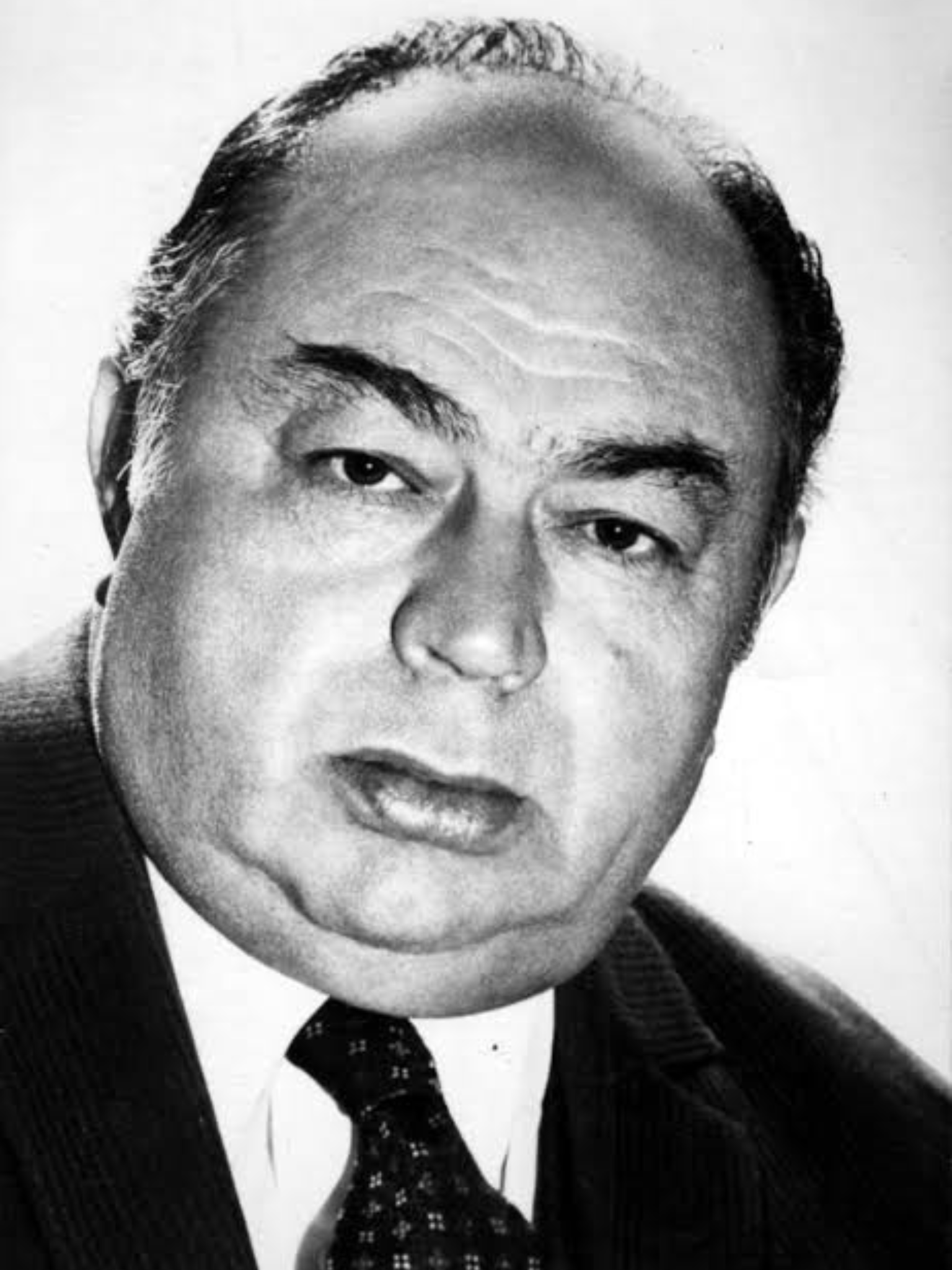
The most memorable of the film’s voice actors, however, is Yusif Vəliyev, who dubbed Adil İsgəndərov. In fact the dubbing was first offered to İsgəndərov himself, and he replied: “Are you making a comedy? Kərbəlayı can’t be done with my voice. Go and fetch Yusif Vəliyev, let him come and dub it” — and so he entrusted the character to Vəliyev.
At the time The Last Pass was being made, the two of them were not on speaking terms. According to Vəliyev’s wife, the actress Zemfira Sadıqova, they had once been good friends. What ended it was an incident at the studio İsgəndərov was in charge of: a man whose name she does not give behaved improperly towards her, and Vəliyev gave him a beating. After that the friendship broke down, and İsgəndərov gave instructions that he was not to be let in. Even so, İsgəndərov, who held the art above everything else, made the offer precisely because he believed Vəliyev would be a better voice for Kərbəlayı. Despite the estrangement, Vəliyev accepted. That inimitable voice of his, with a timbre that hits you like an electric shock, completed Kərbəlayı İsmayıl’s dramatic fate and inner strength perfectly.
Before shooting the scene in which Qəmlo slaps Bəylər, Mahmudov and Məlik Dadaşov agreed that the slap should be real, so that the scene would come out alive. Dadaşov struck him for real; Mahmudov’s head hit the window behind him, his lip split open, and the sachet placed in his mouth for the blood went down into his stomach. İsgəndərov panicked and lost his temper, while Mahmudov said, “let it come out alive.” The scar from that scene would stay at the corner of Mahmudov’s lip for the rest of his life.
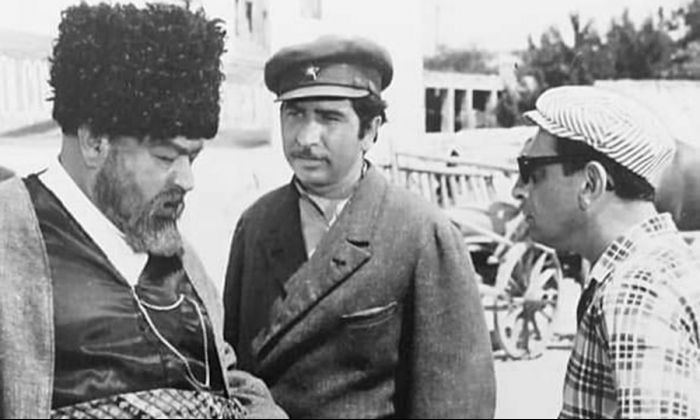
In the original cut, it is Kərbəlayı İsmayıl who kills Qəmlo because Qəmlo had gone against his word and killed his friend Abbasqulu bəy Şadlinski. The film thus ended by turning Kərbəlayı into a hero. But in those days it was unacceptable to portray someone who stood against the Soviets as a hero. Since that version could not pass the censors, the director Kamil Rüstəmbəyov had to alter the film. In the new version, Qəmlo is killed not by Kərbəlayı İsmayıl but by Xudayar’s brother. It was this version that was presented to the public. For all the re-editing, after Qəmlo’s death scene you can still hear one of Kərbəlayı İsmayıl’s men say, “Kərbəlayı has killed Qəmlo.” That scene, left uncut by the director, proves that in the film’s original version it was Kərbəlayı İsmayıl who killed Qəmlo.
The film is based on real events. Abbasqulu bəy Şadlinski, Kərbəlayı İsmayıl and Qəmlo were all people who actually lived. All three came from the Vedibasar district (today’s Ararat region in Armenia) — they knew one another well. There was even a time when they fought on the same side.
Abbasqulu bəy Şadlinski
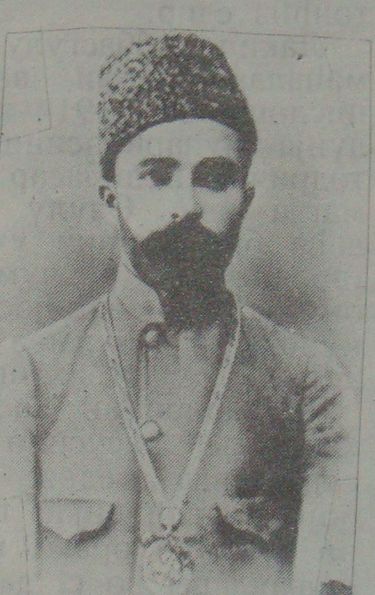
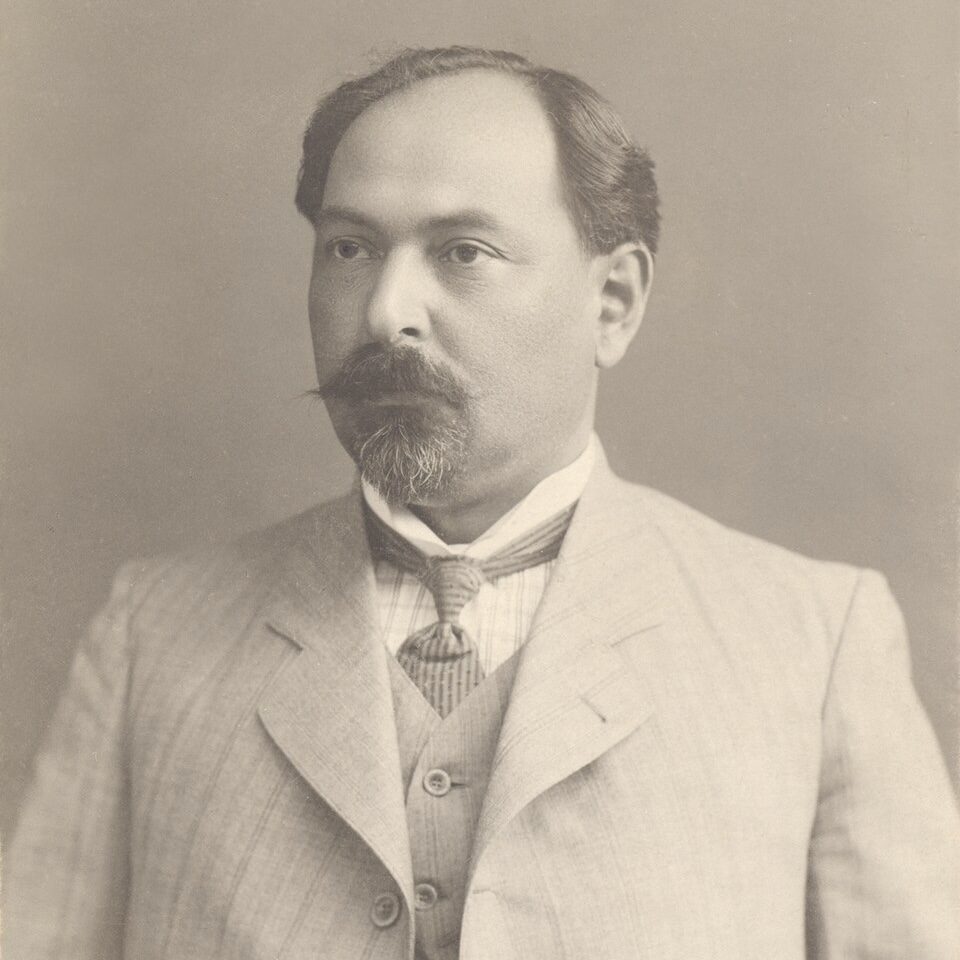
Abbasqulu bəy Şadlinski was born on 24 February 1886 in the village of Böyük Vedi. The son of Xanbaba bəy, he came from the Şadlinski line, whose roots go back to Aslan Sultan. His father died when he was a child; he attended a two-year Russo-Tatar school, worked as a mirab, and farmed the land.
In 1918 he formed a volunteer self-defence unit in Vedi against the Dashnak detachments — the unit that would later be known as the “Red Battalion”. Between 1918 and 1920 he led the defence of Vedibasar; when the regular Dashnak army gained the upper hand, he moved most of the population into Iranian territory, to Khoy and then Marand. In July 1920, after Soviet power was declared in Nakhchivan, he accepted Nariman Narimanov’s invitation and arrived there on 17 September with a detachment of two hundred men. He fought against Dro’s forces, and later in Zangezur and Daralayaz. Narimanov awarded him the “Golden Star”; he and eighteen other members of the battalion received the Armenian SSR’s Order of the Red Banner. He stood guard over the borders of Nakhchivan until the end of 1922. In 1930 he was killed in Vedi, in circumstances that remain unclear to this day.
Qəmlo
Born in the village of Hand in the Vedi district, Qəmlo’s real name was Qəmbərəli; his patronymic varies between sources (son of Əlirza, son of İsmayıl, sometimes with the surname Abbasov). Renowned across Western Azerbaijan for his fearlessness and his marksmanship, Qəmlo was one of the most combative members of Şadlinski’s own detachment. In 1918 they had fought the Dashnaks side by side. Their paths parted with the arrival of Bolshevik rule — Şadlinski took the side of the new order, while Qəmlo turned against it. For a while he even declared a “ceasefire” for Şadlinski’s sake. His brother Vəli was elected chairman of the village soviet in Hand.
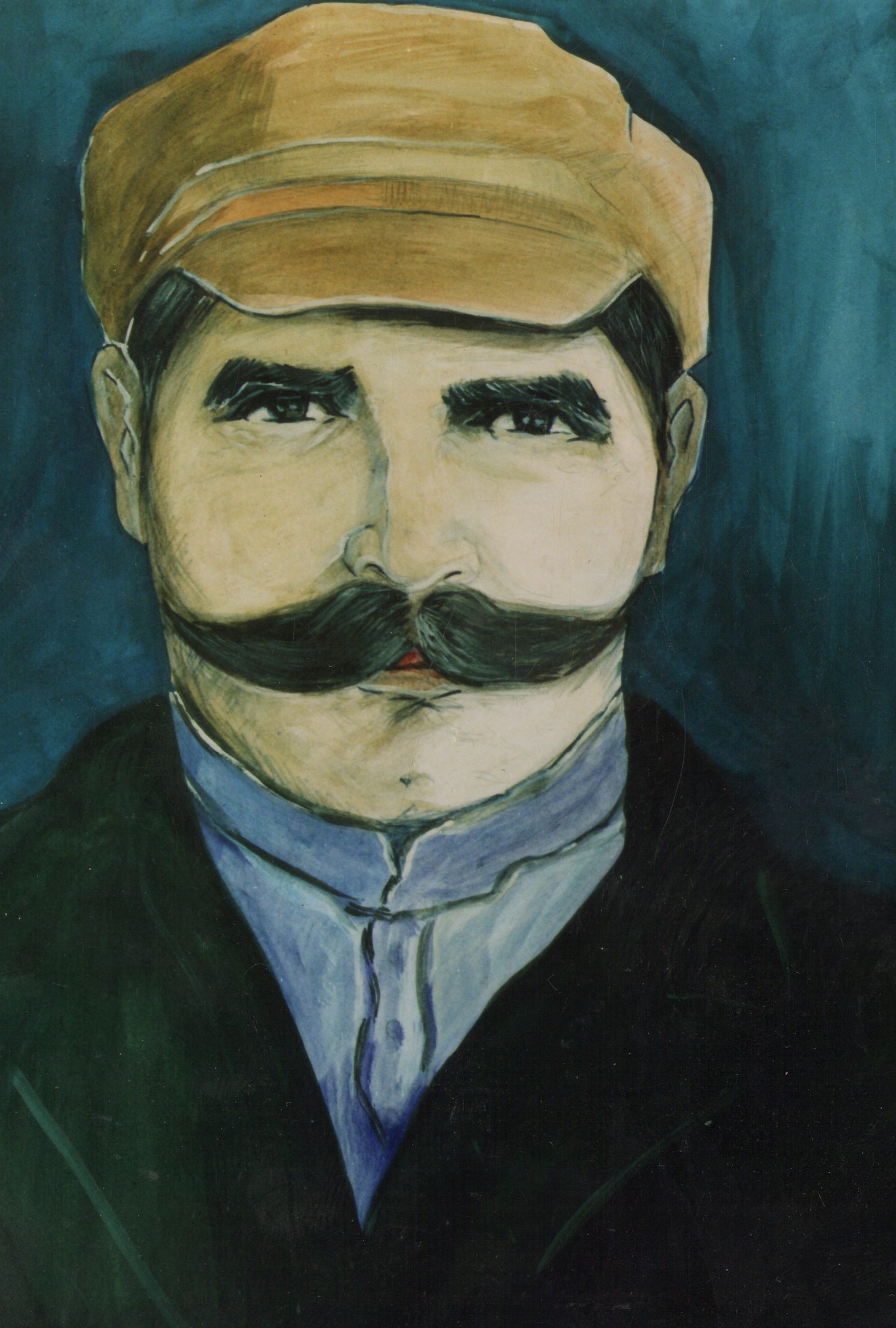
When collectivisation began, Qəmlo joined forces with Kərbəlayı İsmayıl; armed men from some seventy villages gathered around them, and sentry posts were set up along the roads. The defence of the pass leading to Qarabağlar was doubled — and that is where the titles of both the novel and the film come from.
There are several versions of how Qəmlo died, and none of them matches the one in the film. According to one of them, his kirvə invited him as a guest on the day of Eid al-Adha, the Feast of the Sacrifice, and Qəmlo, going somewhere unarmed for the first time, was killed at the table by eighteen men. A blood feud followed, and seventeen of those eighteen were killed. His family suffered exile and persecution; his brother Bilal died in exile.
Eyvaz İsmayılov, the son of İbrahim and a descendant of Qəmlo, says that around the time the novel was being written, Fərman Kərimzadə came to their house:
“My grandfather Mehdiqulu and I were out in the fields; they sent someone after us to call us back. We came and found Fərman müəllim sitting under the mulberry tree in our yard, with a representative from the district committee beside him. He talked with my grandfather about the book he was going to write. My grandmother took an interest too. She asked whether he would also write about Qəmlo’s fight against the Armenians. He said no, I can’t write about that. At that my grandmother said nothing at all about Qəmlo — she said there’s no point asking us anything now, go and write it as you see fit…”
Although the film presents Qəmlo as the man who killed Abbasqulu bəy Şadlinski, in reality there is nothing in the archives to support it. The exact cause of Şadlinski’s death is unknown, but different stories have come down to us from the accounts that circulate among the people. According to one of them, the Bolsheviks themselves had a hand in the killing, because they knew of Şadlinski’s friendship with Kərbəlayı and feared that he would protect his relatives. The striking detail in this version is that the body of the third man who set out with Şadlinski and Xəlil — the Bolshevik Talıbov — was never found. Some sources write that Talıbov was in fact an operative of the Armenian special services. In the memory of the people of Vedi, it is he who remains the killer.
Kərbəlayı İsmayıl
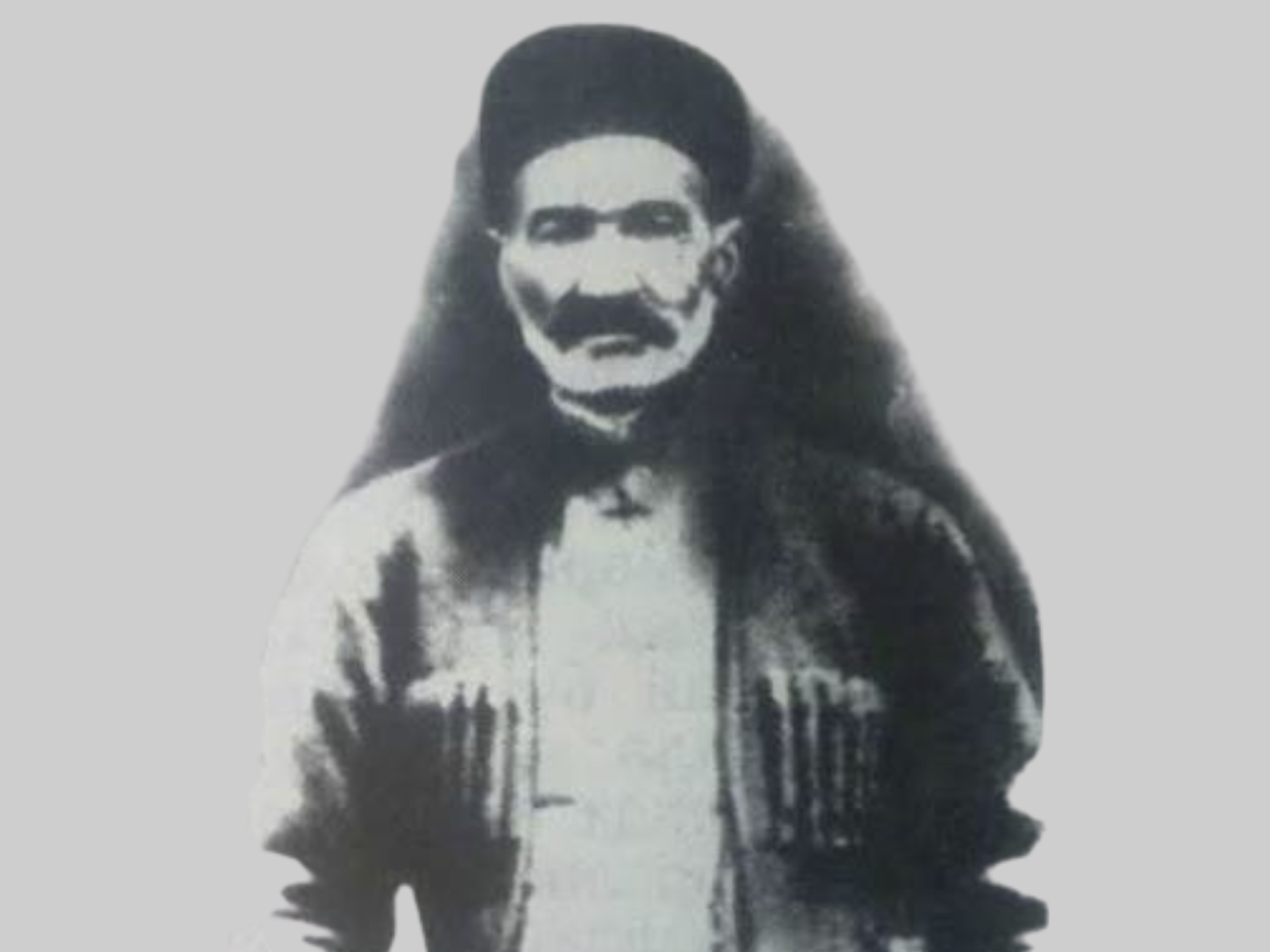
Kərbəlayı İsmayıl (1870–1948), the son of Məhərrəm, was born in the village of Çimən in Vedibasar. He was not the head of an armed band but a village elder and a capable manager of his own farm. When the self-defence units were formed in 1917 he was forty-eight or fifty; although Şadlinski carried the main burden, he played a decisive role in defending the mountain villages.
After Soviet power was established he returned from emigration and set about a peaceful life. The persecution began in 1927, and in 1929 he was declared a “right deviationist” and stripped of his right to vote. He opposed collectivisation fiercely. After Şadlinski’s death, seeing that the struggle was pointless, he crossed the border by night with his sons and his supporters — arriving in 1931 at the village of Daşburun near Iğdır. His wife Səkinə, his son Həsən and several relatives were seized at the Əyricə summer pasture and thrown into the prison at Kəvər.
In Turkey he took the name of the village of his birth as a surname — Çimənli. He died in Daşburun in 1948, at the age of seventy-eight. His last wish: that his grave be dug by the side of the road, so that he might sense the footsteps of those coming from Vedibasar. He had six sons and a daughter. One of the sons, Yadulla, was killed in a blood feud while he was engaged to be married.
In his novel, Fərman Kərimzadə writes that Yadulla’s body was not handed over to Kərbəlayı, that Şadlinski stepped in and recovered the boy’s body and gave it to his father, and that because of this Kərbəlayı felt himself in Şadlinski’s debt for the rest of his life. This is not merely a detail in the novel; it circulates in local accounts as well, and the interesting thing is that the episode is tied to one of the versions of Şadlinski’s own death: some say Abbasqulu was killed neither by Qəmlo nor by Talıbov. He was killed by Bəhlul of Dəhnaz — precisely because he had involved himself in the matter of returning Yadulla’s body, that is, as a blood feud taken up by the other side. But there is nothing about any of this in the archival record.
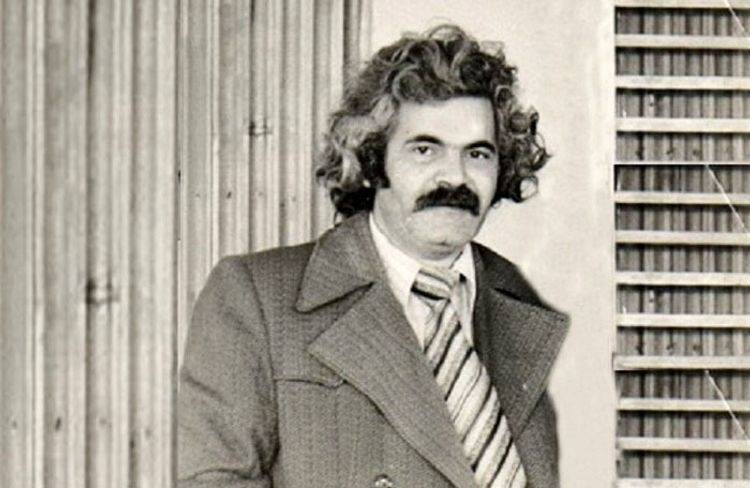
After the protests, Məlik Dadaşov, who played Qəmlo, defended the character. In the newspaper Ədəbiyyat və İncəsənət, he objected to reading Qəmlo’s caution in Kərbəlayı’s presence as submissiveness: this, he said, is a natural instinct, it is self-preservation, and as for who depends on whom, that needs looking into carefully.
After the screening, the crew travelled to Daşburun, where Kərbəlayı’s grave lies, and met the relatives of both Qəmlo and Kərbəlayı. Once they had seen the film, a quarrel broke out between the two sides — and it was the crew itself that settled it.
Because all of this took place in the Soviet period, sources with information about these events are hard to come by. The other thing that was hard in that period was making your voice heard. The family members of Qəmlo and Kərbəlayı, who for years had wanted to tell their own story, were only able to do so thirty years later, after Azerbaijan became independent. The version held by the descendants of Qəmlo and Kərbəlayı, the interviews with grandchildren and great-grandchildren, the alternative explanations of Şadlinski’s killing — all of it finally reached the public. Kərimzadə, a fellow countryman of the film’s three central figures, died in 1989 and so saw neither Azerbaijan’s independence nor this debate.
In 1972, at the Fifth All-Union Film Festival in Tbilisi, the actor Adil İsgəndərov received the second prize for “Best Male Portrayal” and the actor Həsən Məmmədov received the prize for “Best Male Role”. It was the first time Azerbaijanfilm had been given two such prizes for a single film. Məlik Dadaşov had not been put on the list — reportedly on the logic that an enemy of the Soviets could not receive a Soviet prize. İsgəndərov handed his own prize to Dadaşov right there on the stage, saying: “He created a better image of a man than I did.” At the time, Dadaşov and İsgəndərov were not on speaking terms.
Rüstəmbəyov, who made what may be the finest film in the history of Azerbaijani cinema, would go on to make On the Wings of Song (Mahnı Qanadlarında, 1973), The Dervish Blows Up Paris (Dərviş Parisi Partladır, 1976) and, in the mid-1980s, Wait for Me (Gözlə Məni). Across two decades at the studio he never managed to make another independent, large-scale feature after The Last Pass — one television film-concert, one co-directed production, and one final film. He spent the last six years of his life all but out of work, and died on 2 February 1991, at the age of sixty-six.